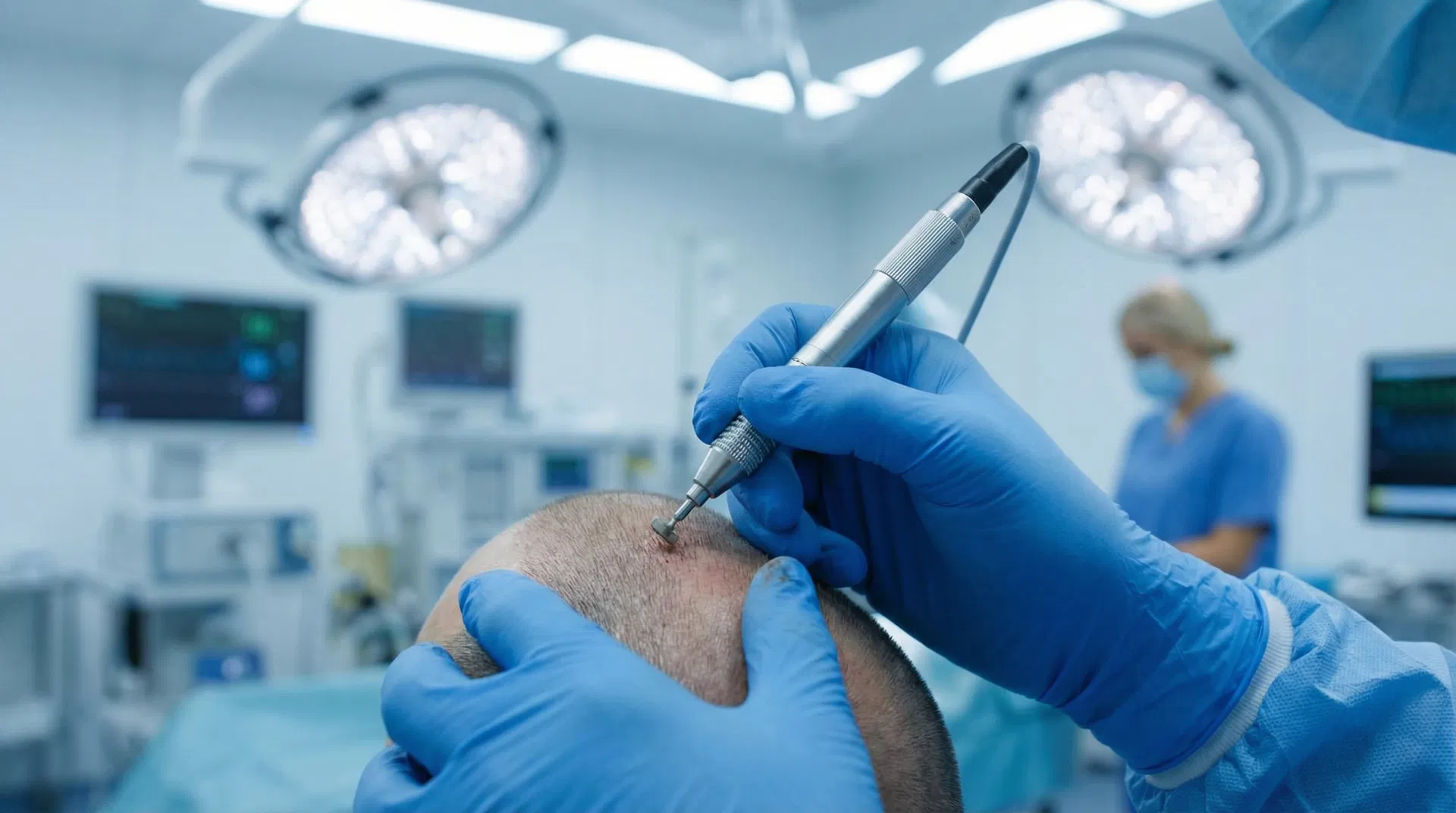
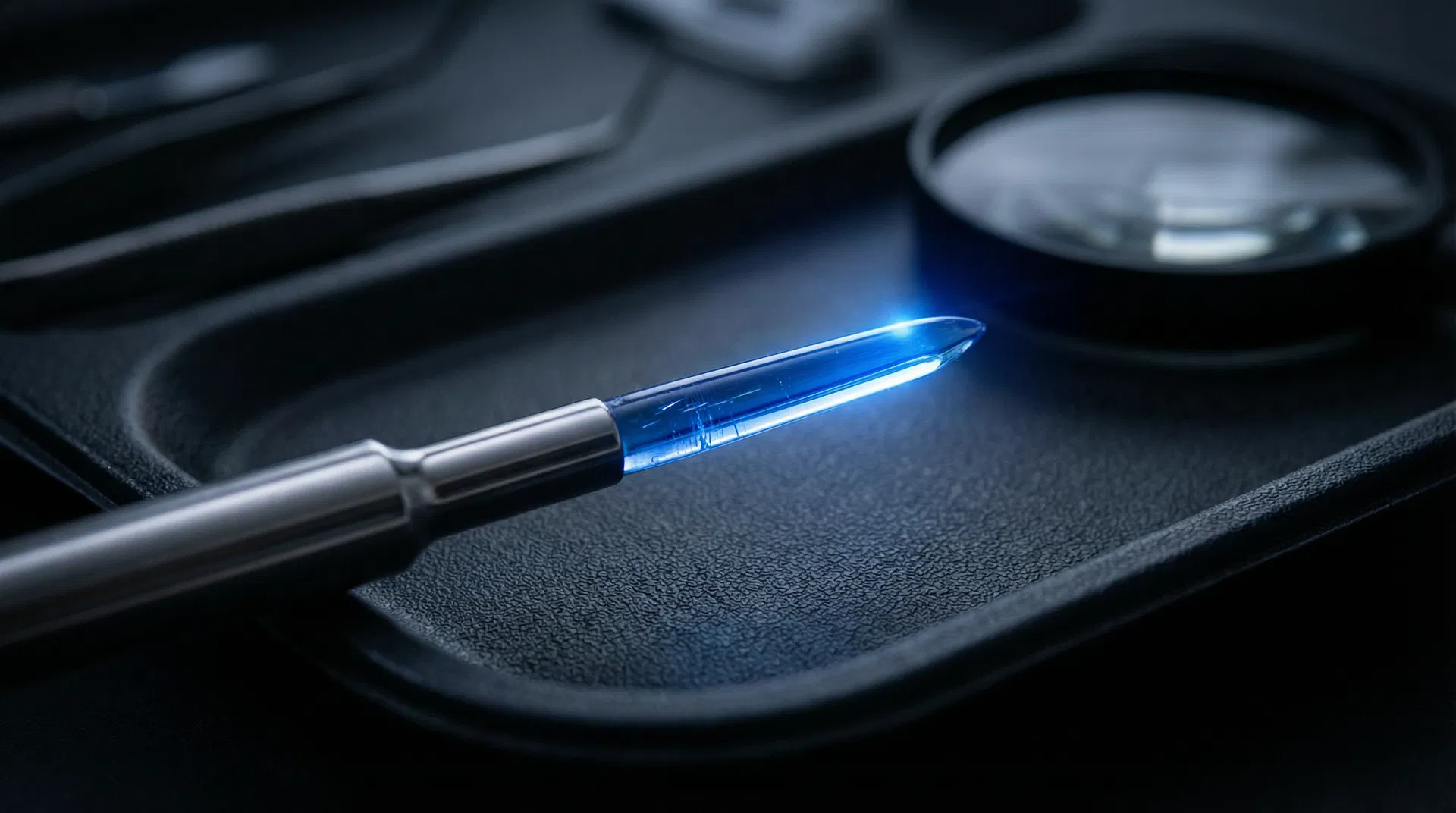
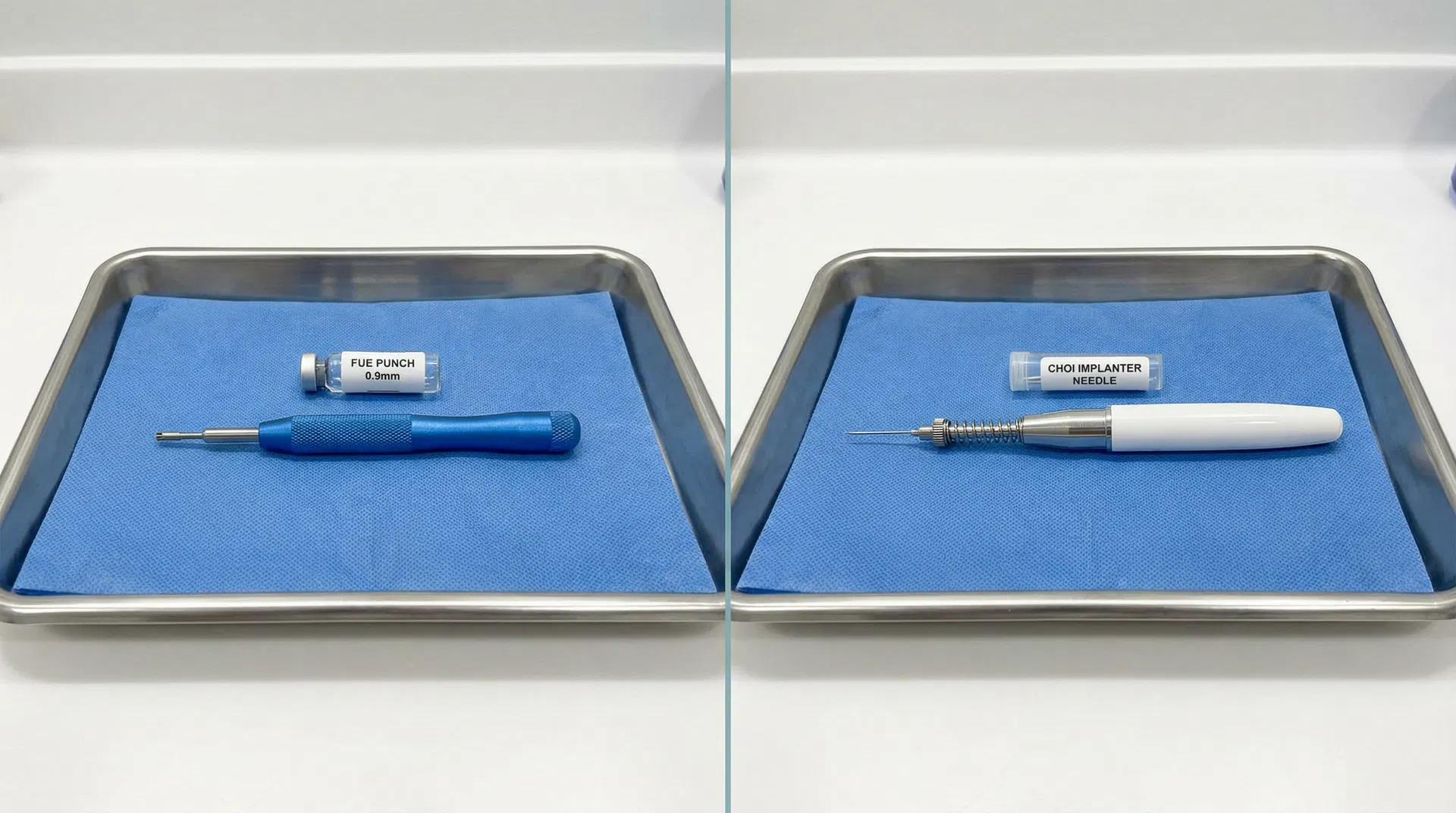
While both DHI and FUE are excellent hair transplant techniques, they differ significantly in their implantation process. The extraction of hair follicles is identical in both methods, using a micro-punch to remove individual grafts from the donor area. However, the implantation phase is where the two techniques diverge. In a standard FUE procedure, the surgeon first creates all the recipient sites (channels) in the scalp using a small blade. Then, the grafts are manually placed into these pre-made channels. With DHI, the Choi pen creates the channel and implants the graft simultaneously. This reduces the time the grafts spend outside the body, which may contribute to a higher survival rate.
Another key difference is the need for shaving. While most FUE procedures require the donor area to be fully shaved,
DHI can often be performed with minimal or no shaving, making it a more discreet option for some patients. In terms of density, DHI may offer a slight advantage as the Choi pen allows for grafts to be placed closer together. However, it's important to note that DHI procedures generally take longer and can be more expensive than FUE. Ultimately, the choice between DHI and FUE often comes down to the patient's specific needs, the surgeon's recommendation, and the desired outcome. For a more in-depth comparison, you can read our
detailed guide on FUE vs. DHI.
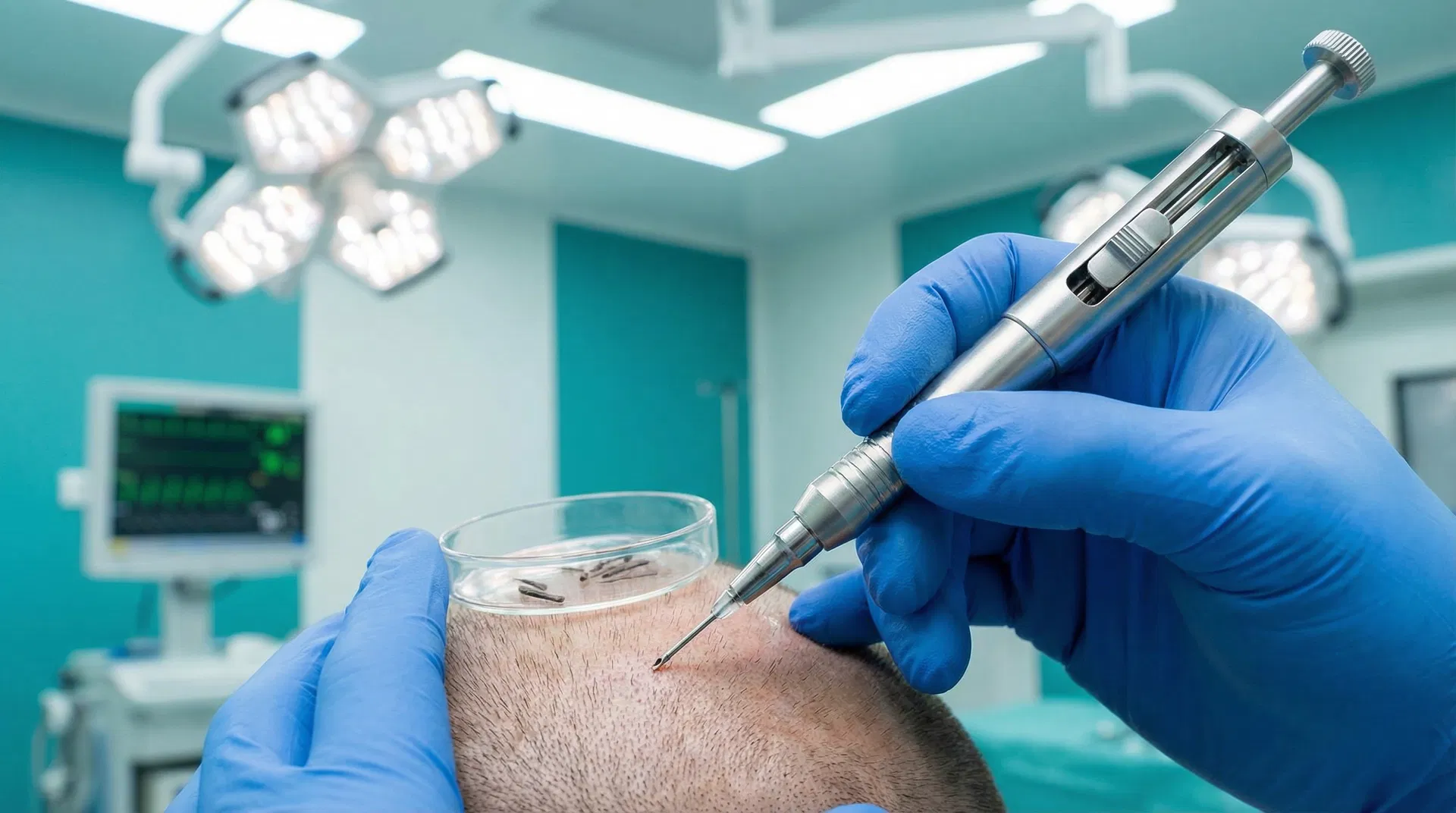
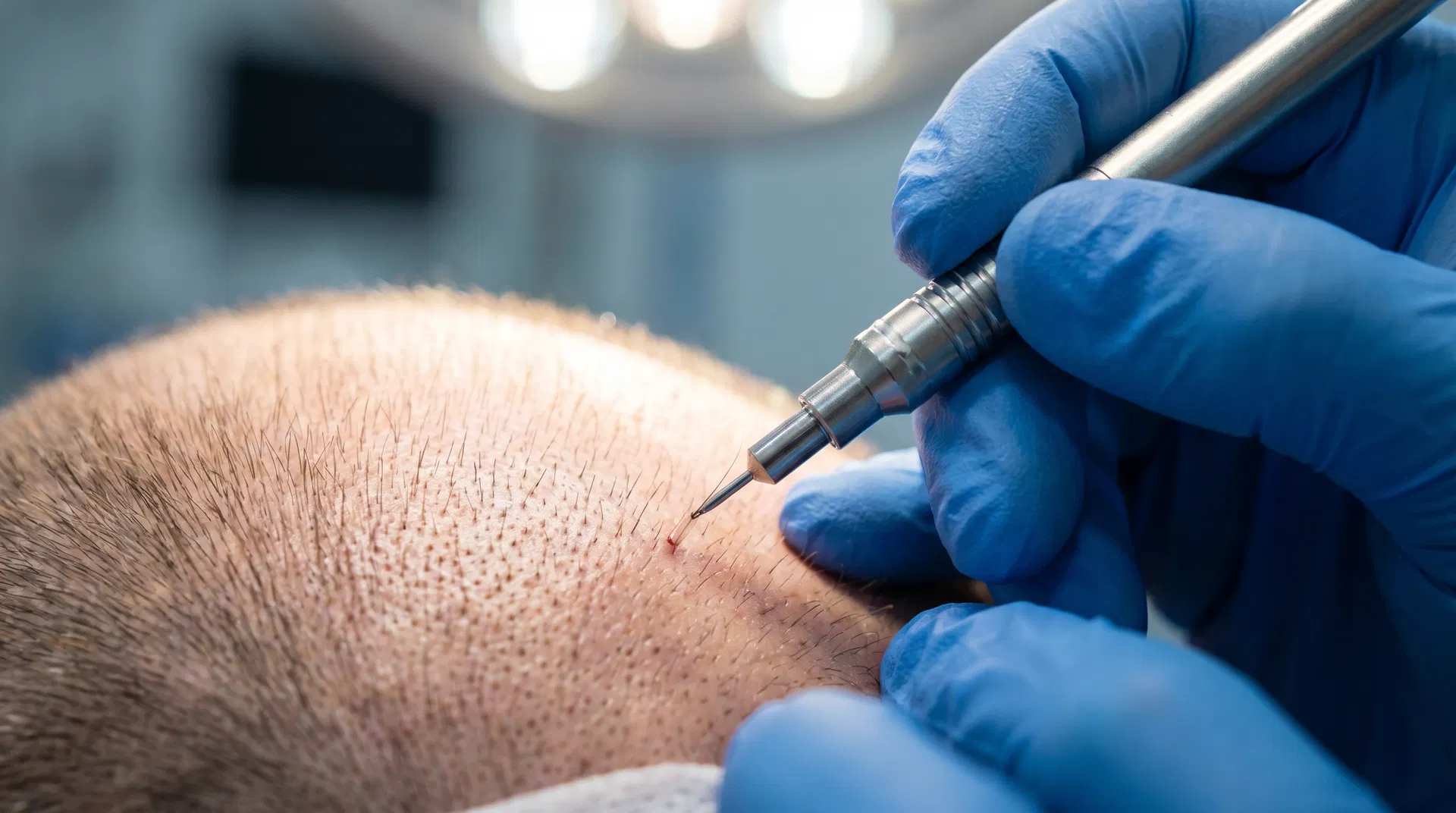 Direct Hair Implantation (DHI) is one of the most advanced and precise methods of hair restoration available today. It represents a significant evolution from the traditional FUE technique. The key difference lies in the tool used for implantation: the Choi Implanter Pen. This specialized instrument allows for the entire process of creating a recipient site and implanting the hair follicle to be completed in a single, swift motion. The Choi pen is a pen-like device with a hollow needle at the tip, which is where the individual hair graft is loaded. The surgeon then uses the pen to implant the graft directly into the scalp at a specific angle, depth, and direction. This meticulous control is what gives DHI its reputation for producing natural-looking and dense results.
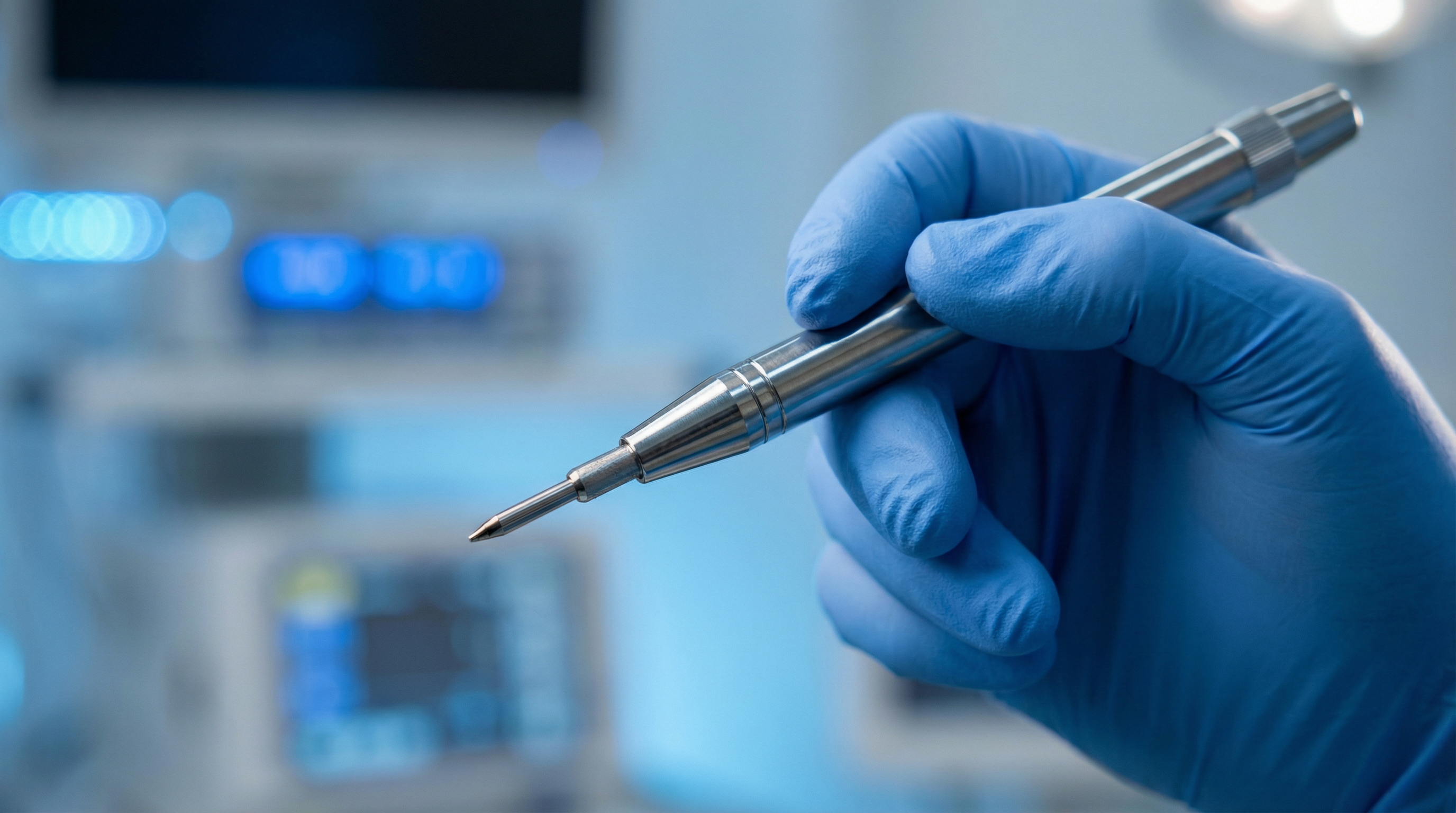 DHI is particularly well-suited for patients with specific goals. For instance, individuals seeking to restore their hairline or add density to thinning areas often benefit from the precision of the Choi pen. It is also a popular choice for those who prefer not to shave their entire head for the procedure, as the pen can be used to implant grafts between existing hairs. Curious whether DHI is the right fit for your hair type?
 The timeline for hair growth after a DHI procedure is the same as with other methods. Patients can expect to experience some initial shedding, known as "shock loss," within the first two to four weeks. New hair growth typically begins around the three to four-month mark, with more noticeable results appearing between six and eight months. The final, full results of the hair transplant will be visible after 12 to 18 months, once the new hairs have had time to mature and thicken.
Questions about DHI Hair Transplants? Contact our team today for a FREE consultation!
The timeline for hair growth after a DHI procedure is the same as with other methods. Patients can expect to experience some initial shedding, known as "shock loss," within the first two to four weeks. New hair growth typically begins around the three to four-month mark, with more noticeable results appearing between six and eight months. The final, full results of the hair transplant will be visible after 12 to 18 months, once the new hairs have had time to mature and thicken.
Questions about DHI Hair Transplants? Contact our team today for a FREE consultation! For many individuals considering a hair transplant, Turkey has become a leading destination due to its combination of high-quality clinics and affordable prices. The
  For patients who need extensive coverage, such as 3,000 or more grafts, some surgeons may recommend a hybrid approach. This involves using DHI for the delicate work of creating a natural-looking hairline and FUE for filling in larger areas like the crown. This strategy combines the precision of DHI where it is most needed with the efficiency of FUE for broader coverage, offering a balanced solution in terms of both cost and results.