Loading...
Safety First
Are Turkey Hair Transplants Safe?
An honest look at the potential risks of hair transplant surgery in Turkey, how to minimise them, and what makes a safe clinic. We believe informed patients make better decisions.
<1%
Infection rate at accredited clinics with experienced surgeons
90%+
Graft survival rate at top clinics
600K+
Hair transplant procedures performed annually in Turkey
The Honest Truth About Safety
Hair transplant surgery in Turkey is generally very safe when performed at an accredited clinic by an experienced surgeon. Turkey has become the world's leading destination for hair restoration precisely because its top clinics deliver excellent results at a fraction of North American prices — which is why thousands of Canadians travel there every year.
However, like any surgical procedure, there are risks — and the sheer number of clinics in Turkey (over 500 in Istanbul alone) means quality varies significantly. For Canadian patients doing their research, the key to a safe, successful outcome is choosing the right clinic and surgeon, and being well-informed about what to expect.
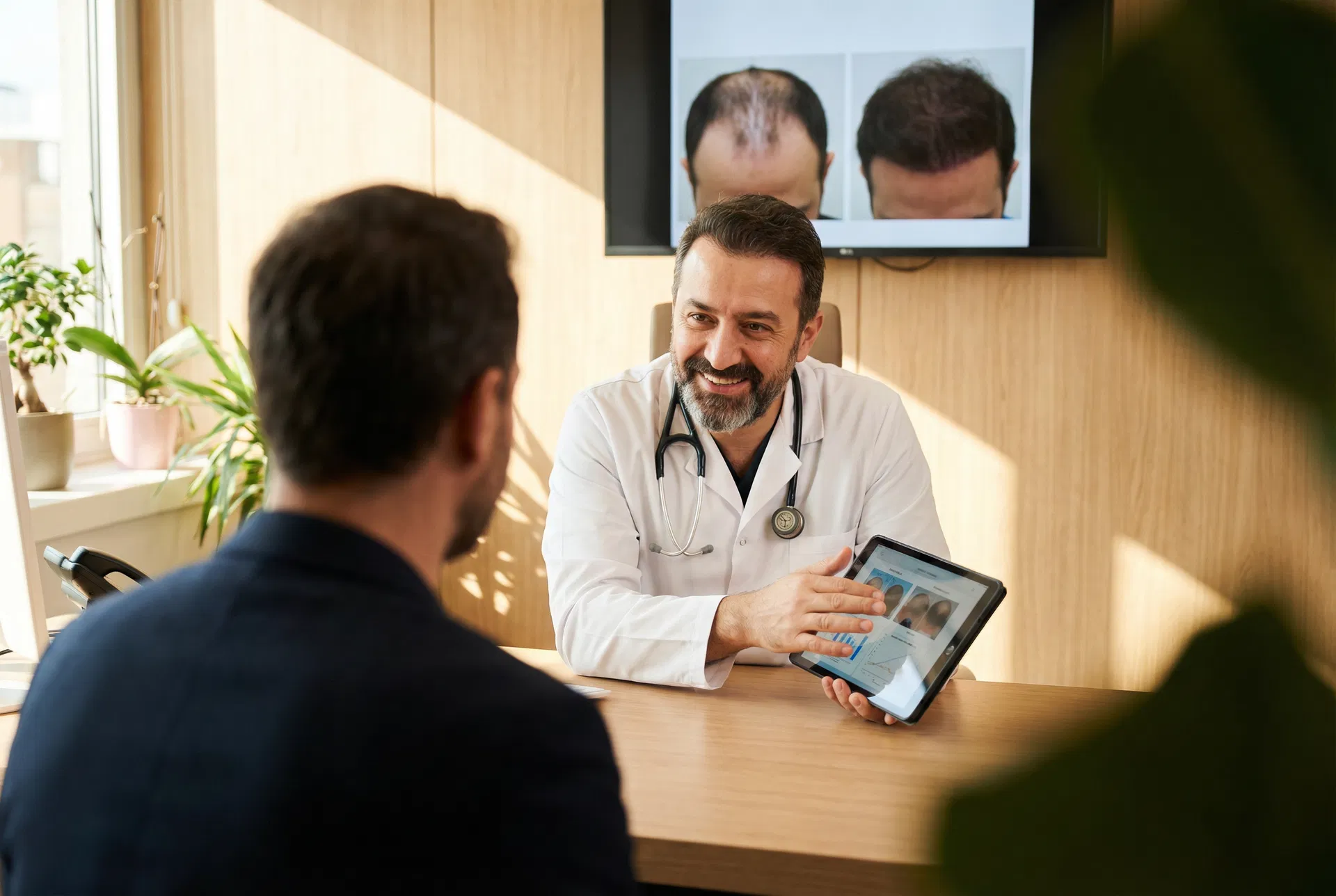
Low Risk
When performed at accredited clinics with experienced surgeons
Do Your Research
Quality varies — not all clinics are equal, so choose carefully
Be Informed
Understanding the risks helps you ask the right questions
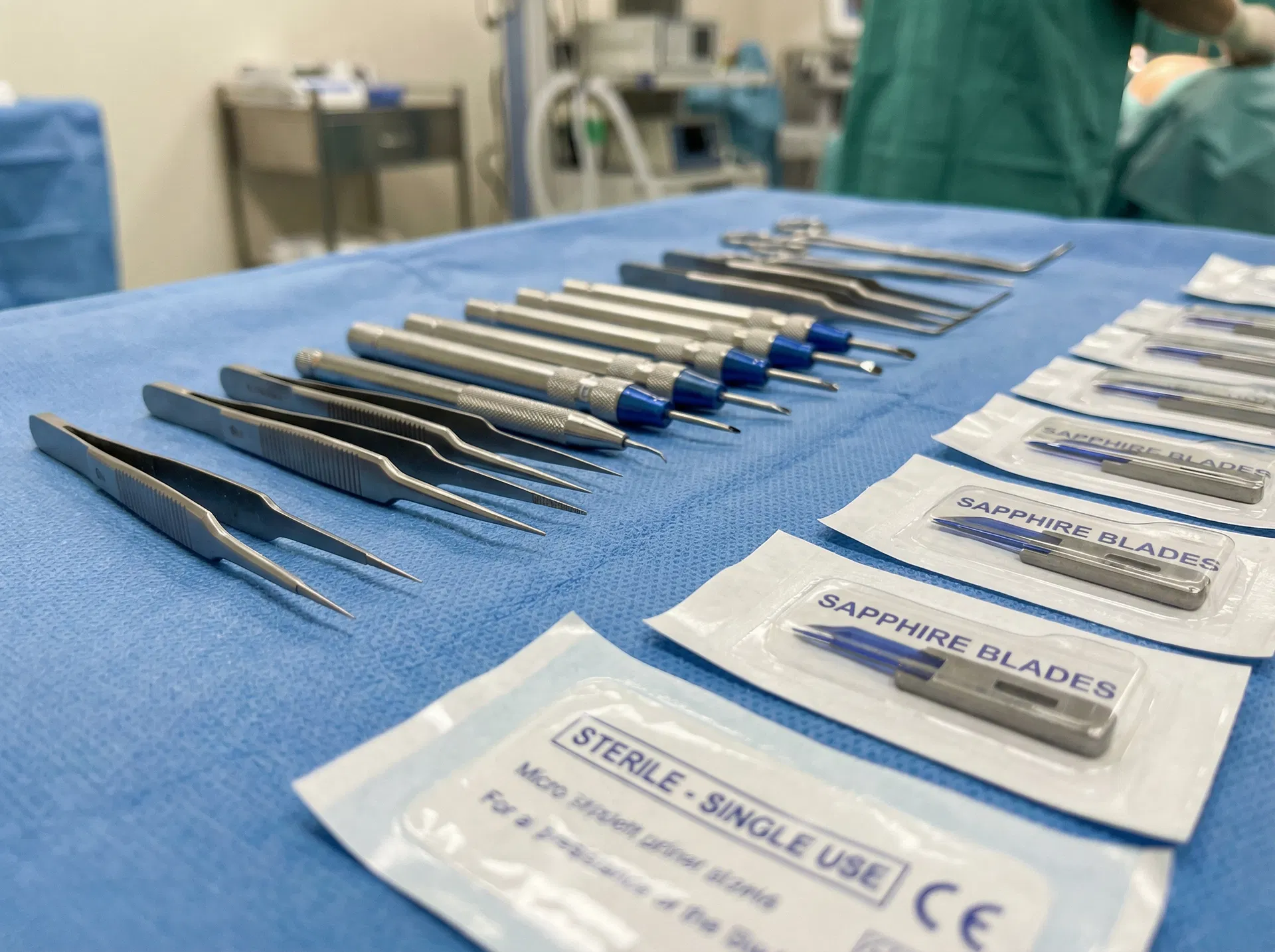
Hospital-Grade Standards
Top Turkish clinics use single-use sapphire blades, sterile instruments, and dedicated operating theatres that meet international standards.
Potential Risks & Side Effects
Every surgical procedure carries some risk. Tap any card to see our tip for managing it.
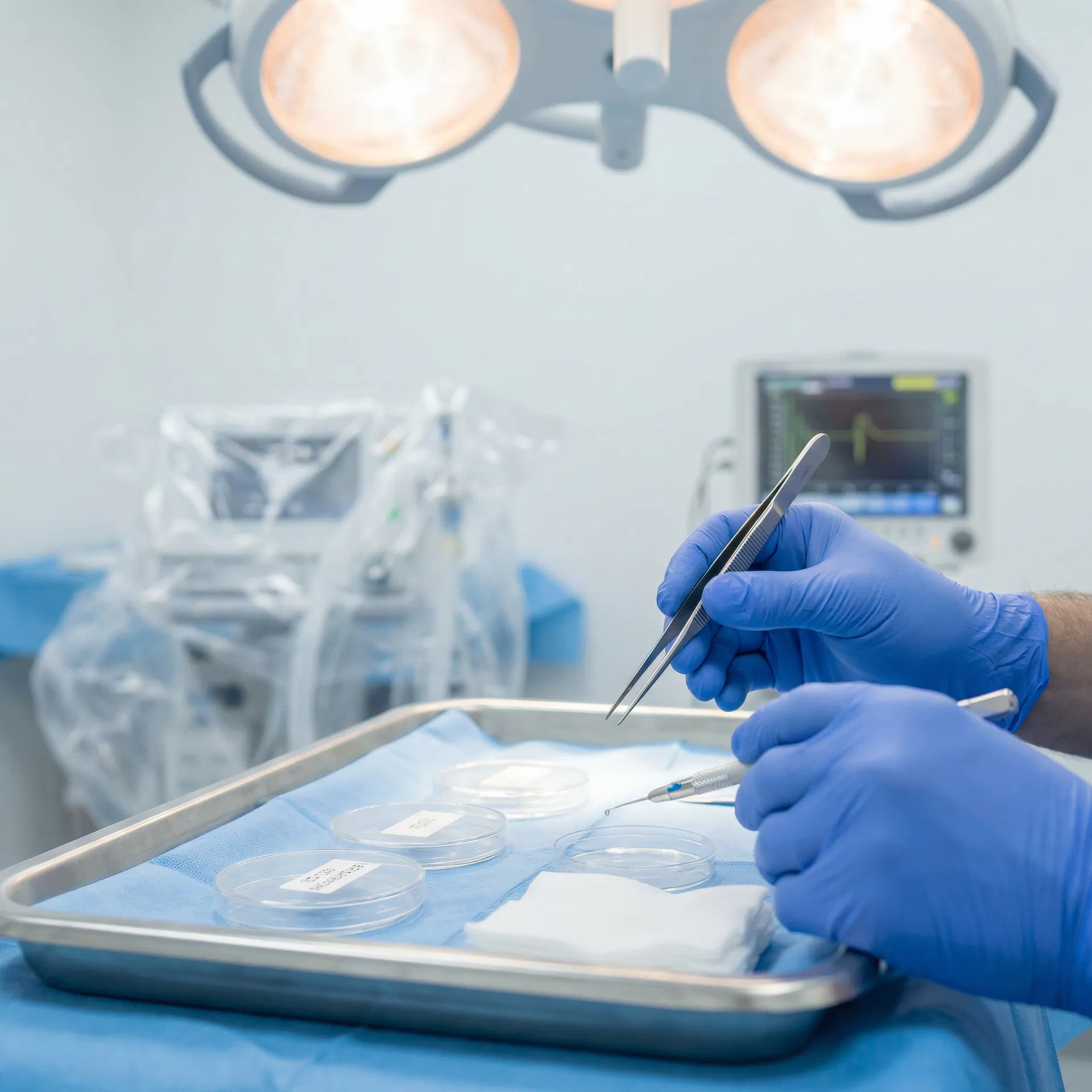
Infection
Very RareWith proper sterilisation protocols and post-operative antibiotics, infection risk is low — less than 1% at accredited clinics with experienced surgeons. Reputable Turkish clinics maintain hospital-grade hygiene standards, with dedicated sterile operating theatres and single-use instruments. Your clinic should provide a course of antibiotics as part of your aftercare package.
Ask your clinic about their sterilisation protocols before booking.
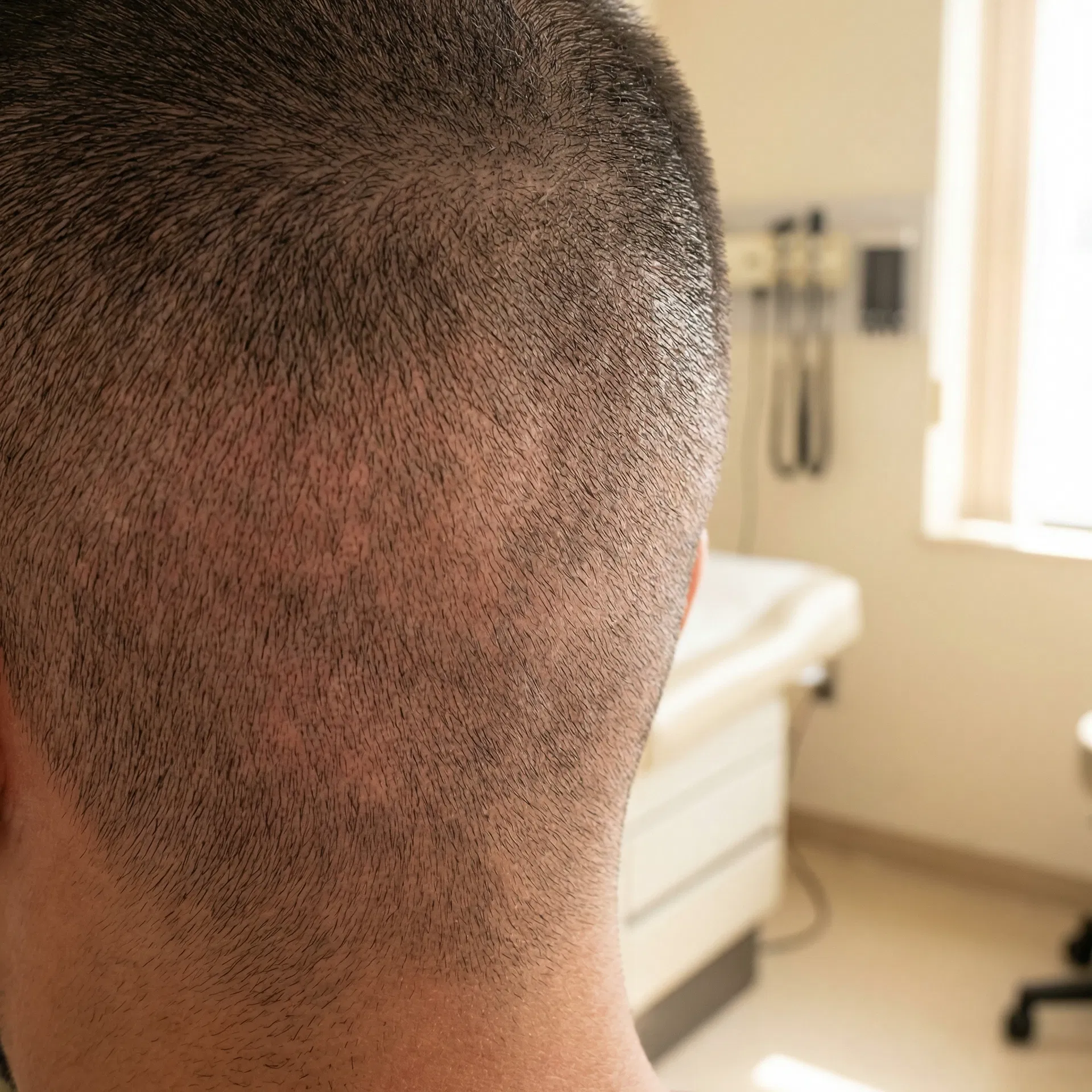
Scarring
Minimal with FUE/DHIModern FUE and DHI techniques leave only tiny, nearly invisible dot scars in the donor area. These are virtually undetectable once the hair grows back, even with a short haircut. The older FUT (strip) method leaves a linear scar, which is why most reputable Turkish clinics no longer offer it. If a clinic suggests FUT, consider it a potential red flag.
FUE and DHI are the gold standard — avoid clinics that only offer FUT.
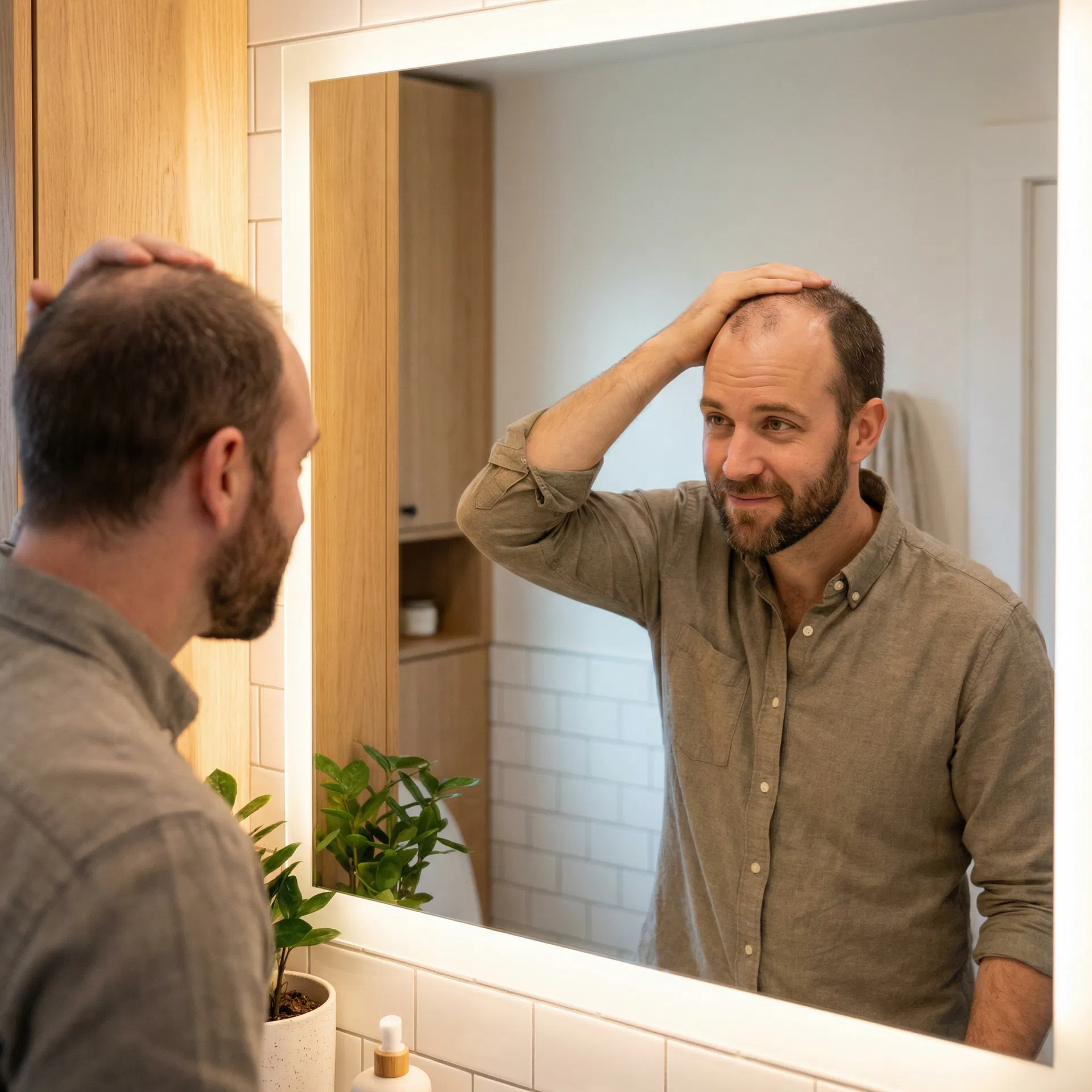
Shock Loss
Common but TemporaryExisting hair around the transplant area may temporarily fall out 2 to 6 weeks after surgery due to the trauma of the procedure. This is completely normal and expected — it happens to most patients. The hair grows back within 3 to 6 months as the follicles enter a new growth cycle. Your clinic should warn you about this in advance so you're not alarmed.
Don't panic if hair falls out after surgery — it's part of the normal healing process.
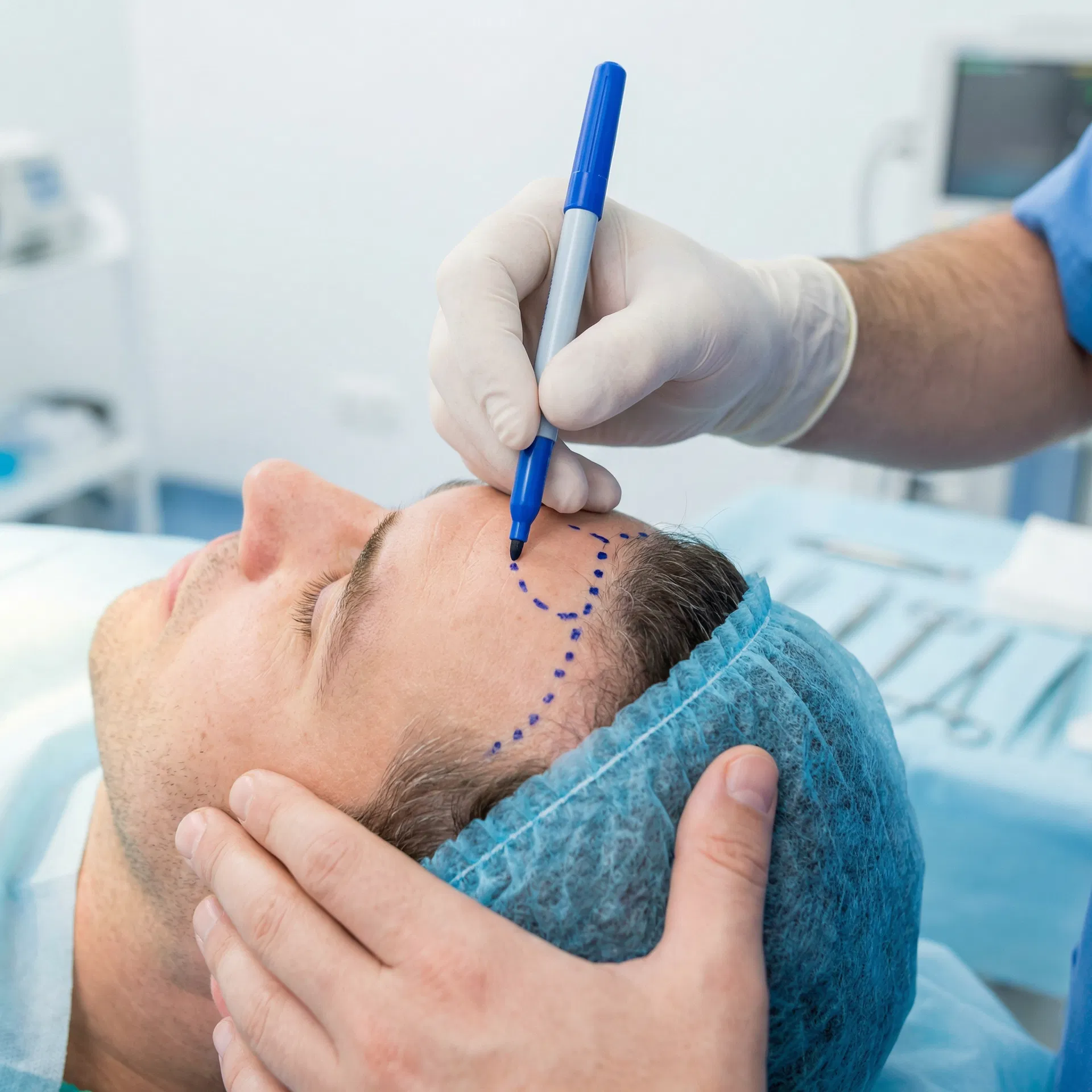
Unnatural Results
AvoidablePoor hairline design, incorrect graft angles, or overly dense packing can lead to unnatural-looking results. This is the most important reason to choose an experienced surgeon — hair transplantation is as much art as science. The surgeon should personally design your hairline during the consultation, taking into account your facial structure, age, and future hair loss pattern.
Always ask to see the surgeon's before-and-after portfolio — not just the clinic's.
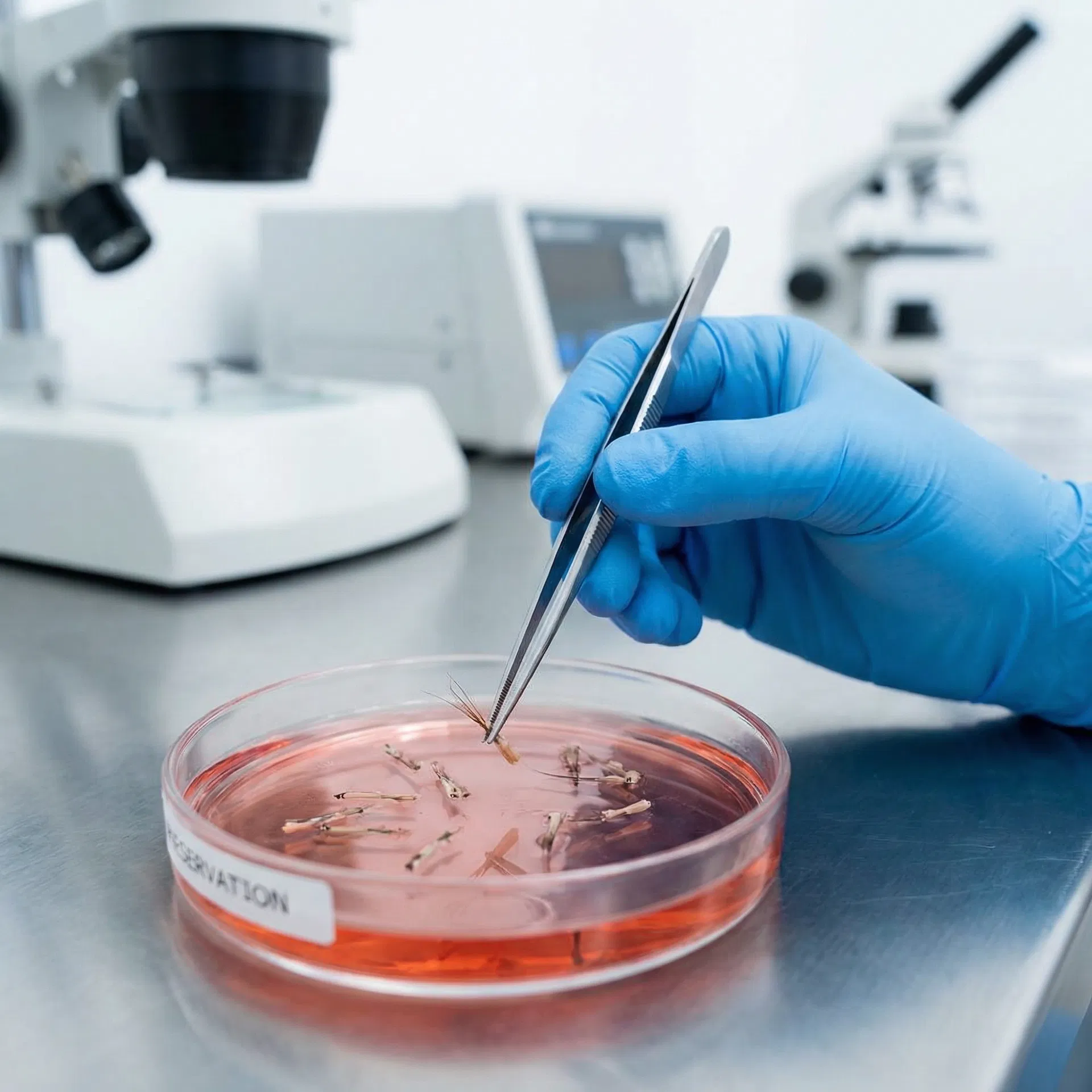
Poor Graft Survival
Rare at Good ClinicsIf grafts are handled improperly, left outside the body too long, or implanted at incorrect angles, survival rates drop significantly. Top clinics often maintain 90%+ graft survival rates through careful extraction, proper storage solutions (such as hypothermosol), and skilled implantation techniques. The surgeon's team and their protocols matter as much as the surgeon themselves.
Ask about graft storage methods and the team's experience level.
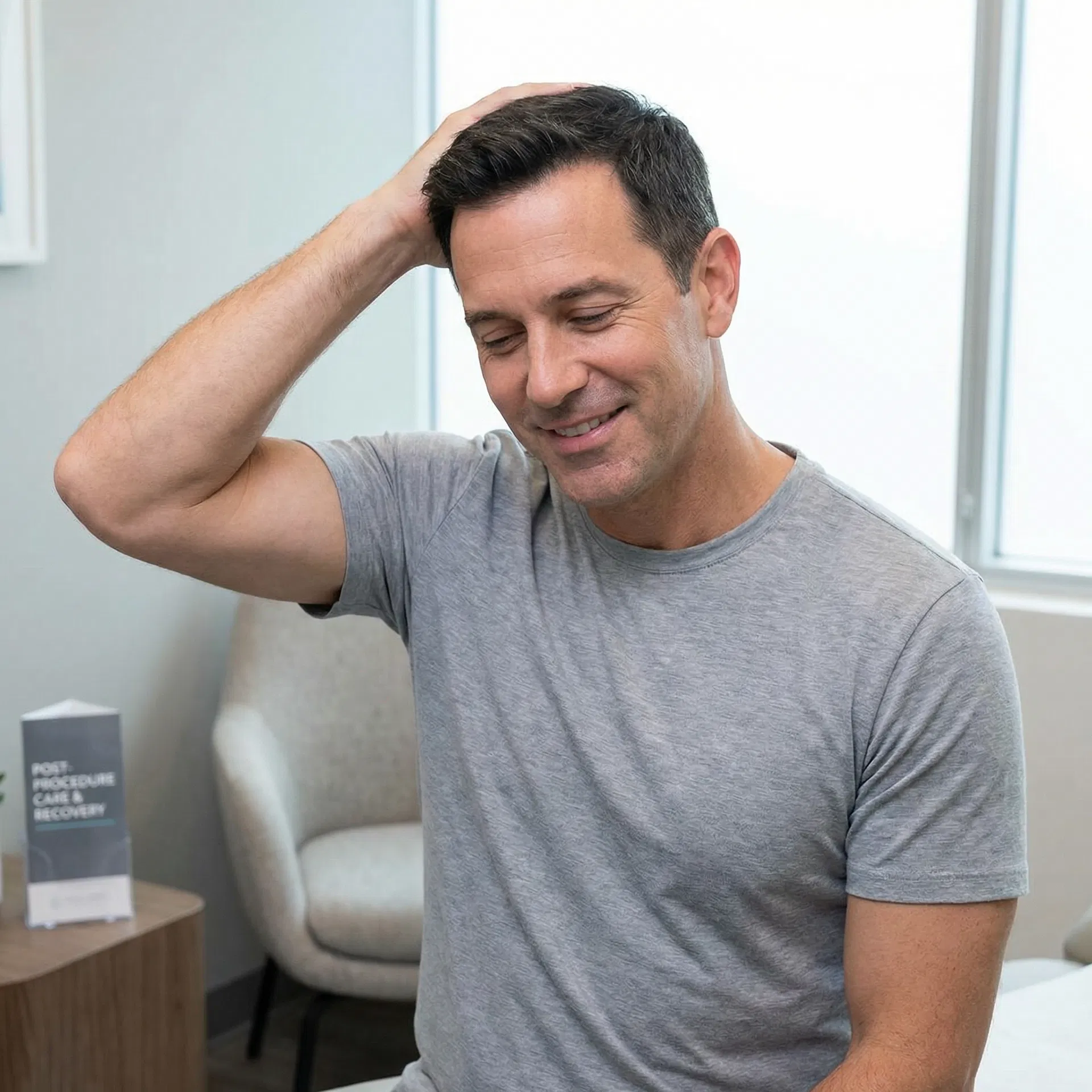
Numbness & Tingling
TemporaryTemporary numbness or tingling in the donor or recipient area is very common after the procedure. This is caused by minor nerve disruption during extraction and implantation. Sensation typically returns to normal within a few weeks to a few months. In very rare cases, small areas of reduced sensitivity may persist longer, but permanent numbness is extremely uncommon.
This is normal — sensation returns gradually as nerves heal.

Swelling & Bruising
Common but TemporaryForehead and eye area swelling is common 2 to 5 days after the procedure, particularly for hairline transplants. This is caused by the anaesthetic fluid and the body's natural inflammatory response. It resolves on its own and can be managed with prescribed medication, ice packs, and sleeping in an elevated position. Some patients also experience mild bruising around the forehead.
Sleep elevated for the first 5 nights and follow your clinic's swelling protocol.
Itching & Scabbing
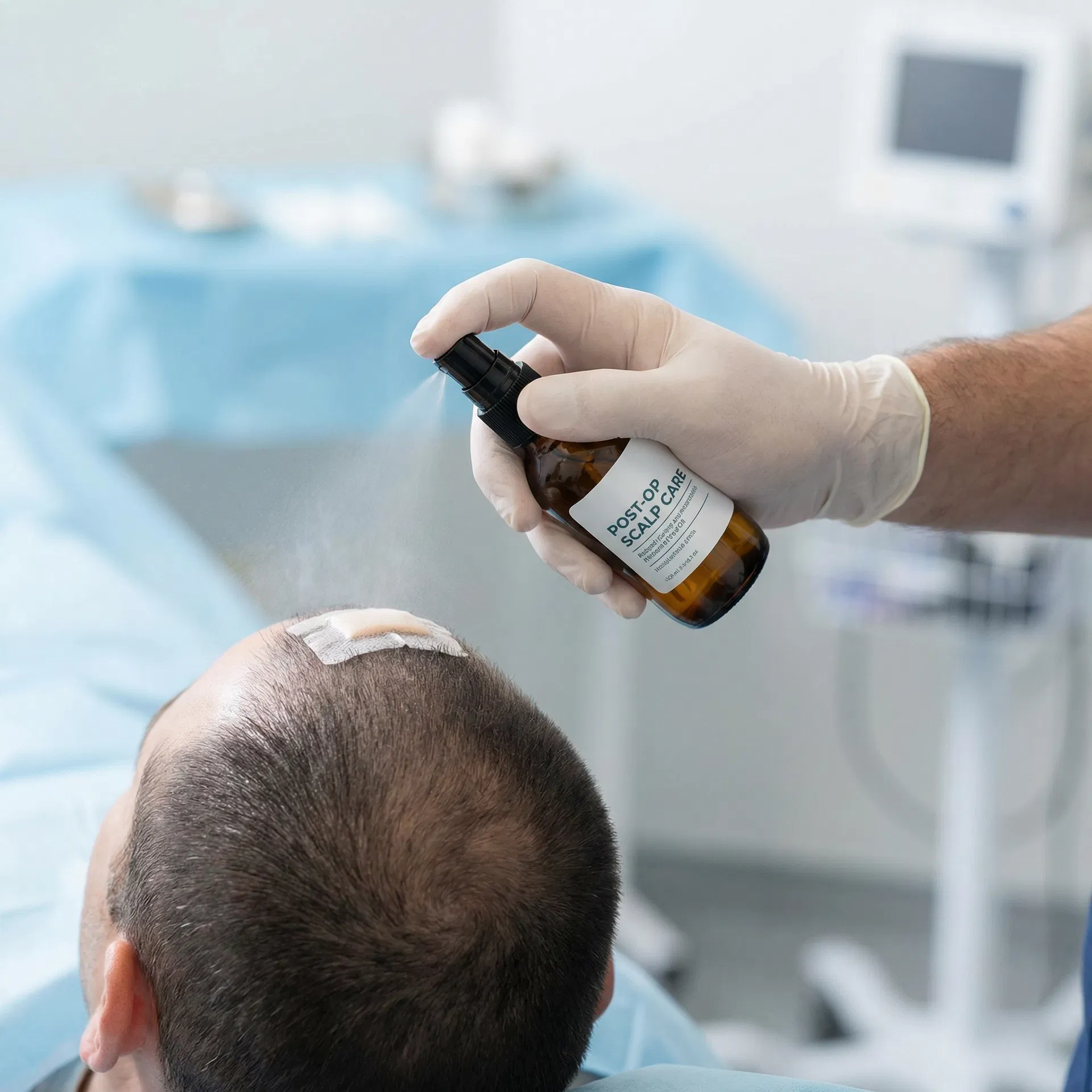
ExpectedItching in the transplanted area is very common during the first 1 to 3 weeks as the scalp heals and scabs form around the newly implanted grafts. It's essential not to scratch or pick at the scabs, as this can dislodge grafts and reduce survival rates. Your clinic will provide a special lotion or spray to help manage itching and soften scabs for gentle removal.
Never scratch or pick at scabs — use the lotion your clinic provides.
How to Minimise Risks
Follow these guidelines to help ensure the safest possible experience
Choose an accredited clinic
Look for Turkish Ministry of Health approval or JCI accreditation
Verify the surgeon's credentials
Check their medical degree, specialisation, and years of experience
Look for high graft survival rates
Top clinics often maintain 90%+ survival rates through careful protocols
Ensure the surgeon designs your hairline
The surgeon — not a technician — should personally design your hairline
Ask about sterilisation protocols
Single-use instruments and hospital-grade sterilisation are essential
Review real patient results
Ask for before-and-after photos of patients with similar hair loss patterns
Follow pre-operative instructions
Stop blood thinners, alcohol, and smoking as directed before surgery
Follow post-operative care carefully
Proper aftercare is critical for graft survival and optimal results
Attend all follow-up appointments
Most clinics offer remote follow-ups via WhatsApp or video call
Choose comprehensive aftercare
Look for clinics that include PRP therapy, medications, and a full aftercare kit
Red Flags to Watch For
If you notice any of these warning signs, proceed with extreme caution
Prices that seem too good to be true
If the price of a hair transplant in Turkey is under $1,500 CAD, the clinic is likely cutting corners on equipment, surgeon experience, or aftercare.
No named surgeon on the website
If the clinic won't tell you who will perform your surgery, that's a major red flag. You should know your surgeon's name, qualifications, and experience.
Unrealistic graft promises
Clinics promising 7,000+ grafts in a single session are likely over-harvesting, which damages the donor area and reduces graft survival rates.
No real before-and-after photos
Reputable clinics have extensive portfolios of real before and after photos. AI-generated photos, stock photos, or heavily edited images are a warning sign.
High-pressure sales tactics
If a clinic pressures you to book immediately, offers 'limited-time discounts', or won't give you time to think, walk away.
No clear aftercare programme
A good clinic provides detailed post-operative instructions, medications, a follow-up schedule, and ongoing support.
Not registered with Turkey's Ministry of Health
All legitimate clinics must be registered. Ask for their registration number and verify it independently.
Technicians performing the surgery instead of a doctor
In some budget clinics, unqualified technicians perform the extraction and implantation. The surgeon should be involved throughout the procedure.
Communication only through social media
Professional clinics have official websites, email addresses, and phone numbers — not just Instagram DMs.
What Makes a Clinic Safe?
Key certifications and standards to look for
Ministry of Health Approval
All legitimate hair transplant clinics in Turkey must be registered with the Turkish Ministry of Health. This ensures they meet minimum standards for equipment, staffing, and hygiene. Always ask for the clinic's registration number.
JCI Accreditation
Joint Commission International (JCI) accreditation is the gold standard for healthcare facilities worldwide. JCI-accredited clinics undergo rigorous inspections and must meet international patient safety standards. Only a small percentage of Turkish hair transplant clinics are partnered with a hospital facility that holds this certification.
Experienced Surgical Team
The best hair transplant clinics in Turkey have a dedicated surgical team led by a qualified dermatologist or plastic surgeon with years of hair transplant experience. The surgeon should be involved in every stage — from hairline design to extraction and implantation — not just supervising technicians.
Comprehensive Aftercare
A safe clinic provides thorough aftercare: detailed post-op instructions, medications (antibiotics, painkillers, anti-swelling), a full aftercare kit (special shampoo, lotion, neck pillow), PRP therapy sessions, and ongoing follow-up support — often via WhatsApp or video call for international patients.
Want Guidance?
Researching hair transplant clinics in Turkey that have strict safety and quality standards? Want to avoid a "Hair Mill" horror story?
Get My Free Suggestions