Loading...

Your Questions, Answered
Everything Canadian Men Ask About Hair Transplants in Turkey
Honest, detailed answers to the questions we hear most — from costs and safety to recovery timelines and choosing the right clinic.

General Questions
The basics every Canadian should know
Turkey performs more hair transplants than any other country in the world — over 600,000 procedures annually. The combination of highly experienced surgeons, modern facilities, competitive pricing, and all-inclusive packages makes it the top destination for hair restoration on earth. Many Turkish surgeons have performed 5,000+ procedures, giving them unmatched hands-on experience that most North American surgeons simply can't match due to lower patient volumes. The country's medical tourism infrastructure is also far more developed than anywhere else, with dedicated patient coordinators, airport transfers, hotel partnerships, and multilingual staff all built into the process. Turkey has invested heavily in this sector for over two decades, and the result is a streamlined, patient-friendly experience that is hard for other countries to match.
Prices typically range from $2,500 to $7,000 CAD for FUE and $3,000 to $8,000 CAD for DHI, usually as an all-inclusive package covering the procedure, hotel, transfers, and medications. This compares to $10,000 to $25,000 CAD in Canada for the procedure alone — without any of the extras. The exact price depends on the technique, number of grafts, the clinic's reputation, and the experience level of the surgeon. Premium clinics with internationally recognised surgeons tend to be at the higher end of the range, while mid-tier clinics with strong track records offer excellent value in the $3,500 to $5,000 range. Keep in mind that the cheapest option isn't always the best — we recommend prioritising surgeon experience and clinic reputation over price alone. See more details about pricing here.
A Turkish hair transplant can be very safe when you choose a reputable and accredited clinic with an experienced surgeon. Turkey's top clinics maintain high standards similar to North American facilities, with Ministry of Health oversight and surgeons who have performed thousands of procedures. Some of the best hair transplant clinics in Turkey use the same equipment and follow the same sterilisation protocols as hospitals in Toronto or Vancouver. Some are even partnered with JCI-accredited hospitals.
The key is doing your research — which is exactly what hairtravel.ca helps you with. We look for clinics that meet strict quality criteria, including verified surgeon credentials, proper licensing, and a strong track record of patient outcomes. The vast majority of complications arise from choosing unlicensed or cheap clinics that cut corners.
This depends on your degree of hair loss, the area to be covered, and your desired density. A typical range is 2,000 to 4,500 grafts per session. For context, a receding hairline alone might need 1,500 to 2,500 grafts, while a larger area covering the crown could require 3,000 to 4,500 grafts. During your consultation, the surgeon will assess your donor area (the back and sides of your head) and recommend the optimal number. Be wary of clinics promising 6,000+ grafts in a single session — this can over-harvest the donor area, leading to visible thinning at the back of your head and poor graft survival rates. A good surgeon will be honest about what's achievable in one session and may recommend a second session 12 to 18 months later for maximum density if needed.
Most men between 25 and 65 with sufficient donor hair can be good candidates. The ideal candidate has stable hair loss (not rapidly progressing), a healthy donor area at the back and sides of the head, and realistic expectations about the outcome. Men under 25 are generally advised to wait, as their hair loss pattern may not yet be fully established — transplanting too early can result in an unnatural appearance as native hair continues to recede around the transplanted area. Men with very advanced hair loss (Norwood 6 to 7) may need multiple sessions or may not achieve full coverage, but can still see significant improvement. Conditions like alopecia areata (patchy hair loss) are generally not suitable for transplantation. A reputable clinic will be upfront about what's possible during your free consultation and will turn away patients who aren't good candidates rather than overpromise.
Yes, Turkey is also a leading destination for a beard transplant or eyebrow transplant. Beard transplants are popular among men who have patchy facial hair or scarring, and typically require 1,500 to 3,000 grafts depending on the area to be filled. Eyebrow transplants are popular among both men and women and are more delicate procedures requiring 200 to 400 grafts per brow. They demand a surgeon with a strong aesthetic eye since the angle, direction, and density must look completely natural. Many of the same clinics that perform scalp hair transplants also offer these procedures, often at a lower price point since fewer grafts are involved. The recovery process is similar, though eyebrow and beard transplants tend to heal slightly faster due to the smaller treatment area.
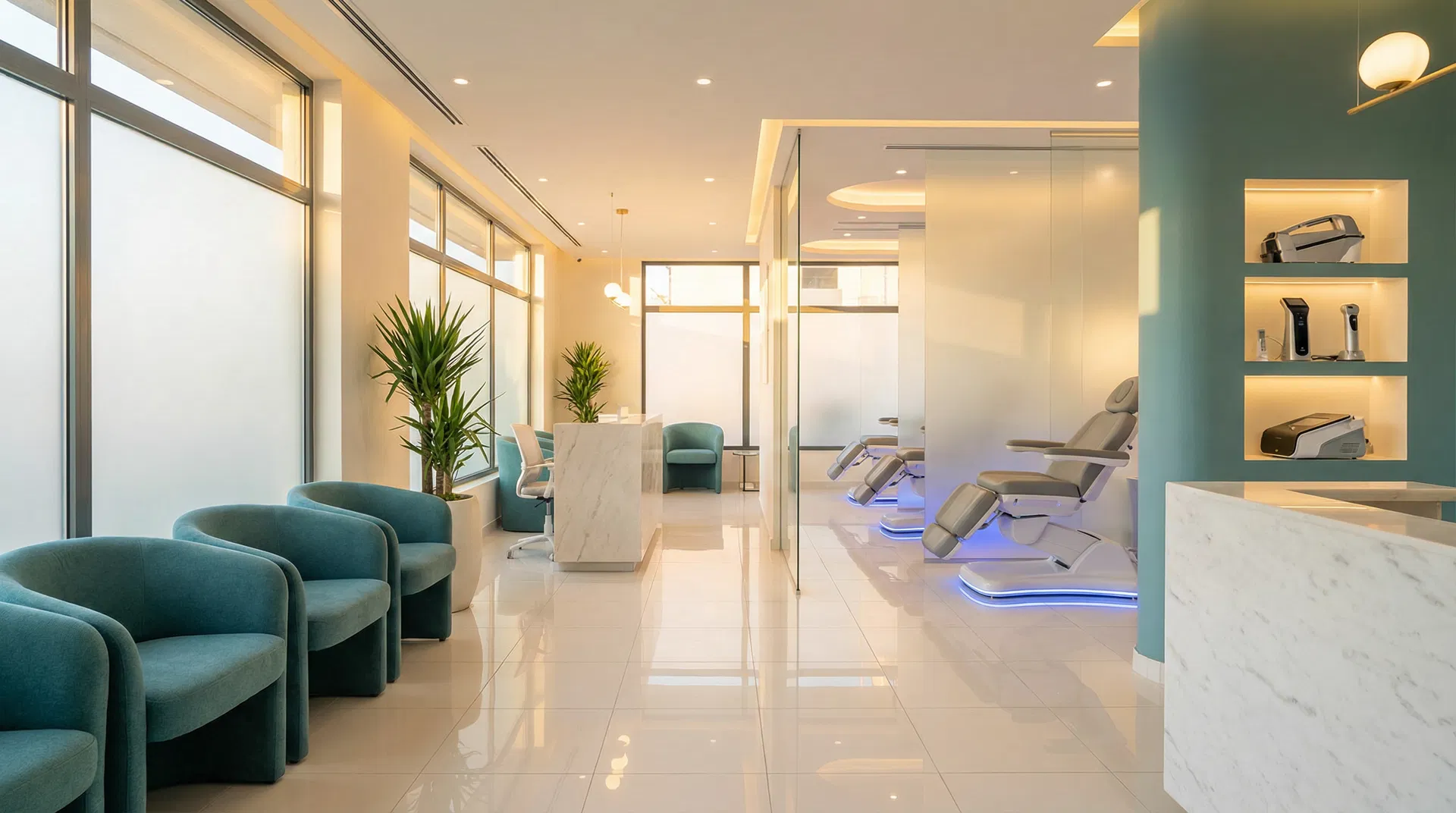
The Procedure
From anaesthesia to the final graft
The procedure is performed under local anaesthesia, so you won't feel pain during the extraction or implantation. The only uncomfortable moment is the initial anaesthesia injections, which feel like brief pinpricks and last about 5 to 10 minutes. Many clinics now offer needle-free anaesthesia (a pressurised jet system) that reduces even this discomfort significantly — it feels more like a light snap against the skin. Once the anaesthesia takes effect, you won't feel anything beyond occasional mild pressure. Most patients describe the procedure as 'boring, not painful' — many watch Netflix, listen to podcasts, or nap throughout the day. After the procedure, you may experience mild soreness and tightness in the donor area for 2 to 3 days, which is easily managed with the painkillers provided in your aftercare kit.
FUE (Follicular Unit Extraction) involves extracting individual follicles with a micro-punch tool (0.6 to 0.9mm diameter) and implanting them into pre-made channels. It's the most widely performed technique worldwide and works well for large areas. DHI (Direct Hair Implantation) uses a special Choi implanter pen to extract and implant in one step, offering more precise angle and depth control without the need to pre-make channels. DHI is generally $500 to $1,500 more expensive but can achieve higher density in smaller areas and is often preferred for hairline work, crown density, and transplanting into areas with existing hair (since it minimises damage to surrounding follicles). Both produce excellent results with experienced surgeons — the surgeon's skill and experience matter far more than the technique itself. During your consultation, the surgeon will recommend the best approach based on your specific hair loss pattern, donor area quality, and goals. For more detailed information, see our full FUE vs. DHI comparison.
A typical FUE procedure takes 6 to 8 hours, depending on the number of grafts. DHI may take slightly longer due to the more precise implantation process — a 3,000+ graft DHI session can take 8 to 10 hours. The procedure is done in one session with a lunch break (most clinics provide a meal). You'll be awake and comfortable throughout — most clinics provide a personal entertainment system with a screen, headphones, snacks, and drinks. The day typically starts around 8 or 9 AM with the hairline design consultation, followed by blood tests, then the extraction phase in the morning, a lunch break, and the implantation phase in the afternoon. Some larger sessions (4,000+ grafts) may be split across two consecutive days to ensure the team maintains precision and the grafts remain viable. Check out our full step by step procedure guide here.
A skilled and experienced surgeon should know how to make a hair transplant look extremely natural. The key is the hairline design — it should be age-appropriate, slightly irregular (natural hairlines aren't perfectly straight), and account for future hair loss so it still looks right in 10 or 20 years. A common mistake with less experienced surgeons is creating a hairline that's too low or too straight, which looks obviously artificial. The implantation angle and direction are equally important; grafts should follow your natural hair growth pattern, typically at a 30 to 45 degree angle pointing forward. This is why choosing an experienced surgeon matters more than the technique — a great surgeon with FUE will outperform an average surgeon with DHI every time. Always ask to see their before-and-after portfolio, paying close attention to patients with a similar hair loss pattern to yours. Video testimonials and independent reviews are also valuable indicators of real-world results.
Sapphire FUE is a variation of the standard FUE technique that uses blades made from sapphire crystal instead of steel to create the recipient channels. The sapphire blades allow for smaller, more precise incisions (as small as 1.0 to 1.3mm), which can lead to faster healing, less scabbing, reduced tissue trauma, and potentially denser packing of grafts. Because the incisions are smaller and more uniform, the skin heals more quickly and with less visible scarring. Most top Turkish clinics now offer Sapphire FUE as their standard or premium option. It typically costs $500 to $800 more than standard FUE, and most surgeons consider it a worthwhile upgrade. The sapphire blades also stay sharper longer than steel, which means more consistent incisions throughout a long procedure — particularly beneficial for sessions involving 3,000+ grafts.
Most clinics schedule a pre-operative consultation on the day before or the morning of the procedure. During this appointment, you'll meet your surgeon, discuss your goals and expectations, and undergo a thorough examination of your scalp and donor area. The surgeon will design your new hairline using a marker, and you'll have the opportunity to provide feedback and request adjustments — this is a collaborative process, so don't be shy about speaking up. You'll also have blood tests taken to check for any conditions that could affect the procedure (such as blood clotting disorders or infections). The clinic will give you pre-operative instructions, which typically include avoiding alcohol for 48 hours, not taking blood-thinning medications like aspirin, and getting a good night's sleep. Some clinics also provide a scalp treatment or PRP session the day before to prepare the area.
Yes, grey hair does not affect your eligibility for a hair transplant. The transplanted follicles will continue to produce hair in whatever colour they naturally grow — so if your donor hair is grey, the transplanted hair will also be grey. The only consideration is that grey or white hairs can be slightly harder to extract during the FUE process because they are less visible against the scalp, which requires a more experienced surgeon and team. Some clinics use specialised lighting or magnification to improve visibility during extraction. The results are just as natural and permanent as with pigmented hair. If you dye your hair, you can continue to do so after the transplant once the scalp has fully healed (typically after 4 to 6 weeks).
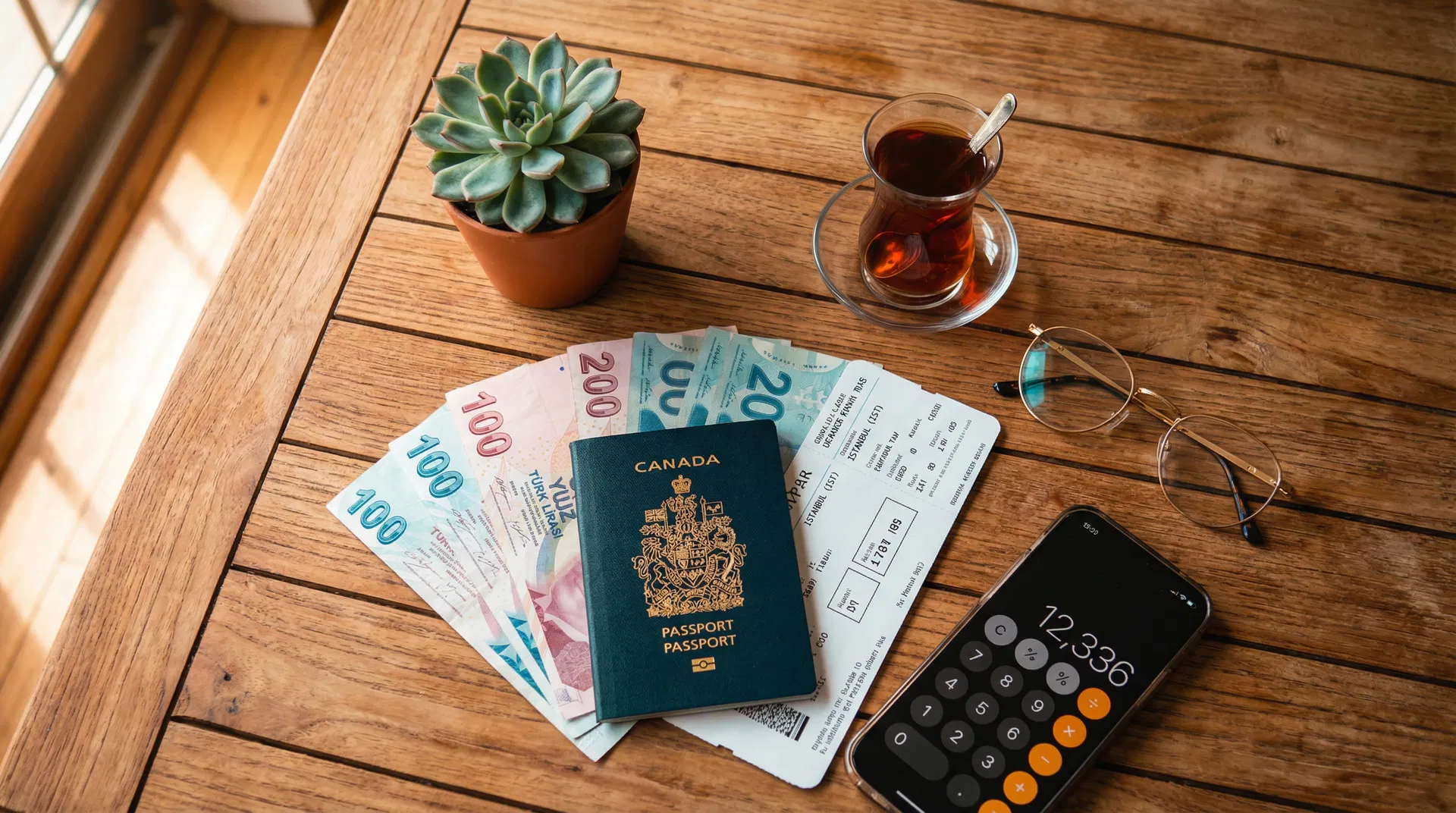
Cost & Value
What you're paying for and how to get the best value
A standard all-inclusive package from a reputable Turkish clinic covers a lot more than just the procedure. You'll typically get the hair transplant itself, 3 nights in a 4-star or 5-star hotel with breakfast included, private airport-to-hotel-to-clinic transfers in a comfortable vehicle, all medications including antibiotics, painkillers, and anti-swelling tablets, a PRP treatment session to boost graft survival, aftercare products like special shampoo, moisturising lotion, and saline spray, and your first wash at the clinic the day after surgery with detailed instructions on how to continue washing at home.
The package will be flat-rate with no per-graft pricing (the cost is the same whether you need 2,000 or 4,500 grafts). Premium packages will sometimes include 4 nights in a hotel. Many packages also include a translator, a dedicated patient coordinator who stays with you throughout the trip, and a neck pillow for sleeping comfortably during recovery. Some premium packages add a second PRP session, a dermaroller for home use, and a 12-month supply of aftercare products shipped to Canada.
The lower cost is primarily due to Turkey's lower cost of living and operating expenses — not lower quality. Rent, salaries, medical supplies, and even food all cost significantly less in Turkey than in Canada. A highly skilled surgical technician in Istanbul might earn a fraction of what their counterpart in Toronto makes, despite having comparable or greater experience. Additionally, the sheer volume of procedures performed allows clinics to operate more efficiently — they can negotiate better prices on equipment and supplies, and their teams develop extraordinary speed and precision through repetition.
The intense competition between hundreds of clinics also drives prices down while pushing quality up, as clinics compete for international patients through better results, nicer facilities, and more comprehensive packages. The Turkish government actively supports medical tourism through favourable regulations, tax incentives, and marketing campaigns. The result is world-class care at a fraction of the Canadian price — not because it's inferior, but because the economics of operating in Turkey are fundamentally different.
With a reputable clinic, there should never be hidden costs! The all-inclusive price should cover absolutely everything medical. However, you should budget separately for: your return flight from Canada ($800 to $1,600 CAD depending on season, city of departure, and how far in advance you book), travel insurance ($50 to $150 CAD for a standard policy), and spending money for meals and activities outside the hotel ($50 to $100 CAD per day). Turkey is very affordable for dining out and transportation, with excellent restaurant meals available for $10 to $15 CAD and taxi rides as cheap as $5 CAD.
The good news is that Canadian citizens now have visa-free access to Turkey (before 2024 they had to buy an e-Visa), so that's one less expense to worry about. If you plan to extend your stay for sightseeing, budget for additional hotel nights ($80 to $150 CAD per night depending on the city and hotel quality). When you add it all together including flights, the procedure, and spending money — most Canadians are spending at least 50% less than the procedure alone would cost in Toronto or Vancouver.
Most clinics price their packages in USD or EUR, though a few do accept CAD. Payment is typically made via bank transfer, credit card, or cash upon arrival. We recommend using a credit card with no foreign transaction fees to avoid extra charges — cards like the Scotiabank Passport Visa Infinite, Scotiabank Gold AMEX, or Rogers Red World Elite Mastercard are popular choices among hair transplant tourists from Canada. Always confirm the total amount in writing before you pay, and ask for a detailed receipt that includes the procedure type, number of grafts, and all services included. Some patients prefer to pay cash in USD or EUR, which they exchange before leaving Canada for a better rate than exchanging at the airport in Turkey.
Hair transplants are considered a cosmetic procedure and are not covered by provincial health insurance (OHIP, MSP, RAMQ, etc.) or most private insurance plans in Canada. This applies whether you have the procedure done in Canada or abroad. However, the significant cost savings of getting the procedure in Turkey — often 50 to 70% less than Canadian prices — can make the out-of-pocket expense much easier to manage. Some patients use health spending accounts (HSAs) or flexible spending accounts through their employer to offset part of the cost.
In rare cases, it might be possible to claim a hair transplant procedure as a medical expense tax credit on your Canadian tax return — always consult a professional accountant, as eligibility depends on your specific situation. In general, the CRA only allows claims for cosmetic procedures if they are medically necessary. Influencers may also want to ask their CPA if a portion of their hair transplant could be considered a business expense.
In most cases, yes. The difference between a $3,000 CAD package and a $6,000 CAD package often comes down to surgeon experience, team size, and aftercare quality — all of which directly affect your results. Premium clinics typically have a lead surgeon who personally designs the hairline and oversees the entire procedure, a smaller patient-to-staff ratio (1:1 rather than the surgeon splitting time between 3 to 4 patients), newer equipment including sapphire blades and advanced implanter pens, and comprehensive 12 to 18 month aftercare with regular video check-ins.
Budget clinics may deliver acceptable results, but the risk of complications, unnatural-looking hairlines, or poor graft survival is significantly higher. Given that this is a procedure that permanently affects your appearance, the extra $2,000 to $3,000 CAD is generally a wise investment. That said, the most expensive clinic isn't automatically the best — focus on surgeon credentials, verified patient results, and the quality of the consultation process.
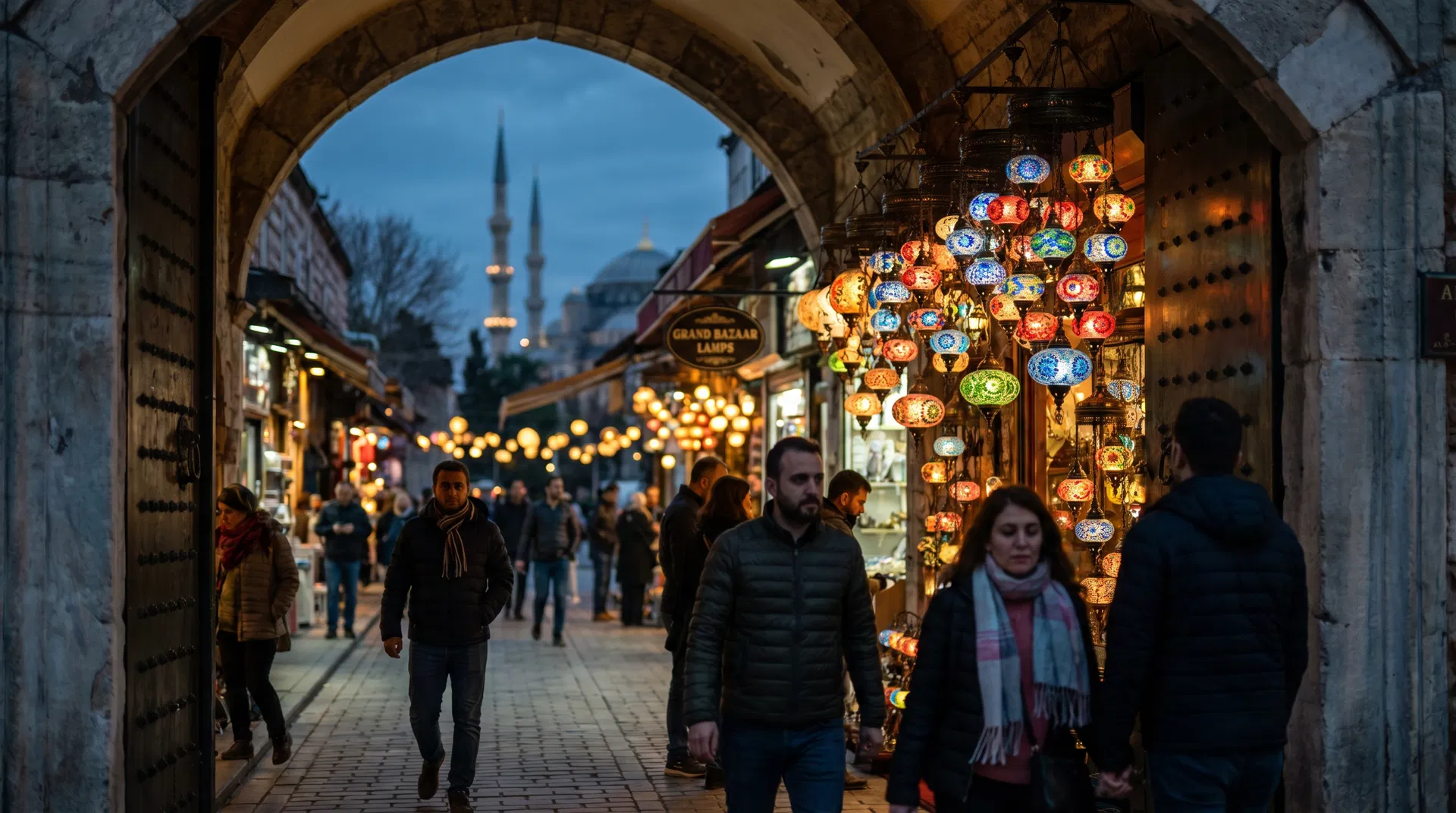
Travel & Logistics
Getting to Turkey and navigating the trip
Most patients stay 4 to 5 days: Day 1 for your consultation, blood tests, and hairline design; Day 2 for the procedure itself; Day 3 for the first wash at the clinic and a post-operative check-up; and Day 4 to 5 for light recovery before flying home. Some patients extend a few more days to combine recovery with light sightseeing — Istanbul's Grand Bazaar, Hagia Sophia, and Bosphorus cruises are all manageable activities during recovery, as long as you wear a hat and avoid direct sun. Antalya and Ankara also have plenty to see. Your clinic will provide a detailed day-by-day itinerary before you arrive, so you'll know exactly what to expect and can plan accordingly. We recommend arriving the evening before your consultation day so you're well-rested.
Yes, you can fly 2 to 3 days after the procedure. The cabin pressure doesn't affect the transplanted grafts — they are securely placed in the recipient channels within hours of implantation. Wear a loose hat (your clinic will provide a special post-op hat), stay hydrated throughout the flight, and avoid bumping your head on overhead compartments or the seat in front of you. Most patients fly home on day 4 or 5 without any issues. Some clinics recommend wearing a travel pillow to keep your head from resting against the seat back, which could disturb the grafts in the donor area. For the flight home, try to get an aisle seat for easier movement, and consider bringing a small spray bottle with saline solution to keep your scalp moisturised during the flight, as cabin air can be very dry.
As of January 2024, Canadian passport holders now enjoy visa-free access to Turkey for stays up to 90 days (no e-Visa application required). Make sure your Canadian passport is valid for at least 6 months beyond your travel date — this is a strict requirement and airlines will not let you board without sufficient passport validity.
If you are a Canadian permanent resident with a passport from another country, your visa requirements may differ. Turkey's e-Visa system covers citizens of many countries, but the fee, duration, and eligibility vary depending on your passport's country of issue — not your Canadian residency status. Check the official e-Visa website to confirm whether your nationality qualifies for an e-Visa, or whether you need to apply through a Turkish consulate instead. Some nationalities may require a sticker visa, which involves an in-person appointment and longer processing times, so plan well ahead. If you hold dual citizenship and one of your passports is Canadian, use that one for the simplest entry process.
Istanbul is the most popular choice with the widest selection of clinics (over 500) and the most developed medical tourism infrastructure. Istanbul is also the most exciting city to visit during recovery, with world-class restaurants, historic sites, and shopping.
Antalya offers a resort-like recovery experience on the Mediterranean coast, ideal if you want to combine your trip with relaxation by the sea — the warm climate and beach atmosphere make recovery feel more like a holiday.
Ankara is the capital city with excellent clinics at prices 15 to 25% lower than Istanbul, fewer tourists, and a more authentic local Turkish experience.
Each city has its own advantages, and the best choice depends on your priorities — variety and nightlife (Istanbul), relaxation and beaches (Antalya), or value and authenticity (Ankara). Majority of Canadians travel to Istanbul for their hair transplant, but some choose Antalya particularly if they want a relaxing vacation. Having trouble deciding which destination is right for you? This city comparison might be helpful.
If you've booked an all-inclusive package, your clinic should arrange a private transfer — a driver will meet you at arrivals with a sign showing your name. This is included in the package price and is by far the easiest option, especially after a long flight from Canada. The driver will take you directly to your hotel, and the same service will shuttle you between the hotel and clinic throughout your stay. If you're arranging your own transport, Istanbul Airport (IST) has excellent taxi and shuttle services, and ride-hailing apps like BiTaksi work well. The drive from Istanbul Airport to the city centre takes about 40 to 60 minutes depending on traffic. For Antalya, the airport is much closer to the city centre (about 15 to 20 minutes), and for Ankara, Esenboğa Airport is about 30 to 40 minutes from the city.
We strongly recommend it. A good travel insurance policy should cover medical emergencies, trip cancellation, and baggage loss. Many standard Canadian travel insurance policies should cover you in Turkey. Look for a policy that includes at least $1 million in emergency medical coverage and covers medical evacuation — while complications from hair transplants are extremely rare, having comprehensive coverage gives you peace of mind. Some clinics also offer their own medical complication insurance as part of the package, which covers any revision work or treatment needed due to procedure-related issues. Check with your credit card company too — many premium cards include travel medical insurance when you purchase the flight with the card, which might save you the cost of a separate policy.
Pack light and practical. Essential items include: button-up or zip-up shirts (you won't be able to pull anything over your head for 2 weeks after the procedure), a travel pillow for sleeping elevated, comfortable loose-fitting clothes, sunglasses, and any prescription medications you take regularly. Your clinic will provide a special post-op hat, aftercare products, and medications, so you don't need to bring those. Leave hair products like gel, wax, and hairspray at home — you won't need them. Bring entertainment for the procedure day (phone, tablet, headphones, downloaded shows or podcasts). A portable phone charger is useful since the procedure day is long. Pack a small carry-on bag with essentials in case your checked luggage is delayed, and bring a copy of your clinic confirmation and e-Visa in both printed and digital form. Want more suggestions? Read our full guide on what to pack.

Recovery & Results
Days, weeks, and months after your procedure
Hair growth follows a predictable timeline: transplanted hairs fall out at 2 to 4 weeks (shock loss — this is completely normal and expected), new growth begins at 3 to 4 months as thin, wispy hairs, noticeable thickening and coverage at 6 to 8 months, and final results at 12 to 18 months when the hair has reached full thickness and length. The wait can feel long, and months 2 to 4 are often called the 'ugly duckling phase' because the transplanted hairs have fallen out but new growth hasn't started yet — your scalp may look similar to or slightly worse than before the procedure. This is temporary and completely normal. The gradual growth from month 4 onward means the change looks natural to people around you — most won't notice a sudden difference, just a gradual improvement. Most patients say the transformation is worth every day of patience, and by month 8 to 10 the results are already impressive.
Yes. The transplanted follicles are taken from the 'safe zone' at the back of your head, which is genetically resistant to DHT (the hormone that causes male pattern hair loss). These follicles retain their DHT-resistant properties in their new location — this is the fundamental principle behind hair transplantation, known as 'donor dominance.' The transplanted hair will continue to grow for life, and you'll cut, style, colour, and wash it just like the rest of your hair. However, it's important to understand that a hair transplant doesn't stop the progression of hair loss in your non-transplanted hair. This is why many surgeons recommend finasteride or minoxidil after the procedure to preserve your existing native hair and maintain a consistent, natural look over the long term. Your surgeon will discuss a personalised maintenance plan during your consultation.
Most patients take 5 to 7 days off work in total (including travel days). If you work from home or have a desk job, you could potentially return after 3 to 4 days — you'll be fully functional, just with visible redness and small scabs on your scalp. The main concern is appearance — you'll have redness and small scabs for 7 to 10 days, and mild swelling around the forehead for 3 to 5 days (which can be minimised by sleeping elevated and taking the anti-swelling medication provided). If you wear a hat at work, you could return sooner without anyone noticing. For physically demanding jobs (construction, gym work, etc.), you'll need at least 2 weeks before returning to full activity. Many Canadian patients schedule their procedure around a long weekend, statutory holiday, or vacation time to minimise time off. Some patients tell colleagues they're going on holiday to Turkey — which is technically true.
During the first 2 weeks, yes — there will be redness, small scabs, and possibly some swelling. If you need to be in public during this time, a loose hat covers everything. After that, the transplanted hairs fall out (shock loss) and the area looks similar to before, just with tiny dots that fade within a few weeks. New growth begins gradually at 3 to 4 months, so the change is subtle and natural-looking — there's no sudden dramatic difference that would alert people. Most people will simply think your hair is growing back or that you've changed your hairstyle. By 8 to 12 months, even your barber won't be able to tell which hairs are transplanted and which are native. The key to an undetectable result is choosing a surgeon who designs an age-appropriate, natural-looking hairline — avoid anyone who promises a perfectly straight, teenage hairline, as this will look obviously artificial.
For the first 2 weeks: avoid direct sunlight on your scalp, swimming, saunas, steam rooms, heavy exercise, alcohol, and smoking (smoking restricts blood flow and can significantly reduce graft survival). Don't wear tight hats, helmets, or anything that puts pressure on the transplanted area. Sleep elevated at a 45-degree angle for the first 5 nights to reduce swelling — your clinic will provide a travel pillow or recommend a specific sleeping position. Avoid touching, scratching, or picking at the scabs, even if they itch (they will). Don't use hair dryers on a hot setting for the first month. After 2 weeks, you can gradually return to light exercise like walking and gentle cycling. After 4 weeks, most restrictions are lifted and you can resume gym workouts, swimming, and wearing hats normally. Your clinic will provide a detailed day-by-day recovery guide with specific instructions for each stage.
First, remember that final results take 12 to 18 months — many patients who feel anxious at 4 to 6 months end up thrilled by month 12. The growth process is gradual and uneven, so some areas may fill in faster than others. It's very common to feel impatient or worried during the middle months, but this is almost always premature. If you're genuinely unhappy after the full growth period (18 months), reputable clinics offer free touch-up sessions to address any thin spots, refine the hairline, or increase density in specific areas. This is why choosing a clinic with a strong guarantee and aftercare programme is so important — it protects you long-term. We only recommend clinics that stand behind their work and have a clear policy for revision procedures. In our experience, the vast majority of patients who choose a reputable clinic are very satisfied with their results by the 12-month mark.
You'll need to ease back into physical activity gradually. For the first 7 to 10 days, avoid all strenuous exercise — your body needs to heal and sweating can irritate the transplanted area and increase the risk of infection. Light walking is fine from day 2 onward. After 2 weeks, you can resume light cardio like cycling or gentle jogging. After 3 to 4 weeks, you can return to weight training and most gym activities, but avoid exercises that cause heavy sweating on the scalp or put pressure on your head (like headstands or heavy overhead pressing). Contact sports like hockey, basketball, and martial arts should wait until 6 to 8 weeks post-procedure to avoid any risk of impact to the transplanted area. Swimming in chlorinated pools or the ocean should wait at least 4 weeks. By 2 months post-procedure, you can resume all activities without restriction.

Aftercare & Support
How clinics support you back in Canada
Reputable clinics offer remote aftercare via video calls and WhatsApp messaging — often for 12 to 18 months after your procedure. You'll have direct access to your patient coordinator and, in many cases, the surgeon themselves. If a serious issue arises (which is extremely rare with accredited clinics), the clinic will arrange a follow-up visit, often covering the cost of your flight and accommodation. Common post-operative concerns like mild swelling, itching, or uneven scab shedding can almost always be addressed remotely with photos and video calls. In the unlikely event of an infection or other medical issue requiring immediate attention, your clinic will advise you on what to tell a local Canadian doctor and can provide medical documentation. This is why choosing a clinic with a strong aftercare programme is essential — it's your safety net once you're back home. We only recommend clinics with comprehensive post-operative support.
Most clinics assign you a dedicated patient coordinator who stays in touch via WhatsApp or a clinic app. You'll send photos of your scalp at regular intervals (typically 1 week, 1 month, 3 months, 6 months, and 12 months post-procedure), and the medical team will review your progress and provide guidance. The photos should be taken in good lighting from consistent angles — most clinics provide a photo guide showing exactly how to take them. If any concerns arise between scheduled check-ins, you can message your coordinator directly and typically receive a response within a few hours. Many clinics also offer scheduled video consultations with the surgeon at key milestones (3 months and 12 months are common). This ongoing relationship means you're never left wondering whether your progress is normal — you have a medical team monitoring your results throughout the entire growth cycle.
PRP (Platelet-Rich Plasma) therapy can help boost graft survival and accelerate growth by injecting concentrated platelets from your own blood into the scalp, which stimulates healing and hair follicle activity. Most all-inclusive packages include one PRP session on the day of the procedure. Some clinics recommend additional PRP sessions at 3, 6, and 12 months — these can be done locally in Canada by any clinic or medspa that offers PRP. The cost in Canada is typically $400 to $800 per session. While PRP is beneficial and can improve results, it is not mandatory for good outcomes — many patients achieve excellent results without additional PRP sessions beyond the initial one. Think of it as a helpful boost rather than a requirement. If you do want additional PRP in Canada, look for a provider who uses a double-spin centrifuge system, which produces a higher concentration of platelets.
Your clinic will provide a post-operative care kit that typically includes a special shampoo, moisturising lotion, saline spray, and sometimes a foam pillow for sleeping. You'll use the special shampoo for the first 2 to 4 weeks — it's formulated to be extremely gentle and won't disturb the healing grafts. The washing technique during this period involves a specific patting motion rather than rubbing, and your clinic will demonstrate this during your first wash. After 4 weeks, you can transition back to a gentle, sulphate-free shampoo. Many surgeons also recommend minoxidil (Rogaine) starting at 4 to 6 weeks to support existing hair and boost transplant growth — it increases blood flow to the scalp and can help both transplanted and native hair. Finasteride (Propecia) is often recommended to prevent further loss of non-transplanted hair, which is important for maintaining a natural overall appearance as you age. Discuss both medications with your surgeon, as they have different benefits and potential side effects.
Hair washing after a transplant follows a specific protocol that your clinic will demonstrate during your first wash (usually the day after the procedure). For the first 10 to 14 days, you'll use a gentle patting technique — never rubbing or scrubbing. Apply the special lotion provided by your clinic to the transplanted area, let it sit for 15 to 20 minutes to soften the scabs, then rinse gently with lukewarm (not hot) water using a cup, letting the water flow over the area without direct pressure. Then apply the special shampoo with your fingertips using a light patting motion, and rinse again. The donor area at the back of your head can be washed more normally after the first few days. After 2 weeks, you can begin gently massaging the transplanted area during washing, which helps remove any remaining scabs. By week 3 to 4, you can return to a normal washing routine with a gentle shampoo. Most clinics provide a video tutorial you can refer back to at home.
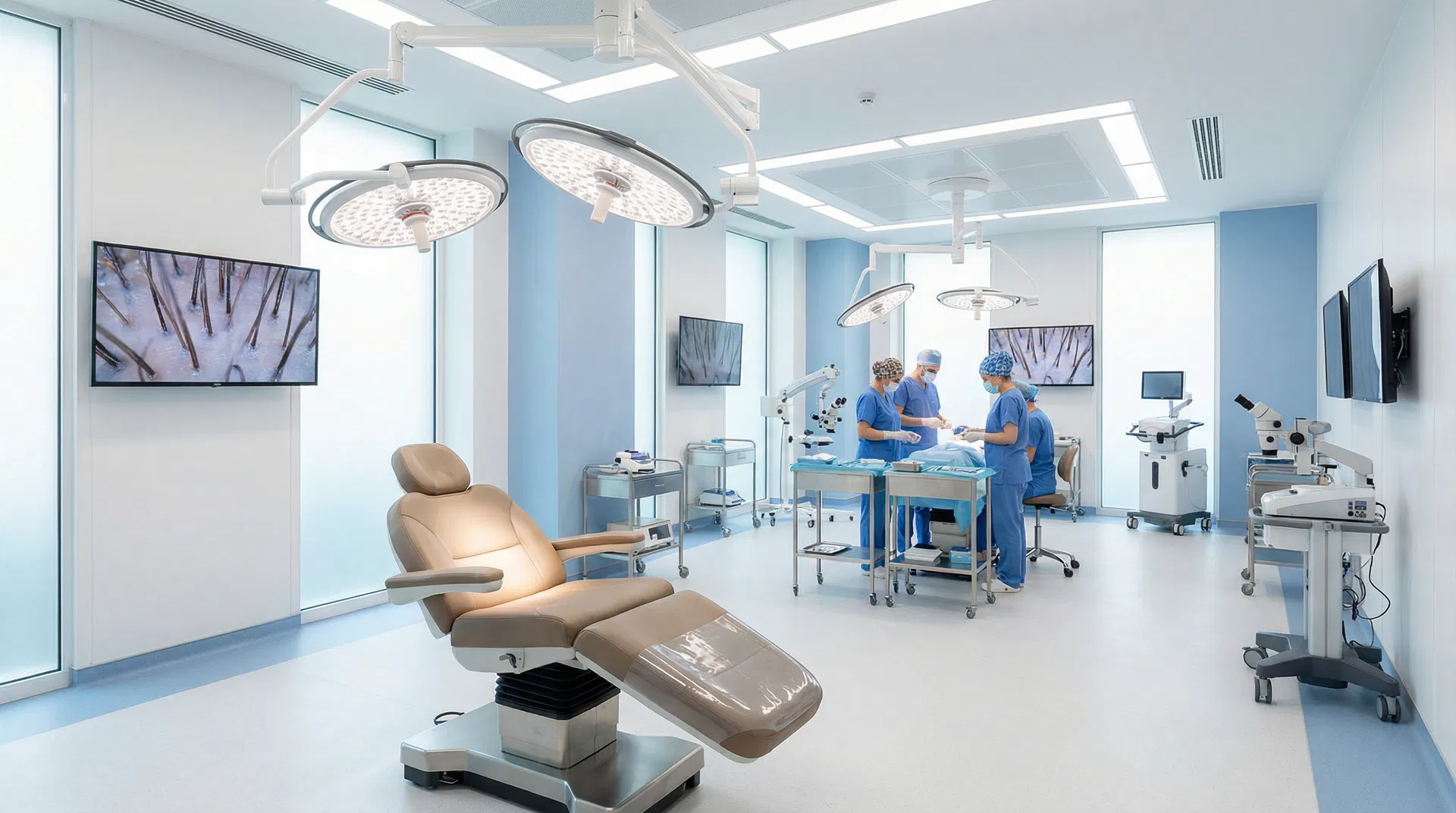
Choosing the Right Clinic
How to find a trustworthy clinic
Look for these key indicators: Ministry of Health accreditation (mandatory in Turkey for any clinic performing medical procedures), JCI or ISO certification (international quality standards), a named lead surgeon with verifiable credentials (not just a clinic brand), a substantial portfolio of before-and-after photos showing consistent results across different hair loss patterns, and transparent pricing with no hidden fees. Be cautious of clinics that only communicate through intermediaries or social media agents, refuse to name the surgeon who will perform your procedure, show only their best 5 to 10 results rather than a broad portfolio, or offer prices that seem too good to be true (under $1,500 CAD is a major red flag). Also check for independent reviews on Google, Trustpilot, and hair transplant forums like HairRestorationNetwork. Our scams guide covers the red flags in detail.
Ideally, yes — at least the critical parts. The hairline design should always be done by the lead surgeon, as this is the most visible and artistically demanding aspect of the procedure. In many Turkish clinics, trained technicians handle the extraction and implantation under the surgeon's direct supervision, which is standard practice worldwide — even in Canada and the US, technicians often perform the bulk of the graft handling. However, the surgeon should be present throughout the procedure, personally handle the hairline design, oversee the extraction to ensure proper graft selection, and manage any complex areas like temple points or crown work. Ask the clinic directly about the surgeon's involvement — a good clinic will be transparent about their process. Be wary of 'ghost surgery' where the surgeon only appears briefly for the consultation and a different, less experienced person performs the actual procedure. This is a red flag and more common at high-volume budget clinics.
The main differences are surgeon experience, team quality, and aftercare. Budget clinics (under $2,000 CAD) often use less experienced technicians, pack more patients into a single day (sometimes 4 to 6 patients per surgeon), use older equipment, and offer minimal follow-up after you leave Turkey. The surgeon may only spend 15 to 20 minutes on your case, with the rest handled by junior staff. Mid-range and premium clinics ($3,000 to $8,000 CAD) typically have surgeons with 10+ years of experience and thousands of procedures under their belt, smaller patient-to-staff ratios (1 to 2 patients per surgeon per day), better equipment including sapphire blades and advanced implanter pens, and comprehensive 12 to 18 month aftercare programmes with regular check-ins. They also tend to have better hotel partnerships, more comfortable clinic facilities, and more attentive patient coordinators. The extra cost is almost always worth it for a procedure that permanently affects your appearance — this is not the place to bargain-hunt.
We recommend booking 2 to 4 months in advance for the best availability and flight prices. Top surgeons often have waiting lists of 4 to 8 weeks, and the most sought-after clinics can be booked out 2 to 3 months during peak season (spring and autumn). This lead time also gives you time to complete your online consultation (which involves sending photos of your scalp from multiple angles), arrange time off work, book flights at a reasonable price, and mentally prepare for the trip. Last-minute bookings are possible but may limit your choice of surgeon and increase flight costs significantly. Avoid booking during Turkish public holidays (especially Ramadan and the Bayram holidays that follow) when clinics may have reduced schedules or be closed entirely. The best times to visit are March to May and September to November — pleasant weather, reasonable flight prices, and full clinic availability.
Absolutely. We've personally researched and vetted 40 of Turkey's top hair transplant clinics across Istanbul, Antalya, and Ankara. Our reviews include verified patient experiences from real Canadians who have had the procedure, pricing transparency with costs listed in CAD, surgeon credentials and years of experience, facility quality assessments, and aftercare programme details. We update our reviews regularly and remove any clinic that falls below our standards. You can browse our clinic directory, compare clinics side by side, or contact us for a free personalised recommendation based on your specific needs, budget, and preferences. We're not affiliated with any clinic, so our advice is always impartial.
Free Consultation
Still Have Questions?
Our team has helped hundreds of Canadian men navigate the hair transplant process. Get personalised answers and clinic recommendations.
40+
Clinics Reviewed
3
Cities Covered
Free
Expert Guidance
100%
Canada-Focused
Continue Reading