The cost of a hair transplant is a major consideration, and Turkey offers a significant financial advantage. For women, all-inclusive packages for an unshaven DHI procedure typically range from $3,000 to $6,000 CAD. A standard FUE procedure, if suitable, can be slightly less, generally between $2,500 to $5,000 CAD. These packages often cover not just the surgery, but also accommodation, ground transportation, and translation services, providing a seamless experience from start to finish. In contrast, the same procedure in Canada could cost anywhere from $12,000 to $25,000 CAD for the surgery alone. The higher cost of the unshaven option in Turkey reflects the increased complexity and time required, but for many, the ability to maintain privacy and discretion is well worth the investment. For more
complete details on what to expect, our comprehensive cost guide provides a full breakdown.

Reach out for a free chat.

 Hair loss is an issue that affects a significant number of women, yet it remains a topic seldom discussed. It is estimated that nearly 40% of women will face noticeable hair thinning by the time they reach the age of 50. Unlike male pattern baldness, which often results in a receding hairline, Female Pattern Hair Loss (FPHL) typically manifests as diffuse thinning across the entire scalp, making it a uniquely challenging condition to address. The emotional and psychological toll can be substantial, impacting self-esteem and confidence.
 The causes of hair loss in women are varied and complex, ranging from genetic predispositions to lifestyle factors. Some of the most common culprits include hormonal fluctuations during pregnancy or menopause, thyroid imbalances, and nutritional deficiencies, particularly iron. Stress can also trigger a condition known as telogen effluvium, where a significant amount of hair enters the shedding phase simultaneously. Additionally, certain hairstyling practices that pull on the hair, such as tight braids or ponytails, can lead to traction alopecia over time. For those with stable hair loss and a sufficient donor area, a hair transplant can be a transformative and permanent solution, restoring not just hair, but also confidence. Considering hair restoration as a woman? We specialise in connecting female patients with experienced surgeons.
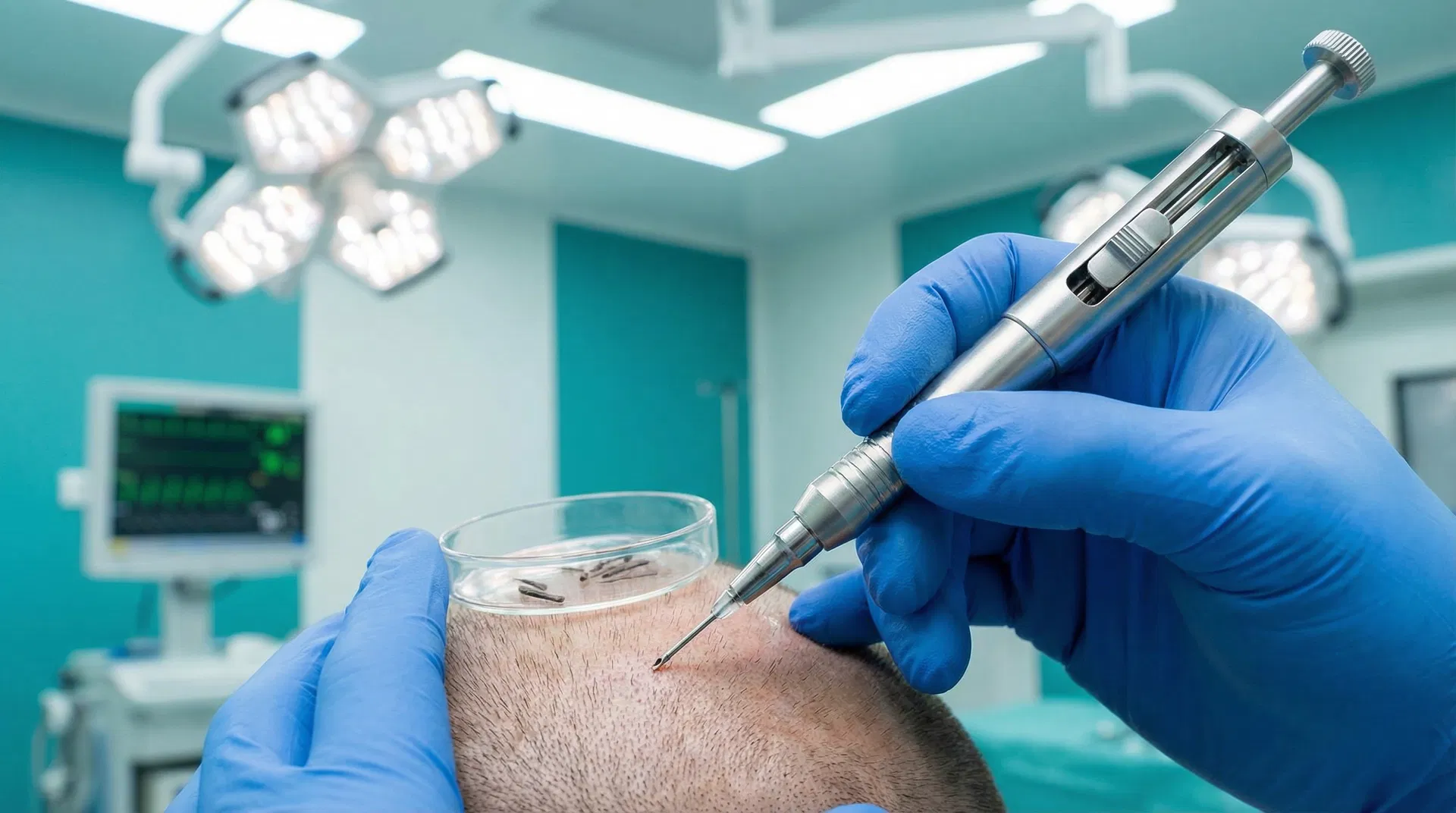
 The Direct Hair Implantation (DHI) technique is often preferred for female patients. This method uses a specialized Choi pen to implant follicles directly between existing hairs without the need for creating prior incisions. This precision is crucial for increasing density without damaging the native hair, which is a primary goal for most women. Unlike men, who often need to rebuild a hairline, women typically seek to add volume and coverage to thinning areas. As a result, female hair transplant sessions may involve a smaller number of grafts, usually between 1,000 to 2,500, but the meticulous nature of the unshaven DHI procedure can mean it takes longer to complete, often lasting from eight to twelve hours.
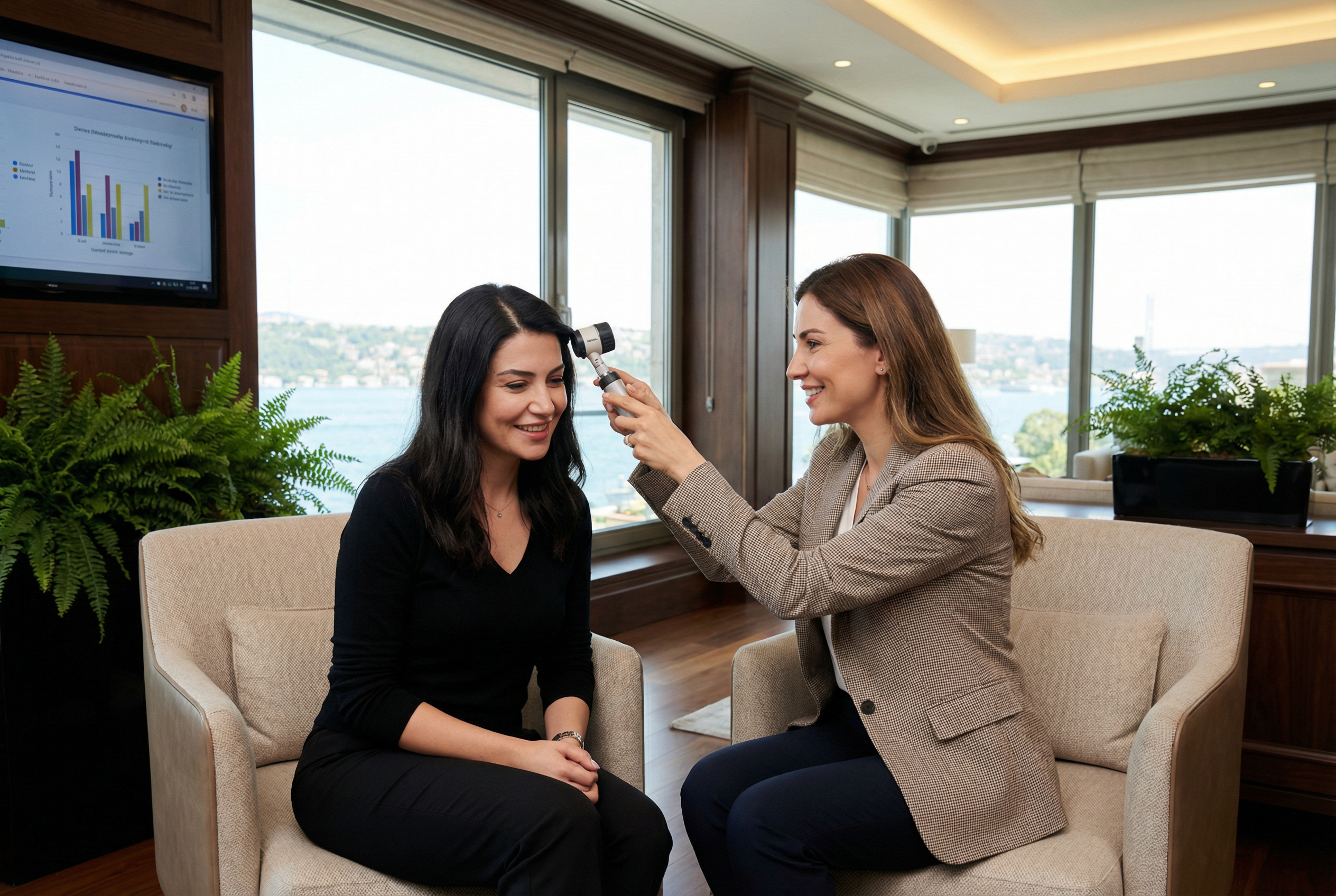 Some of the most reviewed clinics for women in Turkey include Cosmedica, Vera Clinic, and the clinic of Dr. Asli Tarcan, who is one of the few female hair transplant surgeons in the country. Doing thorough research and reading patient testimonials can provide valuable insights. For a deeper dive, you can read our