When considering a beard transplant, the
cost is often a significant factor. Turkey has become a global hub for hair restoration procedures, largely due to its competitive pricing and high-quality medical standards.
Beard Transplant in Turkey: $2,000 to $5,000 CAD
These packages are typically all-inclusive, covering the procedure, hotel accommodation (usually 3 nights in a 4 or 5-star hotel), airport transfers, medications, a PRP treatment, and all aftercare consultations. Some clinics even include a translator and a personal patient coordinator.
Beard Transplant in Canada: $10,000 to $18,000 CAD
This is for the procedure alone — accommodation, travel, and aftercare are additional costs. Wait times can also be significantly longer, as fewer Canadian clinics offer beard-specific transplants.
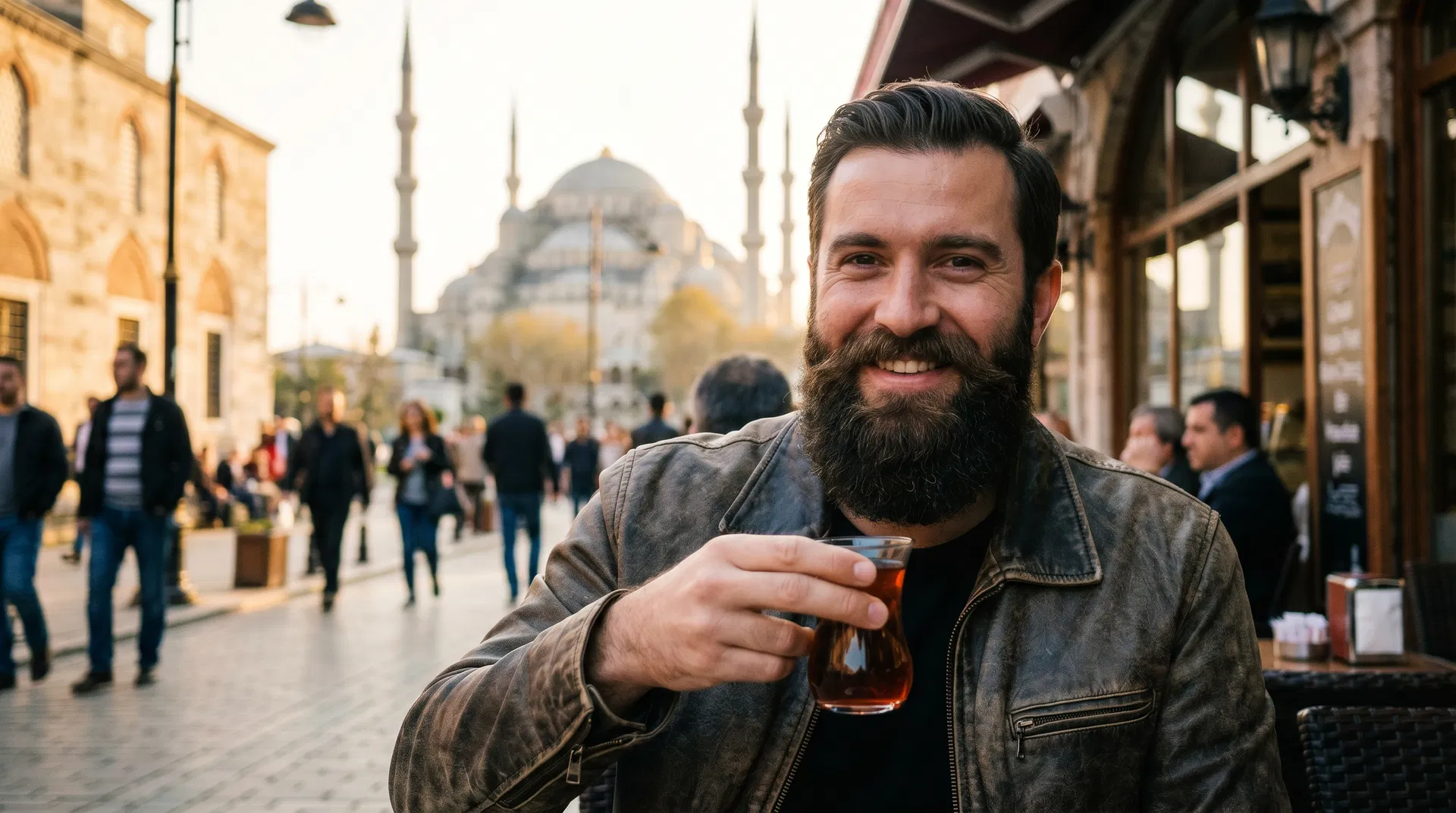
The savings are substantial. Even after factoring in a round-trip flight from Toronto or Montreal to Istanbul, you can save 50 to 70% by choosing Turkey. And because the Canadian dollar goes far in Turkey, your meals, transportation, and any sightseeing will cost a fraction of what you would spend at home.
For those looking to address both facial and scalp hair loss,
many clinics in Turkey offer the option to combine a beard and scalp transplant in a single trip, which can lead to further cost savings compared to undergoing two separate procedures.
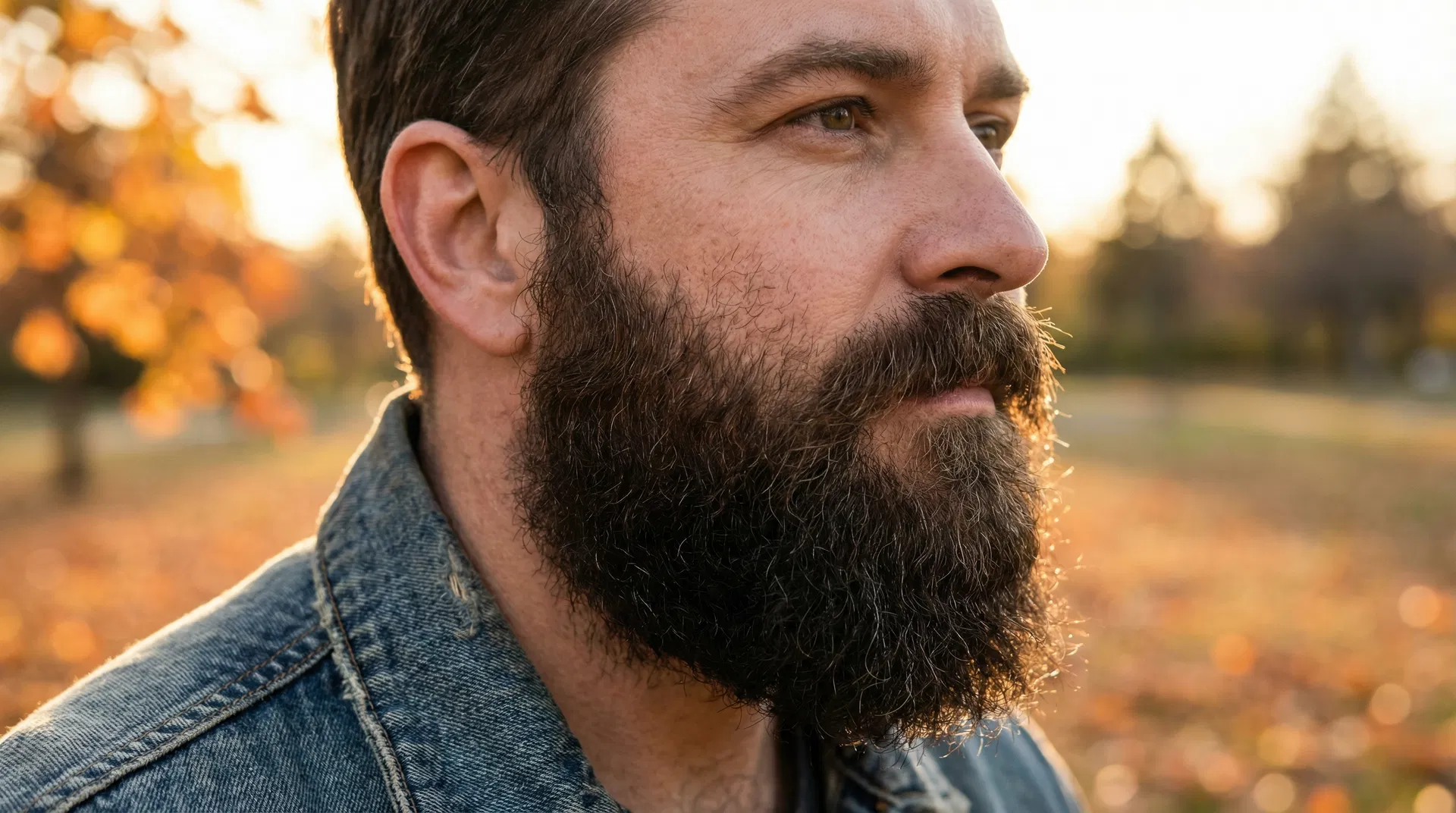
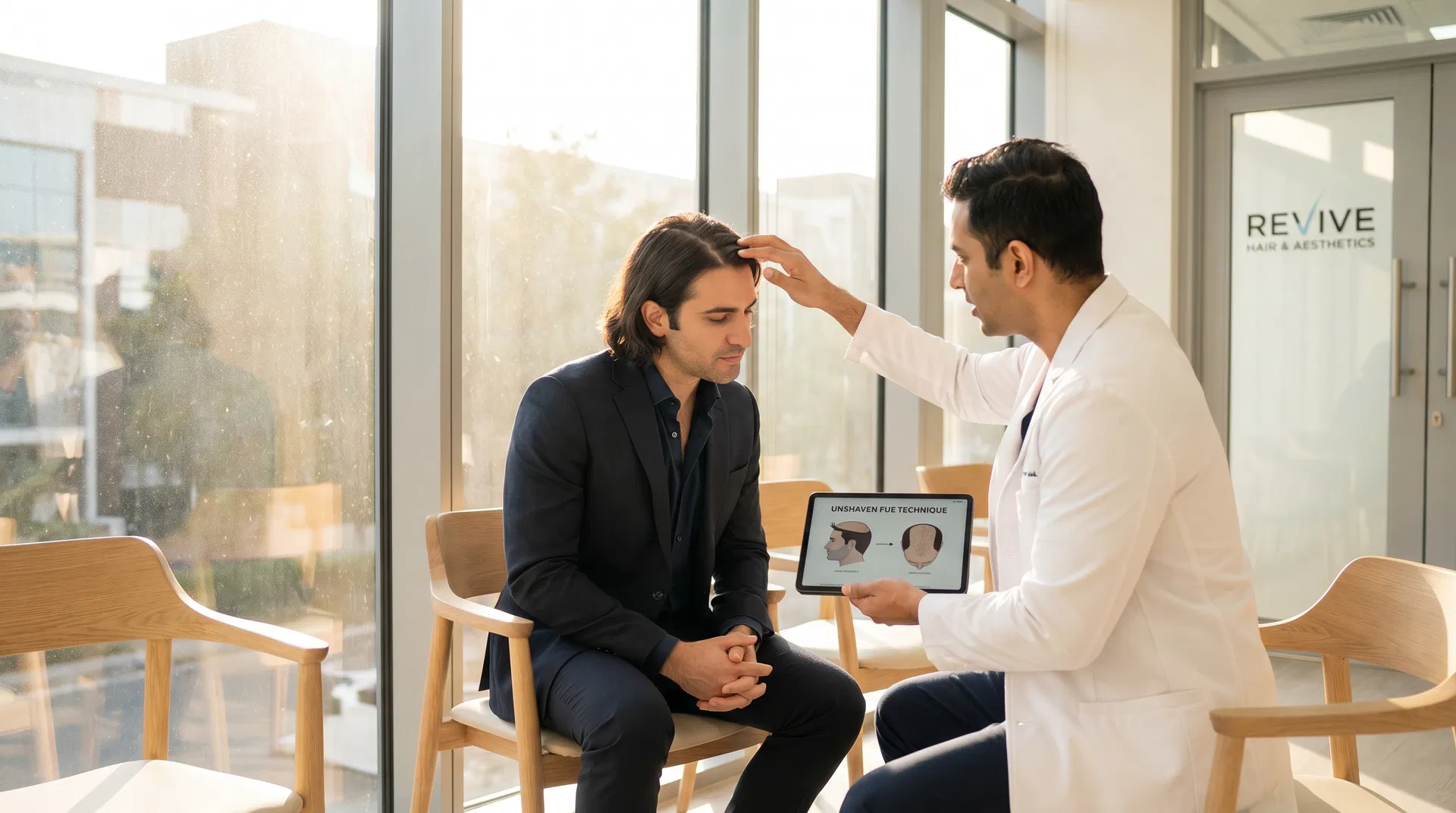
 A beard transplant is a specialized cosmetic procedure that uses techniques like Follicular Unit Extraction (FUE) or Direct Hair Implantation (DHI) to enhance facial hair. While it shares the same foundational principles as a traditional scalp hair transplant, the application is tailored to the unique characteristics of facial skin and hair. Surgeons harvest hair follicles, typically from the back of the scalp where the hair texture closely matches that of a natural beard, and meticulously implant them into areas of the face that are patchy, thin, or completely bare.
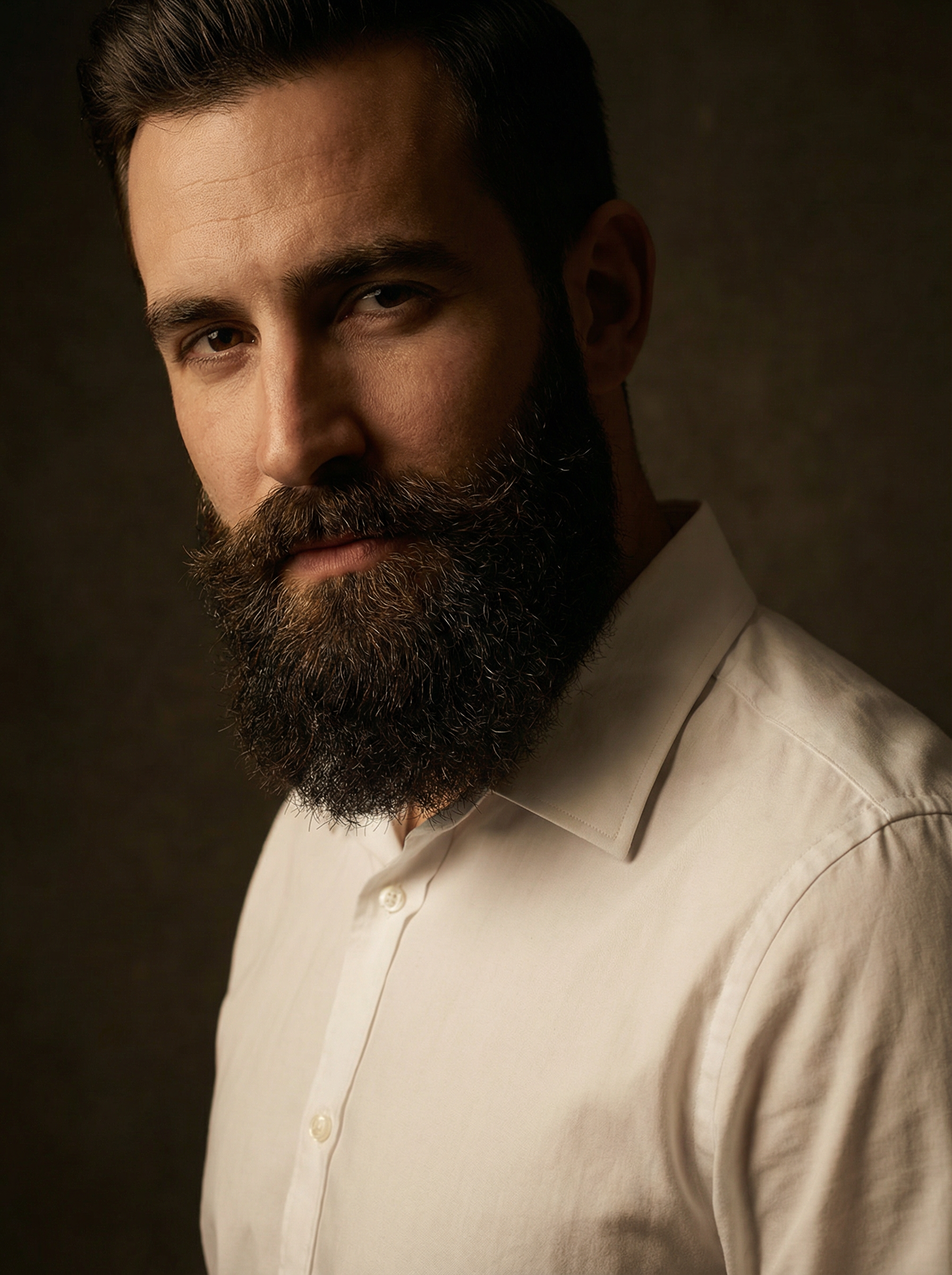
 This procedure is a versatile solution for a wide range of aesthetic goals. It can effectively address sparse or uneven beard growth, conceal scars from acne or past injuries, and create a fuller, more defined beard for those with naturally wispy facial hair. The number of grafts required can vary significantly, from as few as 1,000 to fill in minor patches to over 3,000 for constructing a full beard from scratch. The final number depends on the patient's desired density and the size of the treatment area.
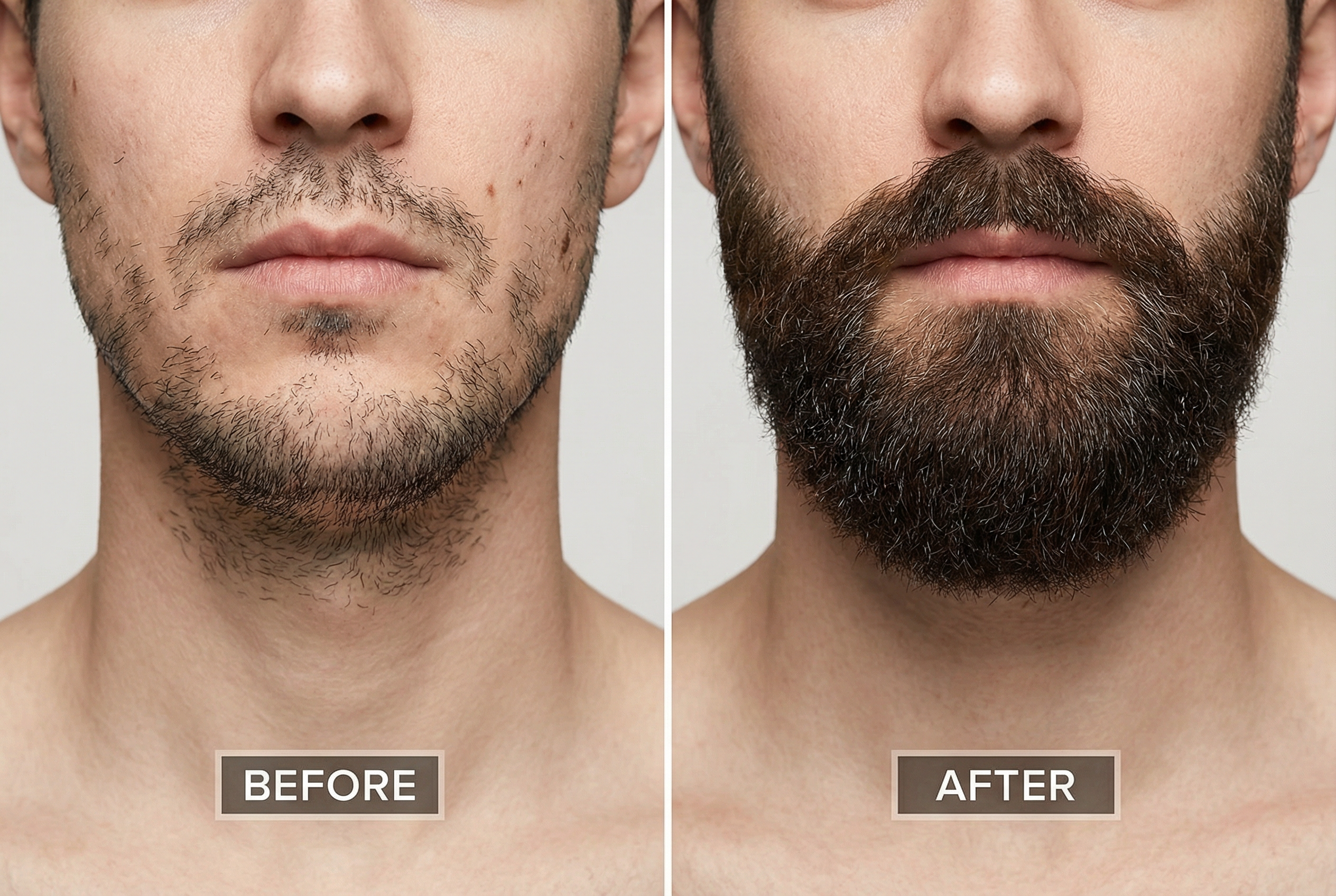 The best candidates are generally in good overall health, have a sufficient donor area on the back of the scalp, and have realistic expectations about the results. Age is not a major barrier — men from their early twenties to their fifties regularly undergo the procedure. However, if you are under 25, a surgeon may recommend waiting to see if your beard continues to develop naturally before committing to a transplant.
It is worth noting that beard transplants are not recommended for individuals with active skin conditions like severe acne or psoriasis in the treatment area, or those with alopecia areata, as the underlying condition may cause the transplanted hairs to fall out.
The best candidates are generally in good overall health, have a sufficient donor area on the back of the scalp, and have realistic expectations about the results. Age is not a major barrier — men from their early twenties to their fifties regularly undergo the procedure. However, if you are under 25, a surgeon may recommend waiting to see if your beard continues to develop naturally before committing to a transplant.
It is worth noting that beard transplants are not recommended for individuals with active skin conditions like severe acne or psoriasis in the treatment area, or those with alopecia areata, as the underlying condition may cause the transplanted hairs to fall out. The journey to a fuller beard follows a structured and precise process. Here is what you can expect on the day of your procedure:
1. Consultation and Design
The surgeon works closely with you to map out the ideal beard shape, define the hairline, and establish the desired density. This is a collaborative process — the surgeon will consider your facial structure, skin tone, and existing hair growth patterns to create a design that looks completely natural. You will approve the final design before anything begins.
2. Local Anaesthesia
The donor area (back of the scalp) and the recipient area (face) are numbed with local anaesthesia. Most clinics in Turkey now use needle-free anaesthesia systems that minimize discomfort. You will be fully awake and comfortable throughout the procedure.
The journey to a fuller beard follows a structured and precise process. Here is what you can expect on the day of your procedure:
1. Consultation and Design
The surgeon works closely with you to map out the ideal beard shape, define the hairline, and establish the desired density. This is a collaborative process — the surgeon will consider your facial structure, skin tone, and existing hair growth patterns to create a design that looks completely natural. You will approve the final design before anything begins.
2. Local Anaesthesia
The donor area (back of the scalp) and the recipient area (face) are numbed with local anaesthesia. Most clinics in Turkey now use needle-free anaesthesia systems that minimize discomfort. You will be fully awake and comfortable throughout the procedure.
 3. Graft Extraction
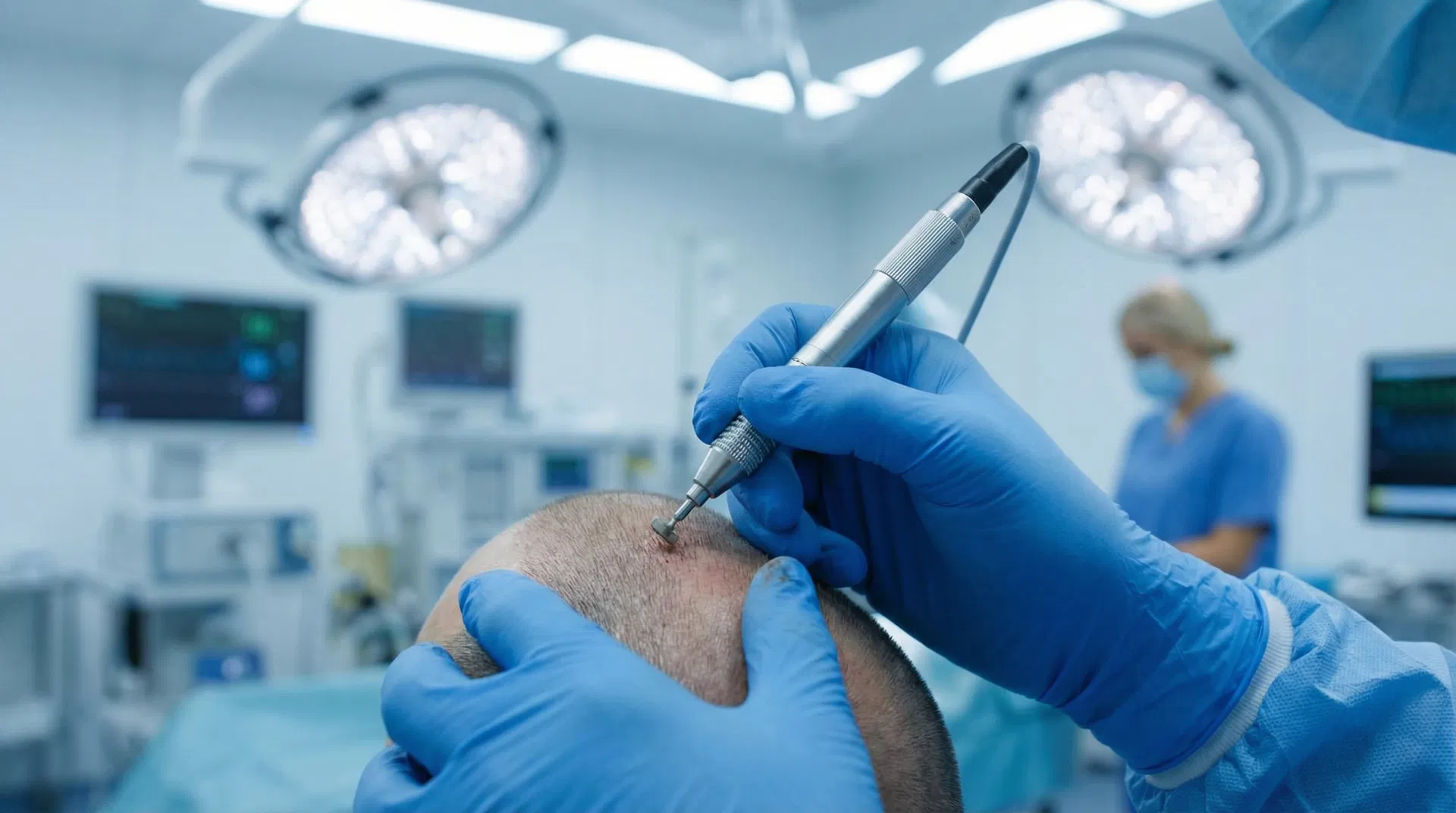
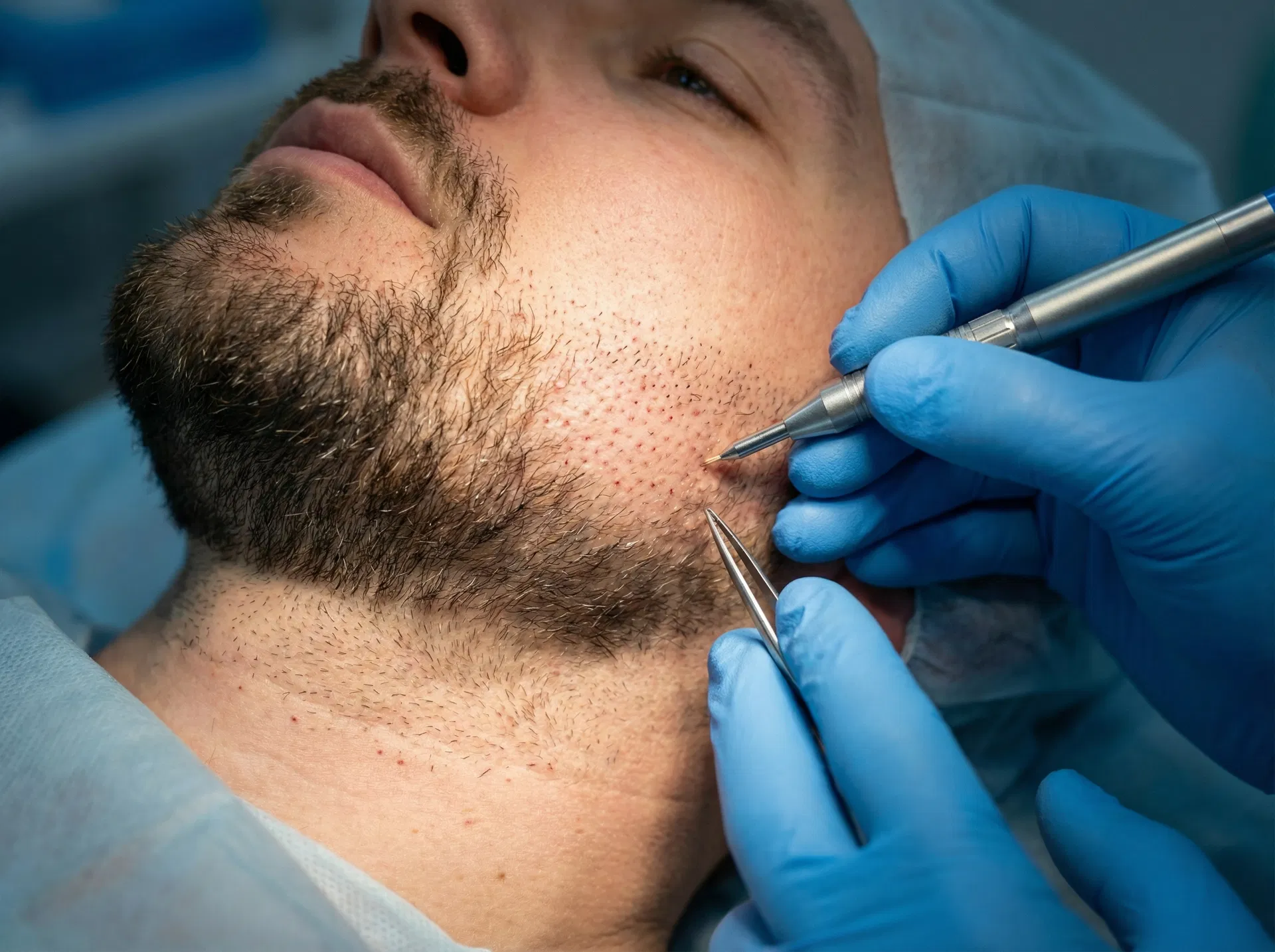
Using a specialized micro-motor with a tiny punch tool (typically 0.6 to 0.8mm in diameter), the surgeon extracts individual hair follicles from the donor area. Each graft is carefully harvested to ensure its viability for transplantation. The donor area is small and easily concealed by surrounding hair.
4. Graft Implantation
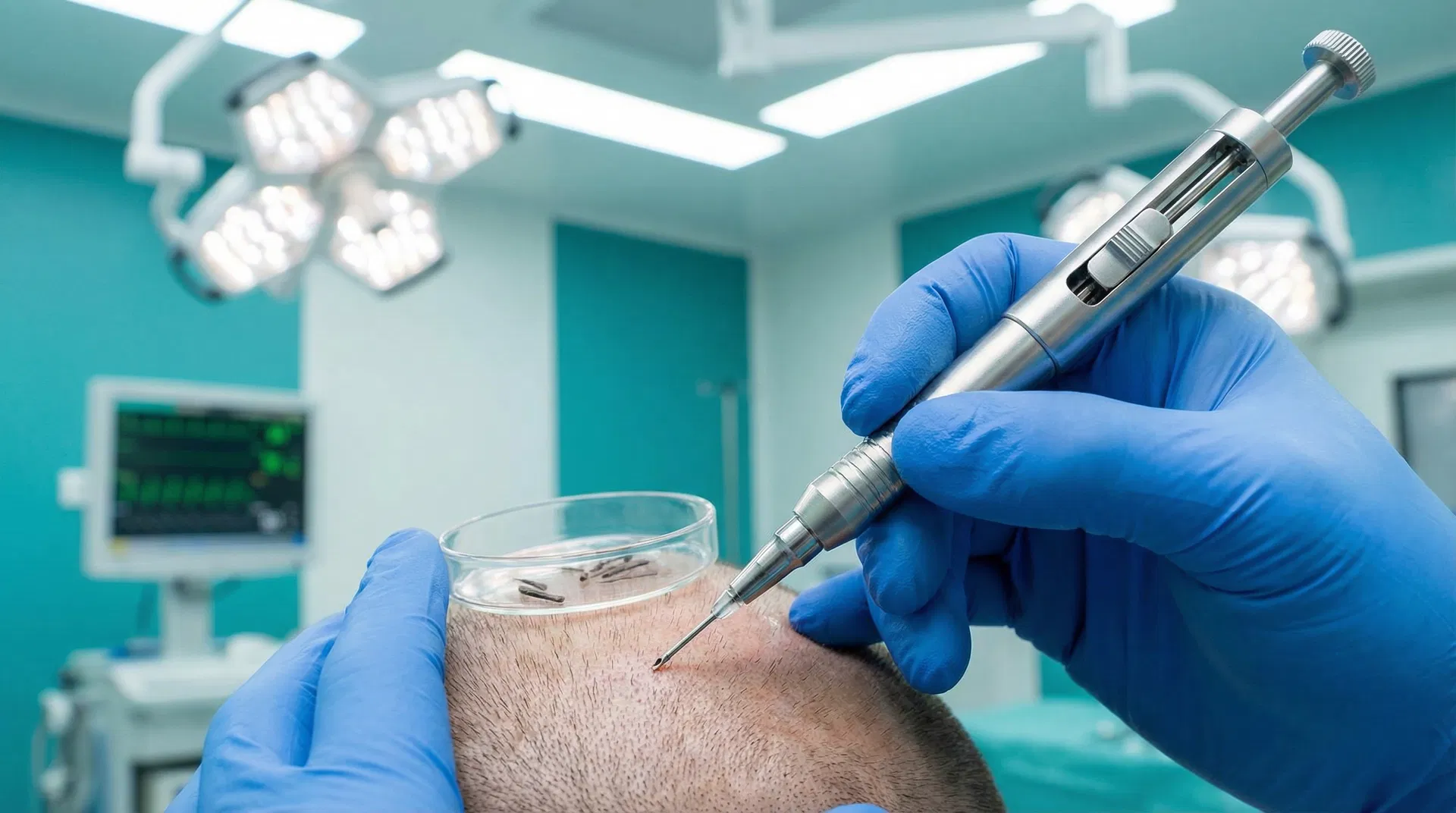
This is the most critical and artistically demanding phase. Surgeons must place each graft at a very precise angle — typically between 10 to 20 degrees — to mimic the flat, natural growth pattern of beard hair. This is significantly different from scalp hair, which grows at a steeper 40 to 45-degree angle. For this reason, many surgeons prefer the DHI method for beard transplants, as the Choi implanter pen offers superior control over the angle, depth, and direction of each graft.
5. Completion and Aftercare Briefing
The entire procedure takes four to eight hours depending on the number of grafts. Afterward, the surgical team will provide detailed aftercare instructions, prescribe any necessary medications, and schedule a follow-up check before you leave Turkey.
Interested in a beard transplant in Turkey? Contact our team today for a FREE consultation!
3. Graft Extraction
Using a specialized micro-motor with a tiny punch tool (typically 0.6 to 0.8mm in diameter), the surgeon extracts individual hair follicles from the donor area. Each graft is carefully harvested to ensure its viability for transplantation. The donor area is small and easily concealed by surrounding hair.
4. Graft Implantation
This is the most critical and artistically demanding phase. Surgeons must place each graft at a very precise angle — typically between 10 to 20 degrees — to mimic the flat, natural growth pattern of beard hair. This is significantly different from scalp hair, which grows at a steeper 40 to 45-degree angle. For this reason, many surgeons prefer the DHI method for beard transplants, as the Choi implanter pen offers superior control over the angle, depth, and direction of each graft.
5. Completion and Aftercare Briefing
The entire procedure takes four to eight hours depending on the number of grafts. Afterward, the surgical team will provide detailed aftercare instructions, prescribe any necessary medications, and schedule a follow-up check before you leave Turkey.
Interested in a beard transplant in Turkey? Contact our team today for a FREE consultation! Weeks 2 to 4: Shock Loss
A crucial phase known as 'shock loss' occurs where the newly transplanted hairs fall out. This is completely normal and expected. It does not mean the procedure has failed — the follicles are alive beneath the skin and preparing to produce new growth.
Months 3 to 6: New Growth Begins
You will start to see the first signs of new beard hair emerging. The hairs will initially be fine and light, but they will gradually thicken and darken over time.
Months 8 to 12: Full Results
The full, final results of your beard transplant will be visible. This new hair is permanent and can be shaved, trimmed, and styled just like a natural beard. For those interested in the technical aspects of hair restoration,
Weeks 2 to 4: Shock Loss
A crucial phase known as 'shock loss' occurs where the newly transplanted hairs fall out. This is completely normal and expected. It does not mean the procedure has failed — the follicles are alive beneath the skin and preparing to produce new growth.
Months 3 to 6: New Growth Begins
You will start to see the first signs of new beard hair emerging. The hairs will initially be fine and light, but they will gradually thicken and darken over time.
Months 8 to 12: Full Results
The full, final results of your beard transplant will be visible. This new hair is permanent and can be shaved, trimmed, and styled just like a natural beard. For those interested in the technical aspects of hair restoration,