One of the pleasant surprises for patients traveling to Turkey is how well the local cuisine aligns with recovery needs. Turkish food is fresh, flavorful, and packed with the nutrients your body is craving.
The Perfect Recovery Breakfast: The traditional Turkish breakfast, or *kahvaltı*, is a perfect start to your day. It typically features a spread of eggs (protein), cheeses (protein, calcium), fresh tomatoes and cucumbers (vitamins), olives (healthy fats), and whole-grain bread. It’s a balanced meal that covers all your nutritional bases.
Nourishing Lunches and Dinners: For your main meals, focus on grilled meats (*kebabs*) or fish, which provide high-quality protein. Soups, especially lentil soup (*mercimek çorbası*), are hydrating and nutritious. Accompany your meals with fresh salads (*salata*) to boost your vitamin intake.
Smart Snacking and Hydration: Between meals, snack on fresh fruits and nuts like walnuts and almonds, which are rich in omega-3s and zinc. Turkish yogurt (*yoğurt*) is another excellent, protein-rich option. Hydration is paramount for healing; drink at least two to three litres of water daily. While Turkish tea and coffee are staples, consume them in moderation due to the caffeine content. It is crucial to completely avoid alcohol for at least the first five to seven days after your surgery to prevent swelling and dehydration. For more tips on your recovery journey,
read more.
Reach out and we'll connect you with clinics that provide comprehensive dietary guidance.
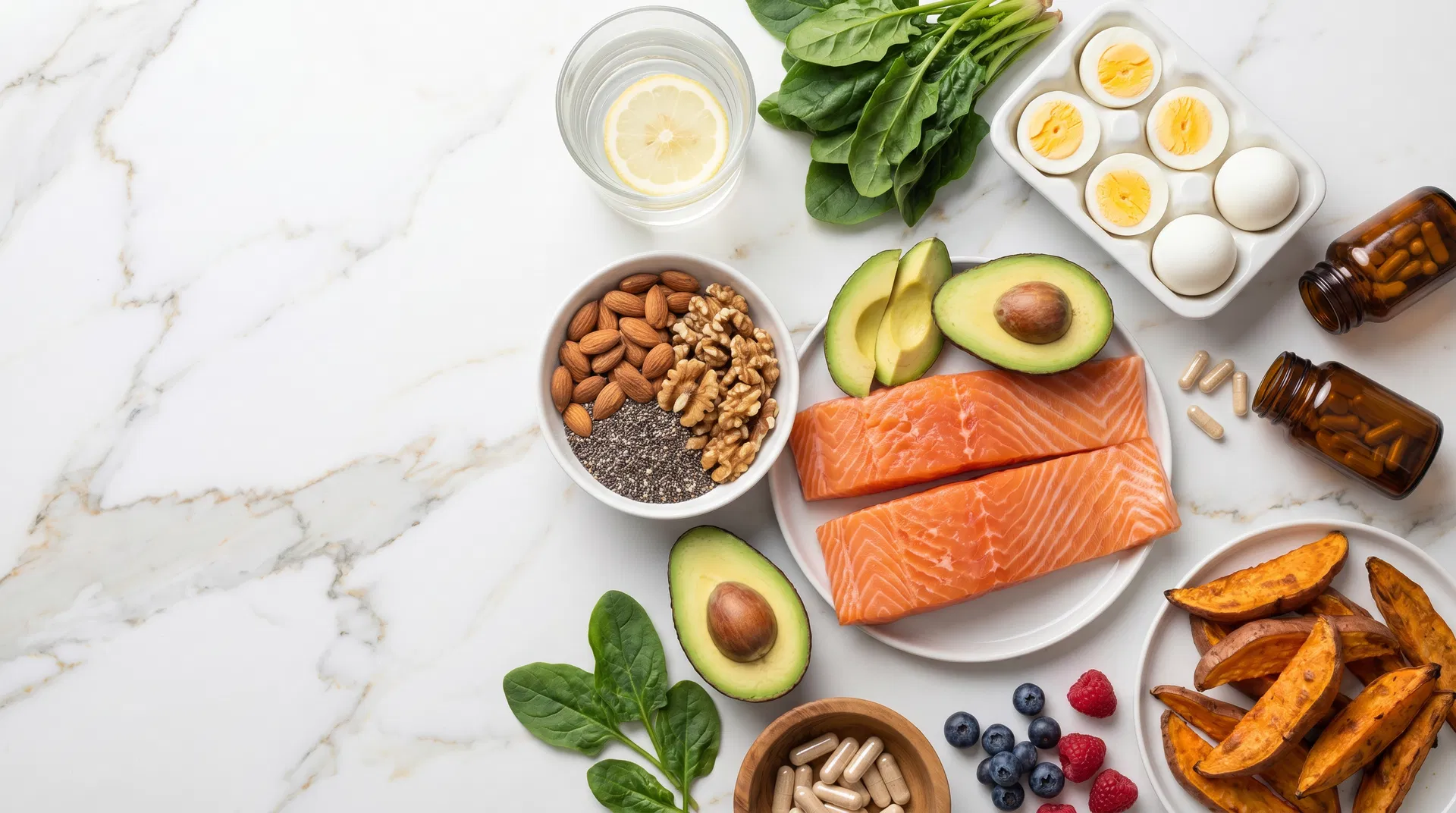 A hair transplant is a significant investment in your appearance and confidence, and for Canadians who have travelled to Turkey for the procedure, proper nutrition is a critical factor in protecting that investment. Think of your body as a garden; the transplanted hair follicles are the new seeds. For these seeds to sprout and flourish, the soil must be rich in nutrients. The surgical procedure, although minimally invasive, places stress on your body, increasing its demand for specific vitamins, minerals, and proteins to repair tissues and regenerate cells. The transplanted follicles are delicate and require an optimal environment to anchor securely and begin the growth cycle.
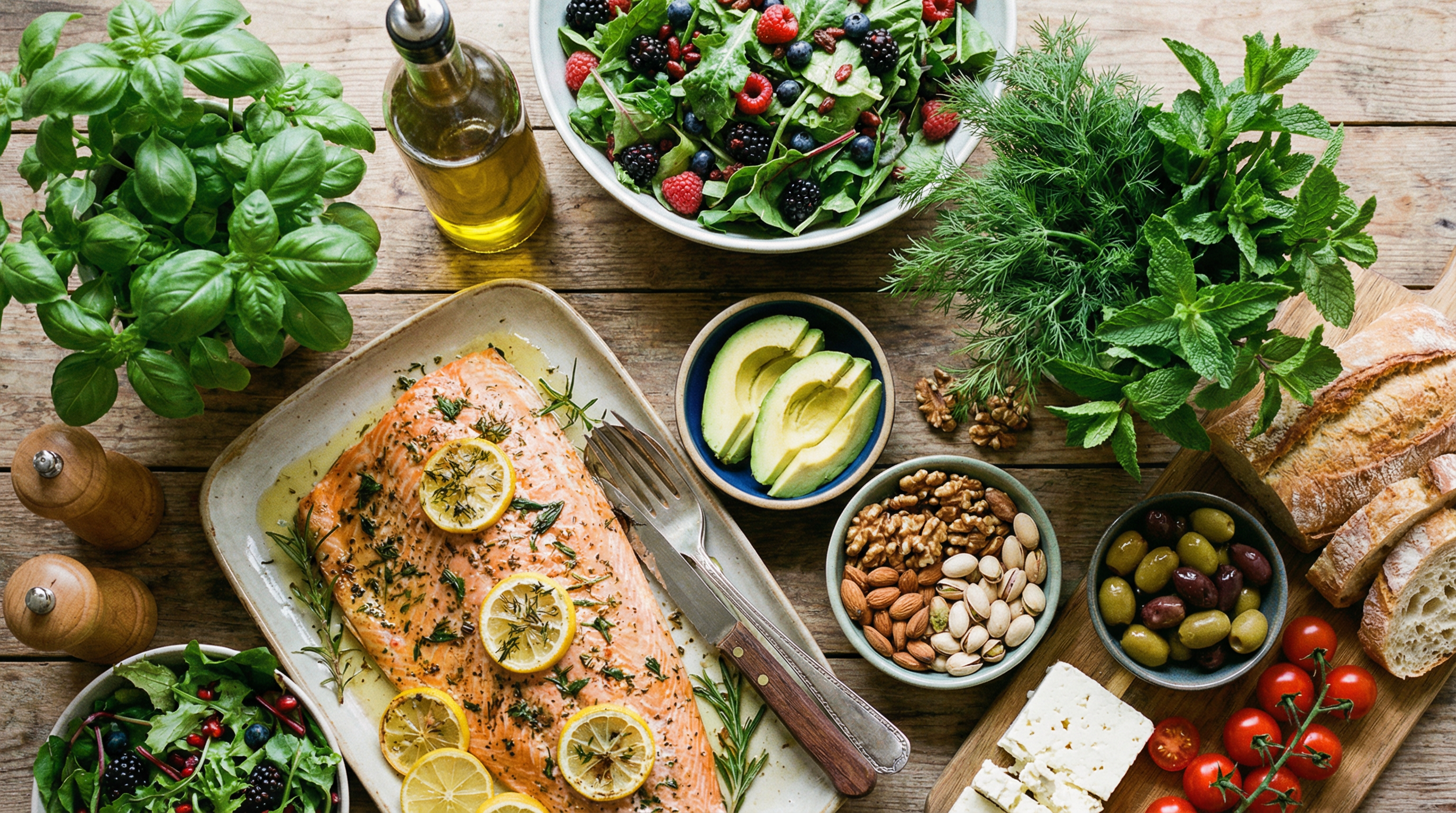 Scientific studies have highlighted the connection between nutritional status and surgical outcomes. Deficiencies in key nutrients like iron, zinc, and protein can directly impair wound healing and have been shown to reduce graft survival rates by a significant margin. Conversely, a well-formulated diet can not only prevent these complications but also accelerate the healing process, minimize shedding, and improve the thickness and quality of your new hair. This guide provides a detailed roadmap for your nutritional journey, covering the essential foods and supplements to focus on before you travel, during your stay in Turkey, and long after you return home.
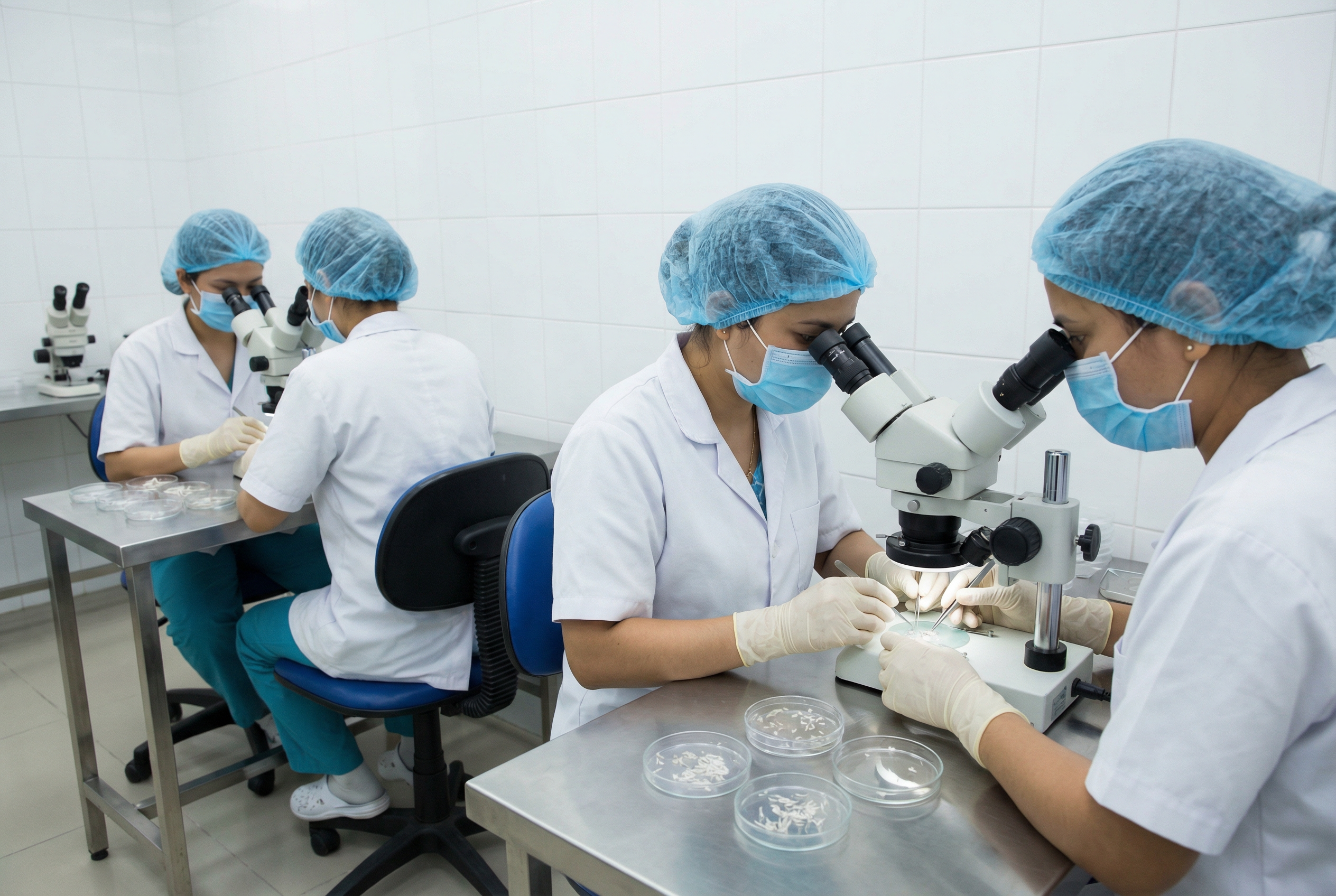 Sustained Protein Intake: Continue to prioritize protein for at least three months post-op to provide the building blocks for strong hair shafts.
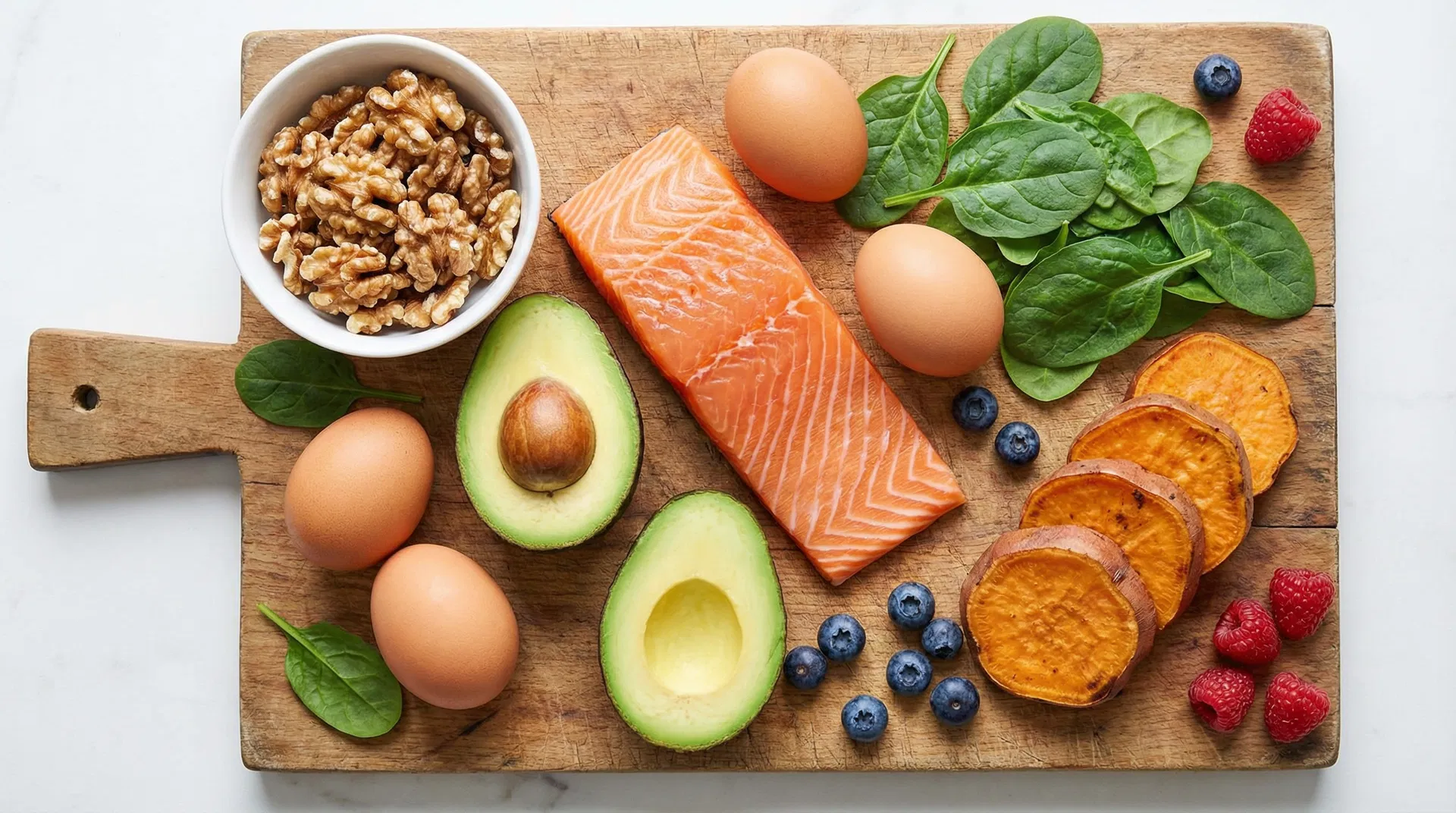
Healthy Fats for Shine and Strength: After the initial two-week healing period, you can reintroduce fish oil supplements. Additionally, consuming fatty fish like salmon and mackerel two to three times a week provides omega-3 fatty acids, which help reduce inflammation and nourish the scalp.
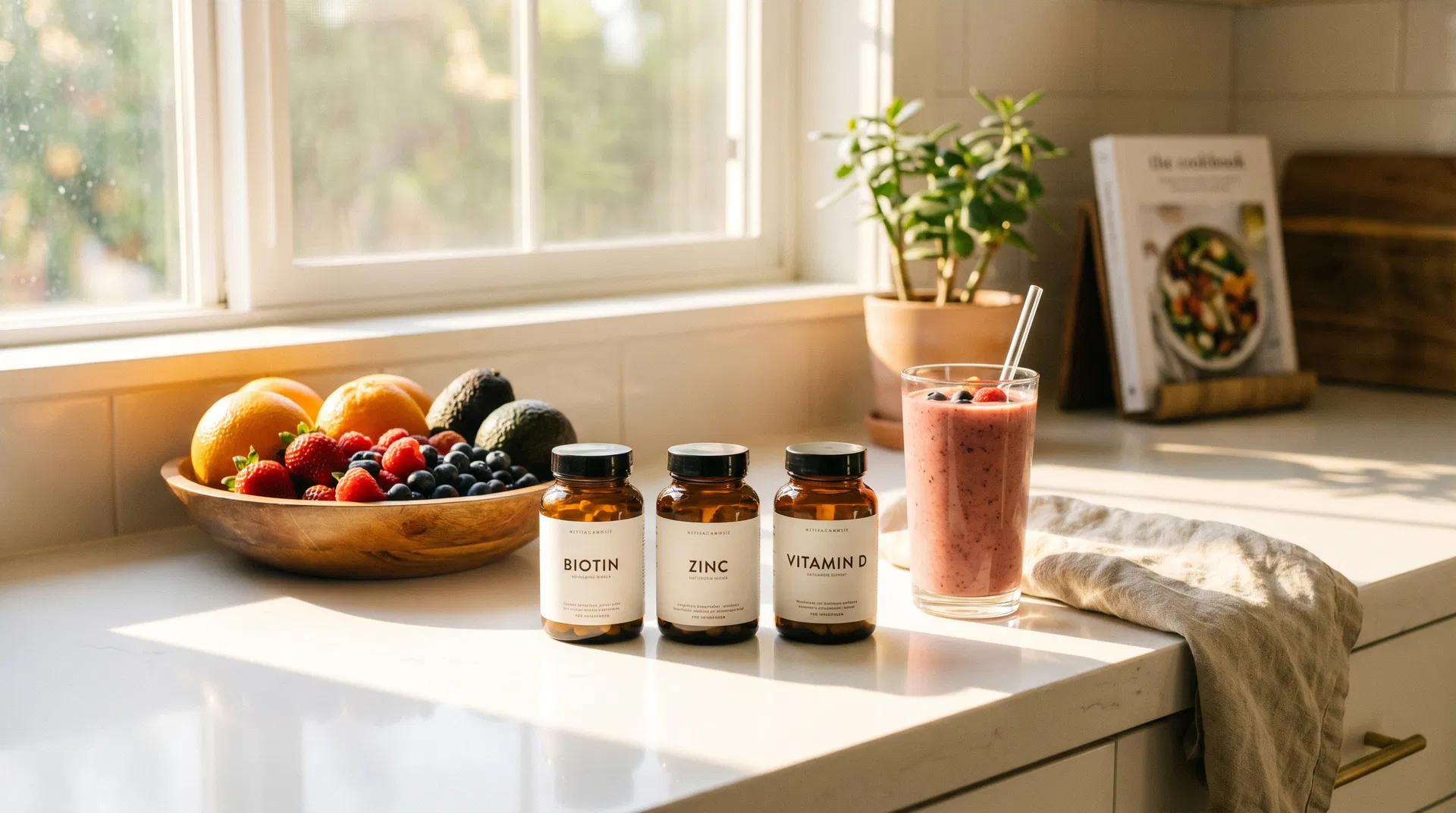
Essential Vitamins and Minerals: Vitamin D is particularly important for those living in less sunny climates, as it plays a role in activating new hair follicles. A daily supplement of 2,000 to 4,000 IU is often recommended. Continue to eat a rainbow of fruits and vegetables, especially green leafy ones like spinach and kale, for a broad spectrum of vitamins and minerals. For those interested in the financial aspects of this journey,
Sustained Protein Intake: Continue to prioritize protein for at least three months post-op to provide the building blocks for strong hair shafts.
Healthy Fats for Shine and Strength: After the initial two-week healing period, you can reintroduce fish oil supplements. Additionally, consuming fatty fish like salmon and mackerel two to three times a week provides omega-3 fatty acids, which help reduce inflammation and nourish the scalp.
Essential Vitamins and Minerals: Vitamin D is particularly important for those living in less sunny climates, as it plays a role in activating new hair follicles. A daily supplement of 2,000 to 4,000 IU is often recommended. Continue to eat a rainbow of fruits and vegetables, especially green leafy ones like spinach and kale, for a broad spectrum of vitamins and minerals. For those interested in the financial aspects of this journey,