The total number of grafts available from the donor area over a person's lifetime is finite. For most men, this lifetime supply ranges from 5,000 to 8,000 grafts, though this number can be higher or lower based on individual genetics and hair characteristics. It is crucial to view this supply as a precious resource that must be managed wisely for the long term.
This total is not extracted in a single procedure. Instead, it is typically spread out over multiple sessions to ensure the donor area is not depleted.
-
First Session: Commonly involves the extraction of 2,000 to 4,500 grafts to address the most significant areas of hair loss.
-
Second Session: If needed, a second procedure may be performed 12 to 18 months later, yielding an additional 1,500 to 3,000 grafts.
-
Further Sessions: Subsequent smaller sessions of 1,000 to 2,000 grafts might be possible for future touch-ups.
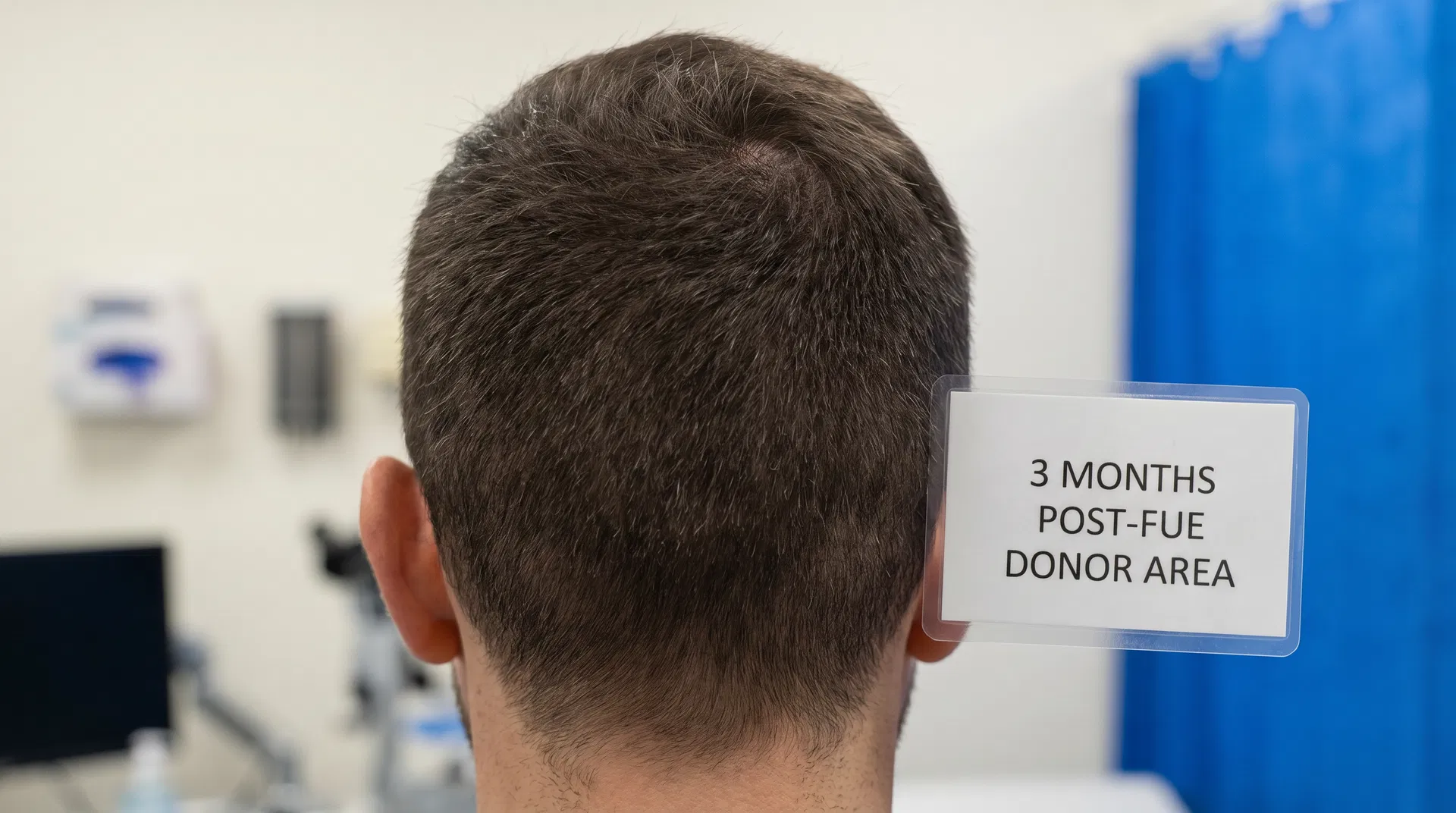
Have concerns about your donor area? Send us a few photos for a free assessment — we'll let you know what's realistically achievable.
One of the biggest risks in hair transplantation is
over-harvesting. This occurs when too many follicles are removed, leading to a thin, patchy, or 'moth-eaten' appearance on the back and sides of the head. This is an irreversible mistake and a clear sign of an aggressive or inexperienced clinic. A reputable surgeon will always prioritize the long-term health of your donor area over extracting the maximum number of grafts in one go. For more information on what to expect,
read full details.
In situations where the scalp donor supply is insufficient, some clinics may suggest using Body Hair Transplant (BHT). Hair from the beard or chest can be used to supplement scalp hair, but it's important to understand that body hair has a different texture, growth rate, and lifecycle. It is often considered a secondary option for adding density behind the hairline rather than for creating the hairline itself.
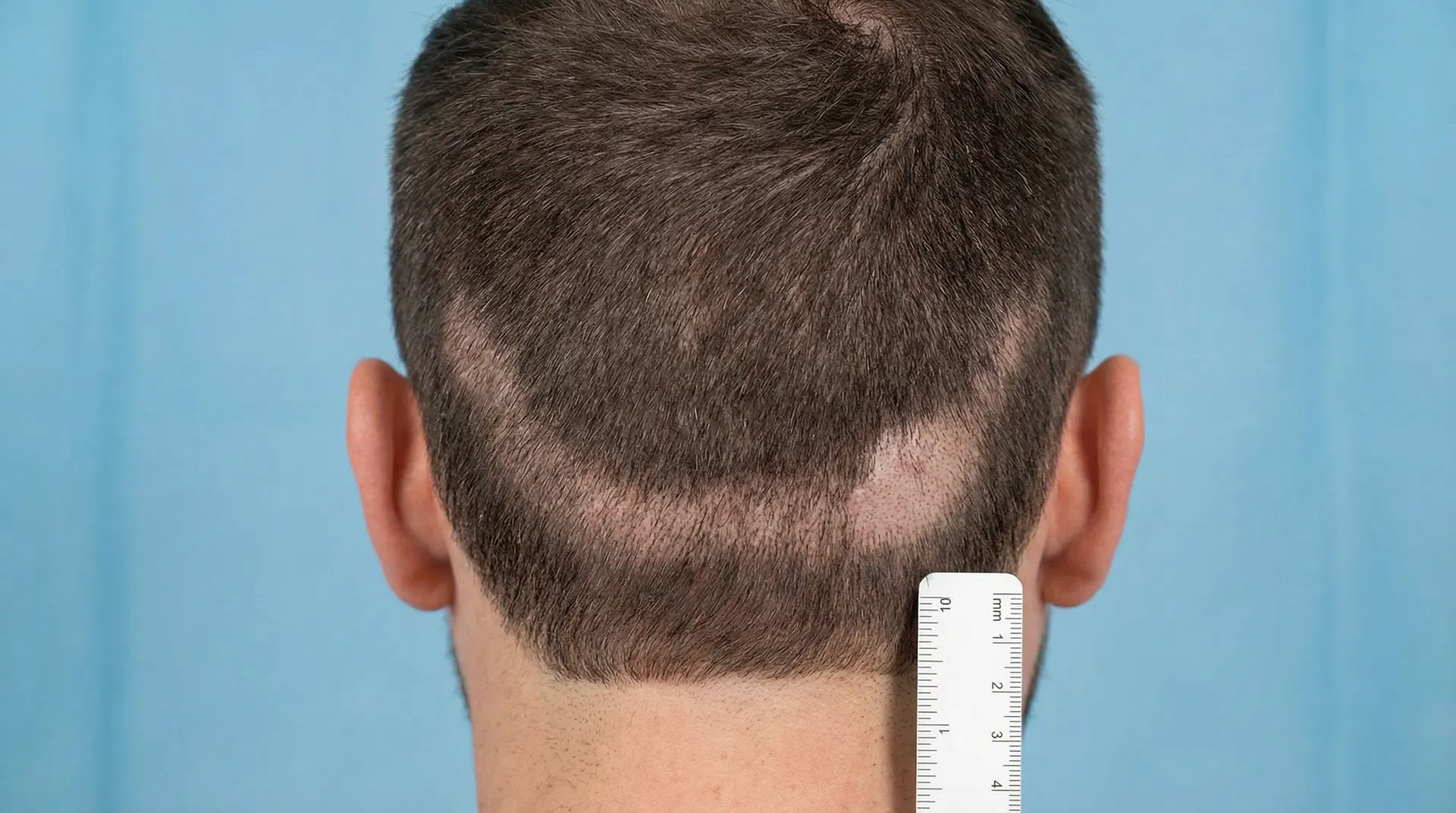
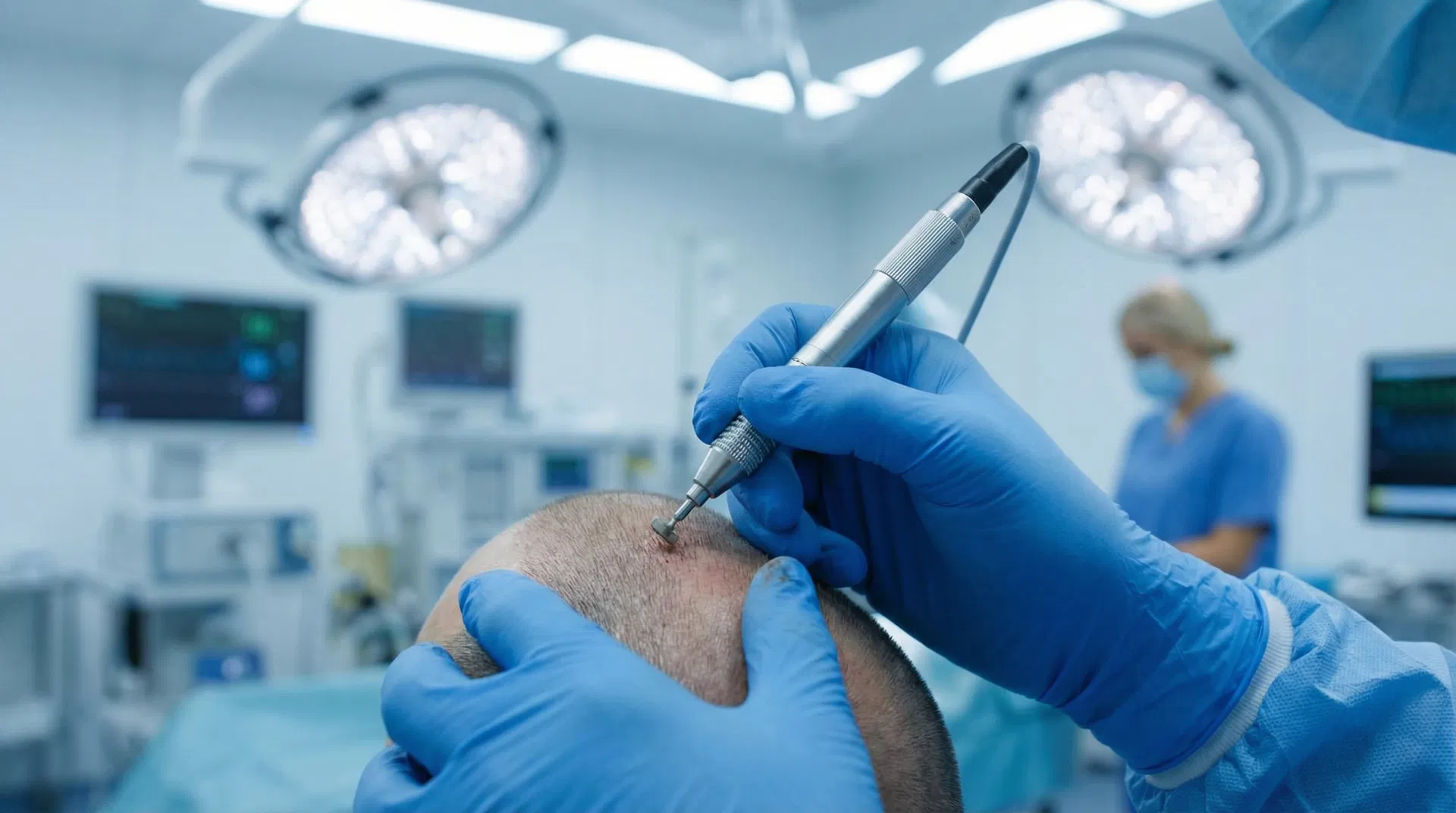
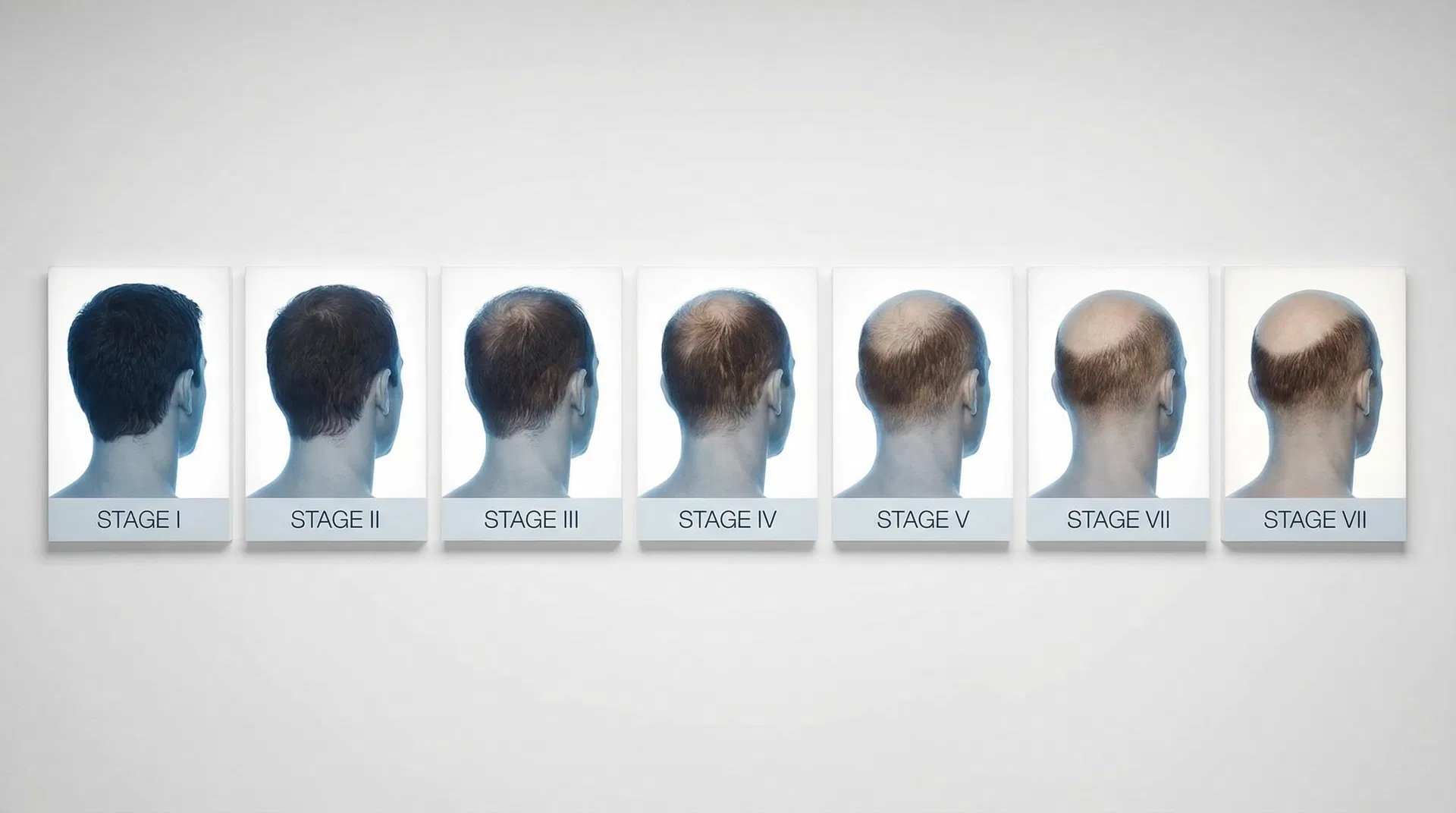
 The donor area is the specific region of your scalp from which hair follicles are harvested for a hair transplant procedure. This zone is typically located on the back and sides of the head, forming a horseshoe-shaped pattern that often remains dense even in cases of advanced male pattern baldness.
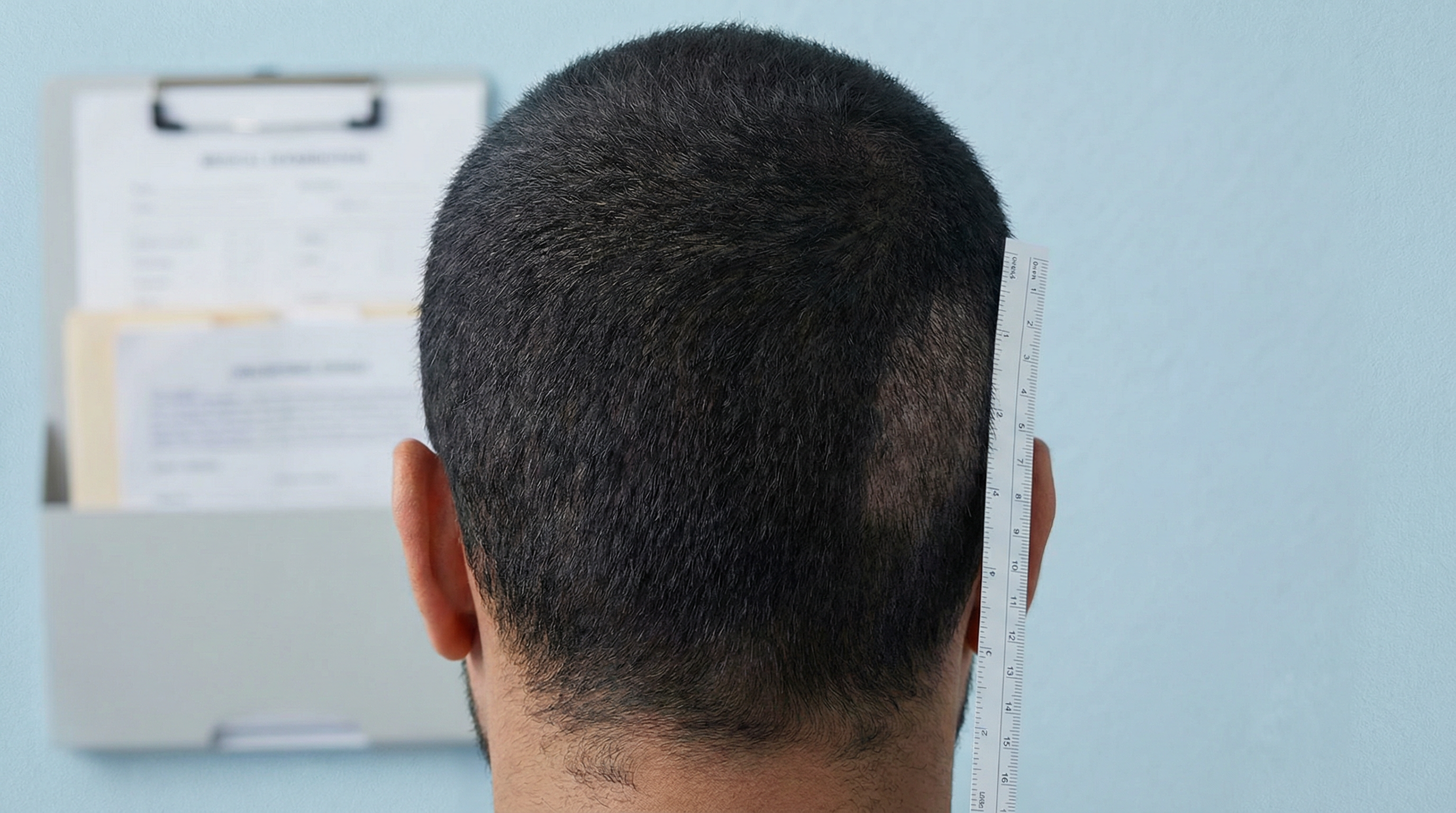 The resilience of this hair is its most critical feature. Follicles in the donor area are genetically programmed to be resistant to the effects of Dihydrotestosterone (DHT), the primary hormone responsible for androgenetic alopecia. When these robust follicles are carefully extracted and transplanted to thinning or balding areas, they carry their genetic resistance with them, allowing them to grow permanently in their new location.
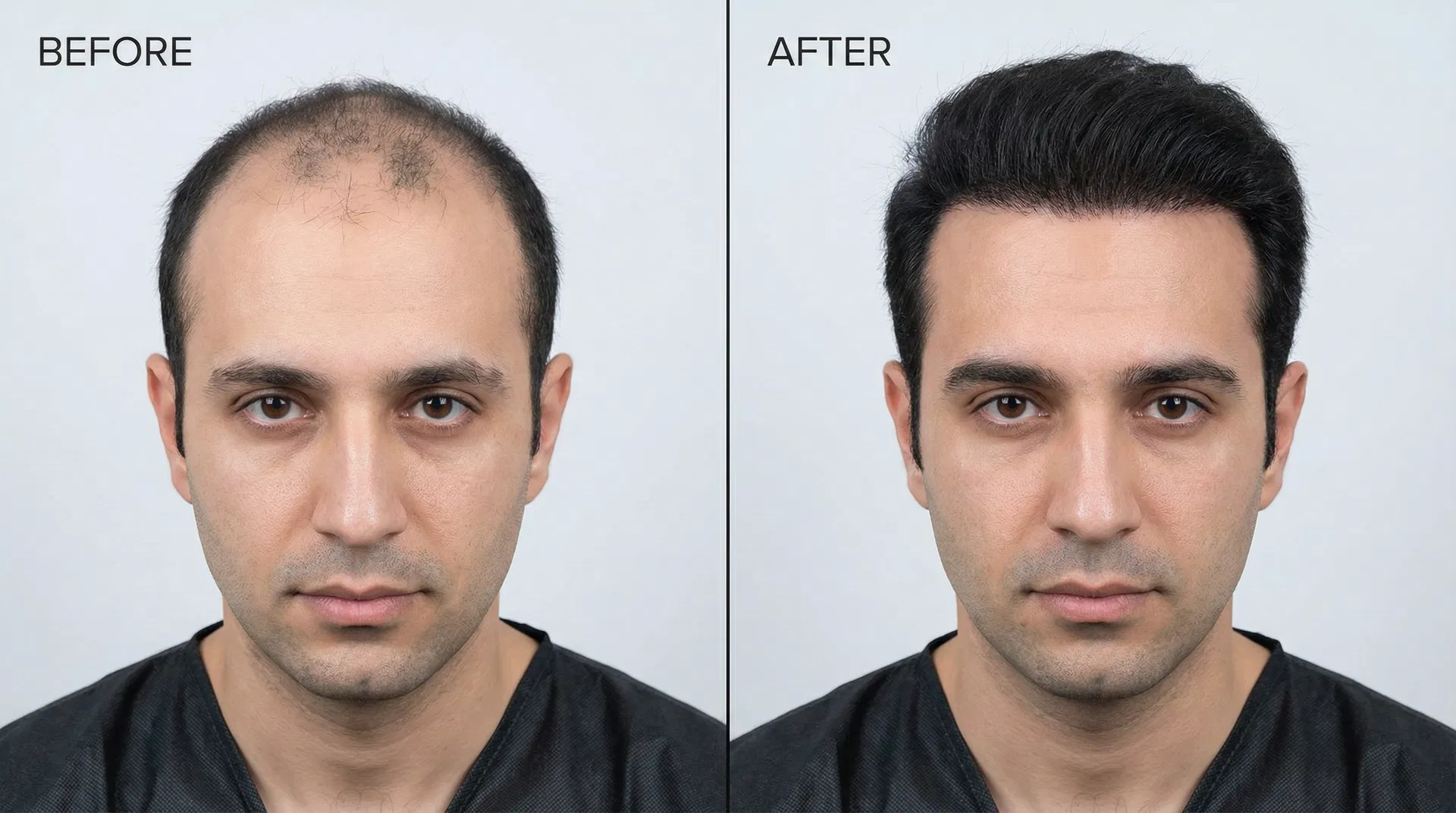
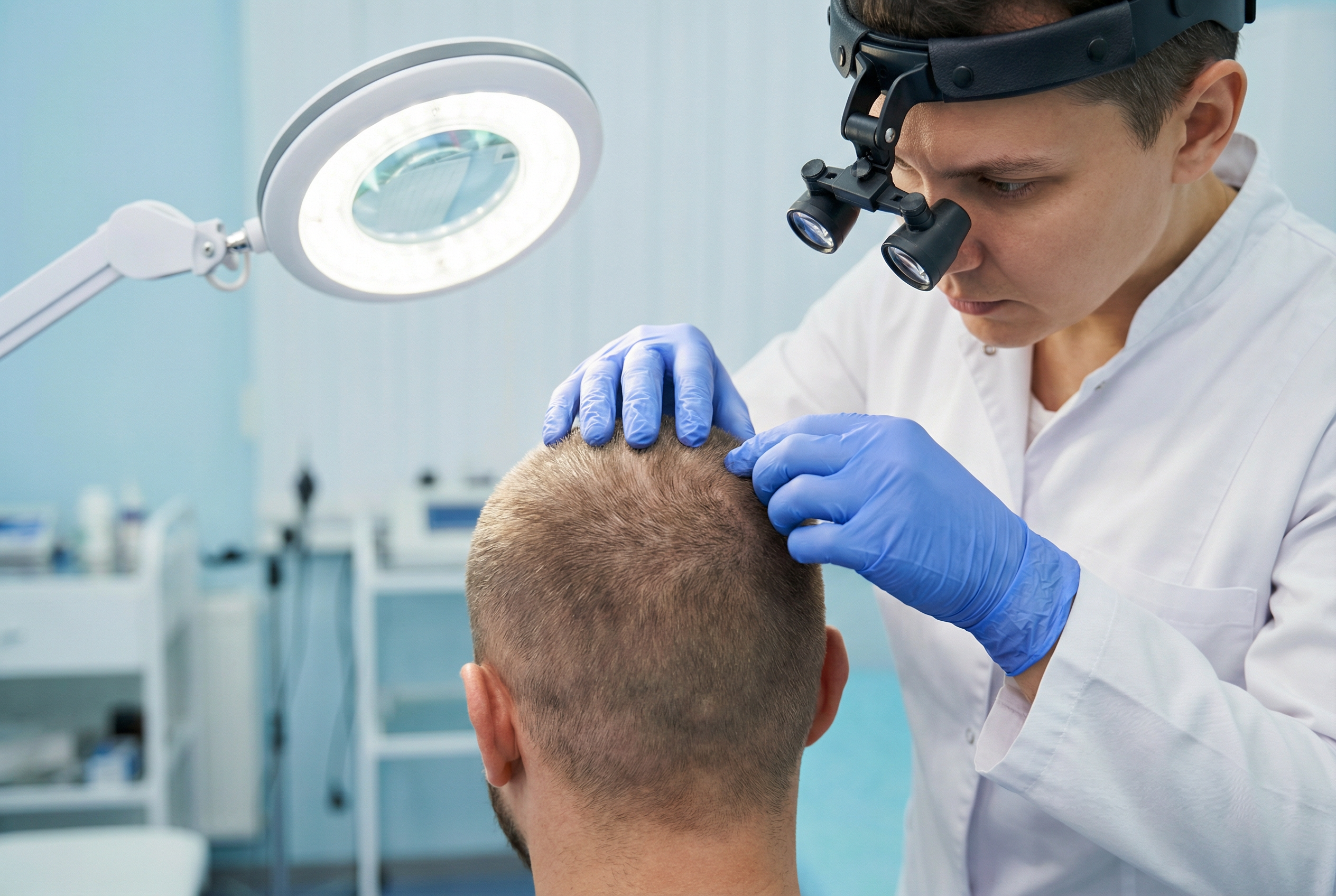
Because this supply of donor hair is finite, its quality, density, and overall size are the most crucial factors in determining the potential outcome of your hair transplant. A thorough and professional assessment of your donor area is the first step toward achieving a natural and lasting result.
The resilience of this hair is its most critical feature. Follicles in the donor area are genetically programmed to be resistant to the effects of Dihydrotestosterone (DHT), the primary hormone responsible for androgenetic alopecia. When these robust follicles are carefully extracted and transplanted to thinning or balding areas, they carry their genetic resistance with them, allowing them to grow permanently in their new location.
Because this supply of donor hair is finite, its quality, density, and overall size are the most crucial factors in determining the potential outcome of your hair transplant. A thorough and professional assessment of your donor area is the first step toward achieving a natural and lasting result.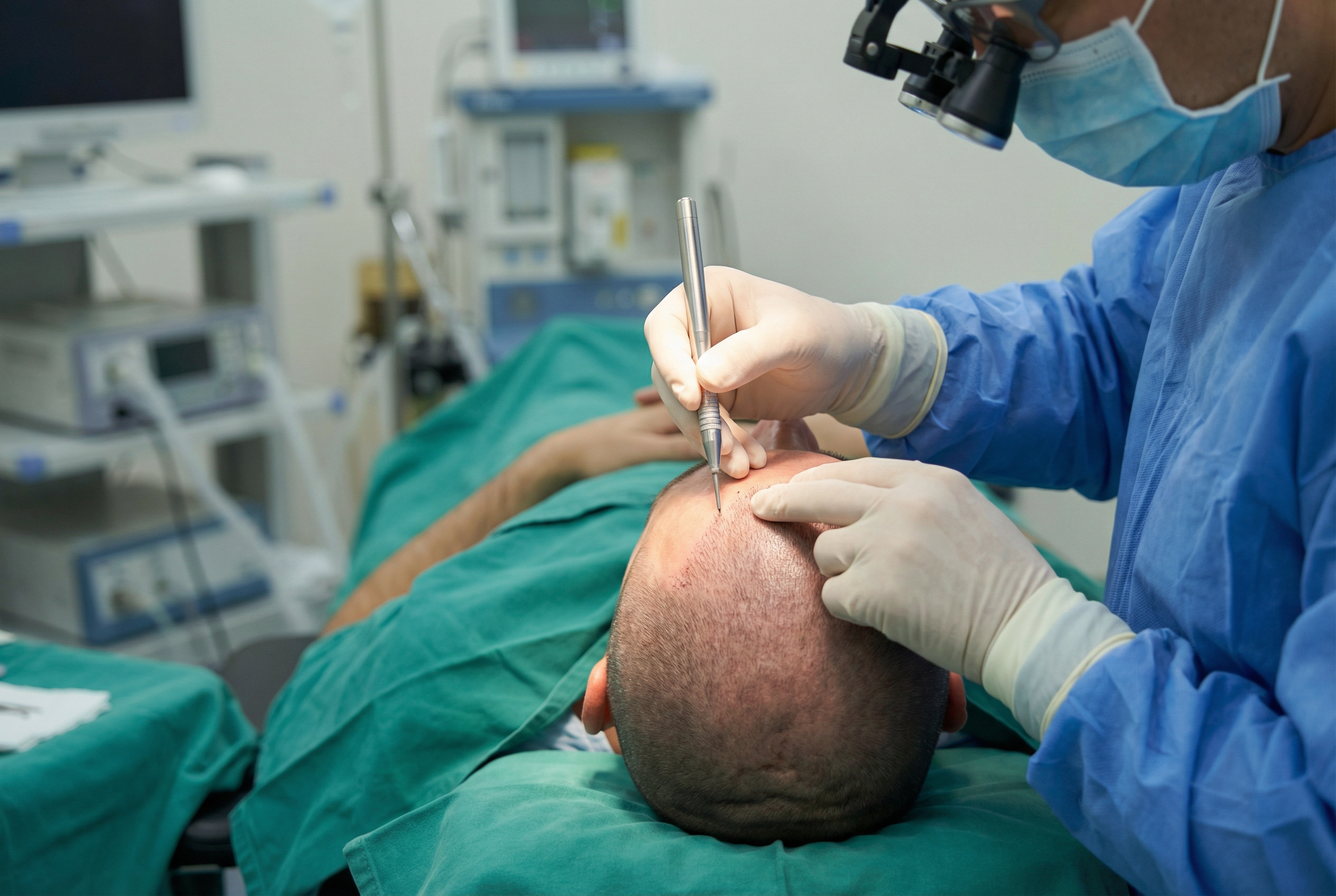 Here are some key strategies for preserving your donor supply:
- Choose a Conservative Surgeon: Select a surgeon and clinic with a proven track record of prioritizing the long-term health of the donor area. Look for clinics that create a personalized, sustainable plan rather than promising the highest graft count.
- Avoid the 'Maximum Grafts' Trap: Be wary of clinics that use 'unlimited grafts' or 'maximum grafts in one session' as a primary selling point. This can be a red flag for aggressive harvesting practices that can lead to permanent donor depletion. True expertise lies in achieving the best aesthetic result with the most efficient use of grafts.
- Consider Medical Therapy: Medications like finasteride and minoxidil can be highly effective at slowing or even stopping the progression of hair loss in non-donor areas. Stabilizing your hair loss can significantly reduce the number of grafts you need over your lifetime, preserving your donor supply for the future.
Here are some key strategies for preserving your donor supply:
- Choose a Conservative Surgeon: Select a surgeon and clinic with a proven track record of prioritizing the long-term health of the donor area. Look for clinics that create a personalized, sustainable plan rather than promising the highest graft count.
- Avoid the 'Maximum Grafts' Trap: Be wary of clinics that use 'unlimited grafts' or 'maximum grafts in one session' as a primary selling point. This can be a red flag for aggressive harvesting practices that can lead to permanent donor depletion. True expertise lies in achieving the best aesthetic result with the most efficient use of grafts.
- Consider Medical Therapy: Medications like finasteride and minoxidil can be highly effective at slowing or even stopping the progression of hair loss in non-donor areas. Stabilizing your hair loss can significantly reduce the number of grafts you need over your lifetime, preserving your donor supply for the future.