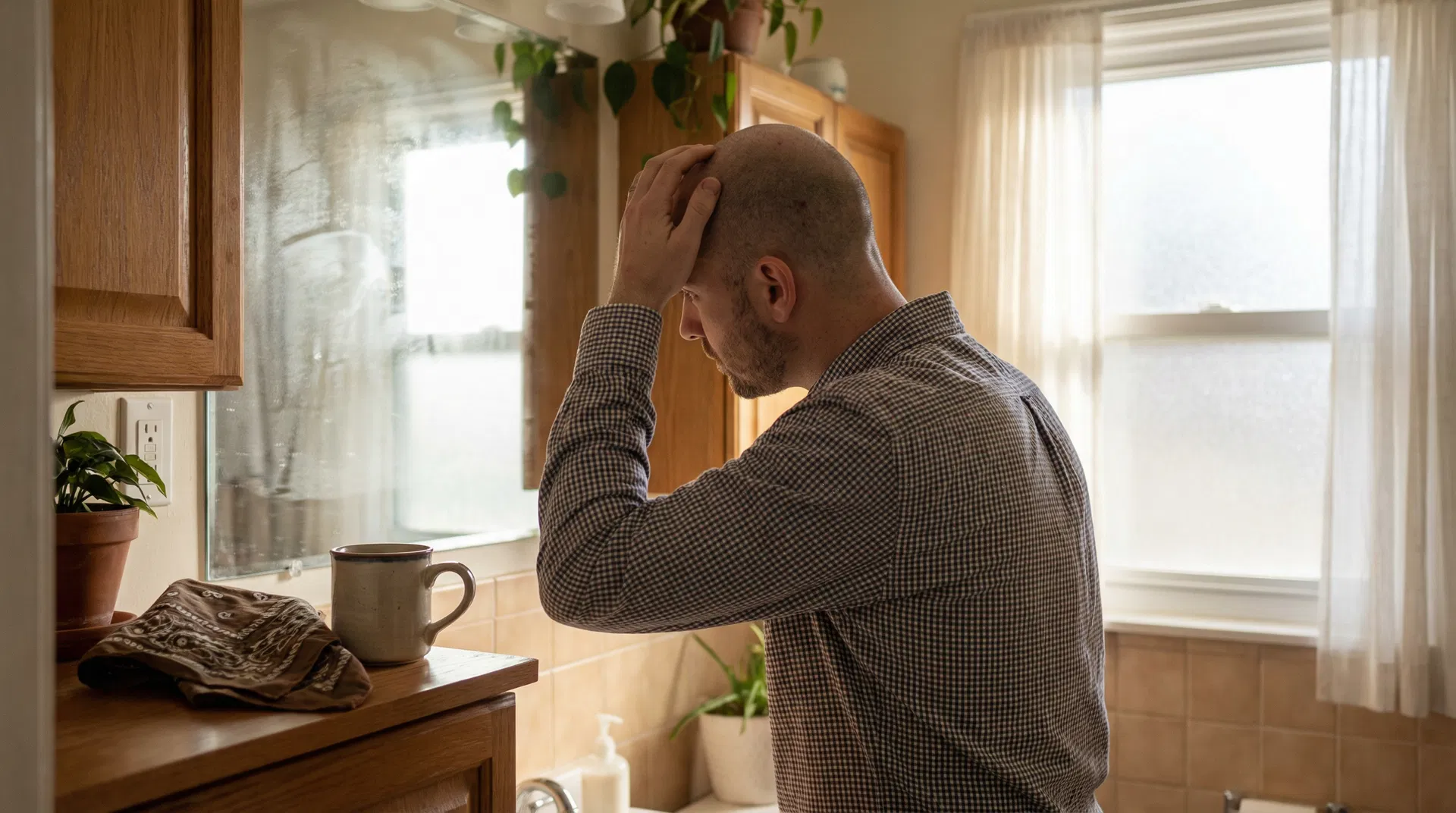
Patience during the initial weeks is key. Here’s a detailed breakdown of how to reintroduce physical activity without compromising your results.
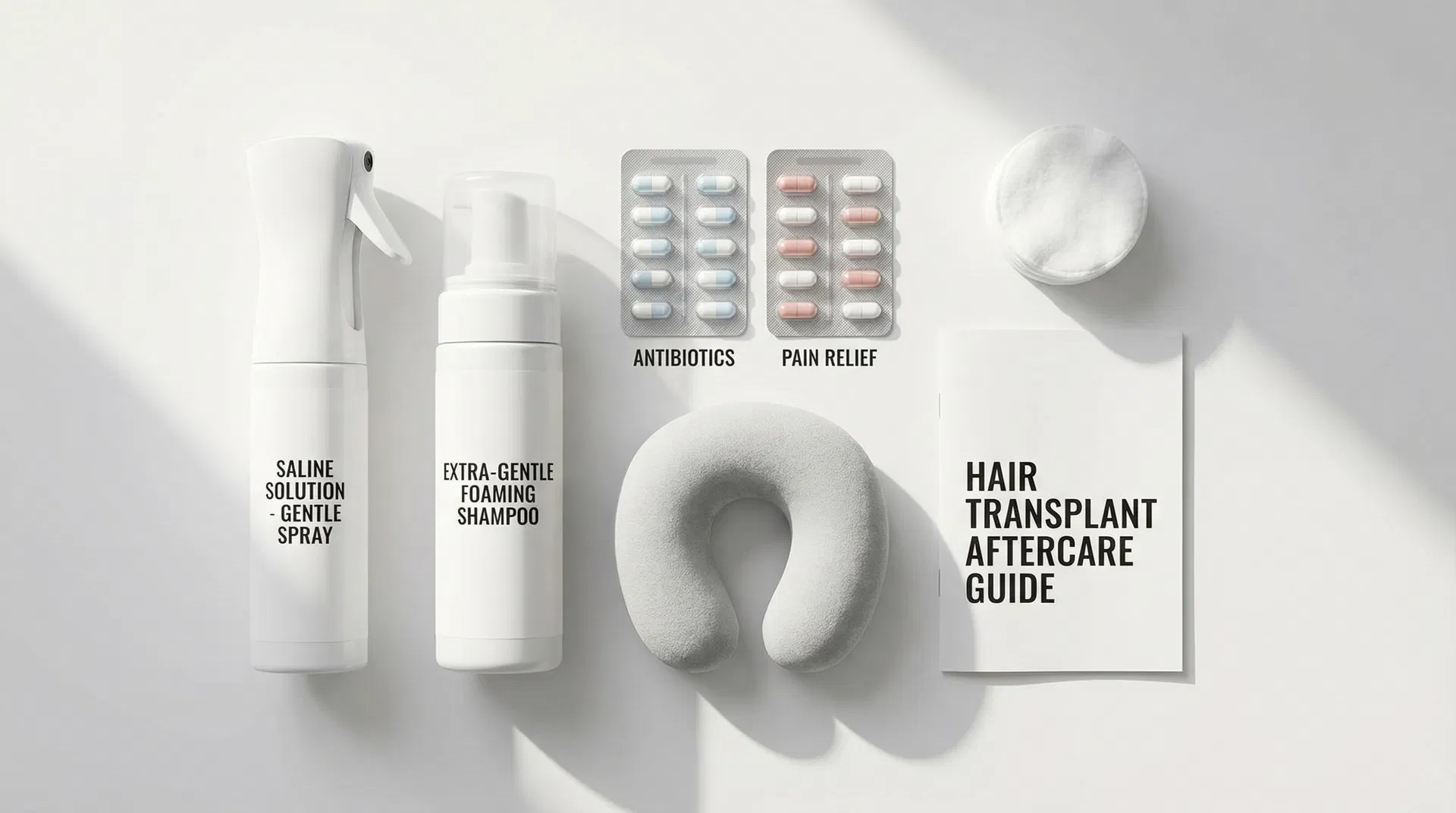
Week 1 (Days 1 to 7): Rest is paramount. During this first week, your body's primary focus is healing. The only physical activity permitted is very light, gentle walking. Avoid any activity that could elevate your heart rate significantly or cause you to break a sweat. This means no gym sessions, no running, and no lifting of any kind, not even heavy groceries. It's also crucial to avoid bending over, as this can increase pressure on the scalp. Think of this as a period of active recovery where rest is your main priority.
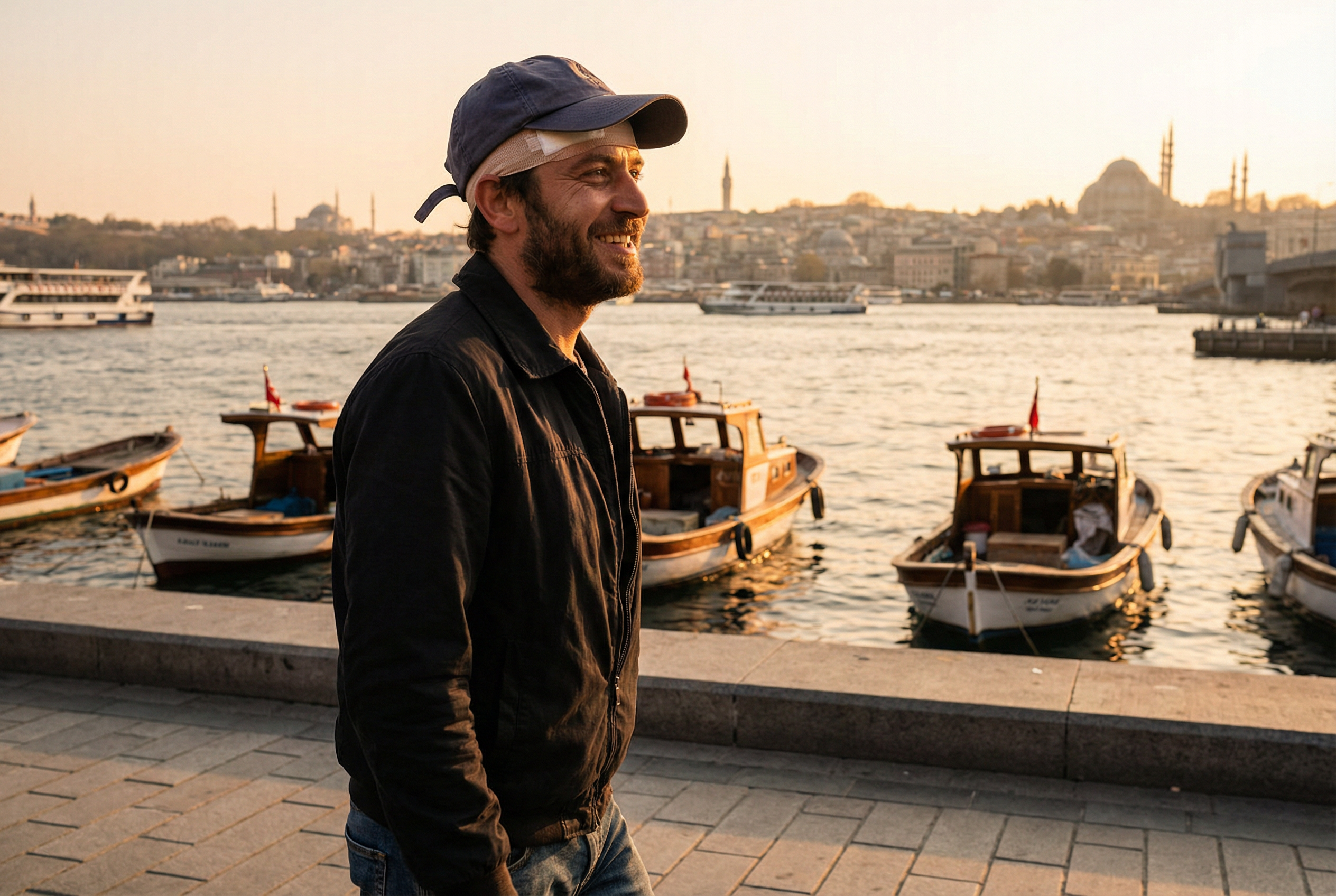 Week 2 (Days 8 to 14): Introducing Light Movement.
 You can now increase the pace of your walks from a gentle stroll to a more normal pace. Very light stretching is permissible, but avoid any positions that put your head below your heart, such as in certain yoga poses. Sweating remains a significant risk, so all activities should be low-impact and performed in a cool environment. Most patients can comfortably return to a desk job during this week.
Eager to get back to the gym after your procedure?
Week 3 (Days 15 to 21): Increasing the Intensity. Your grafts are becoming more secure. You can now introduce light cardio, such as brisk walking or using a stationary bike at a low intensity. Light body-weight exercises are also acceptable, provided they don’t involve overhead movements or strain the scalp. Some forms of light yoga can be resumed, but continue to avoid headstands or any inverted postures.
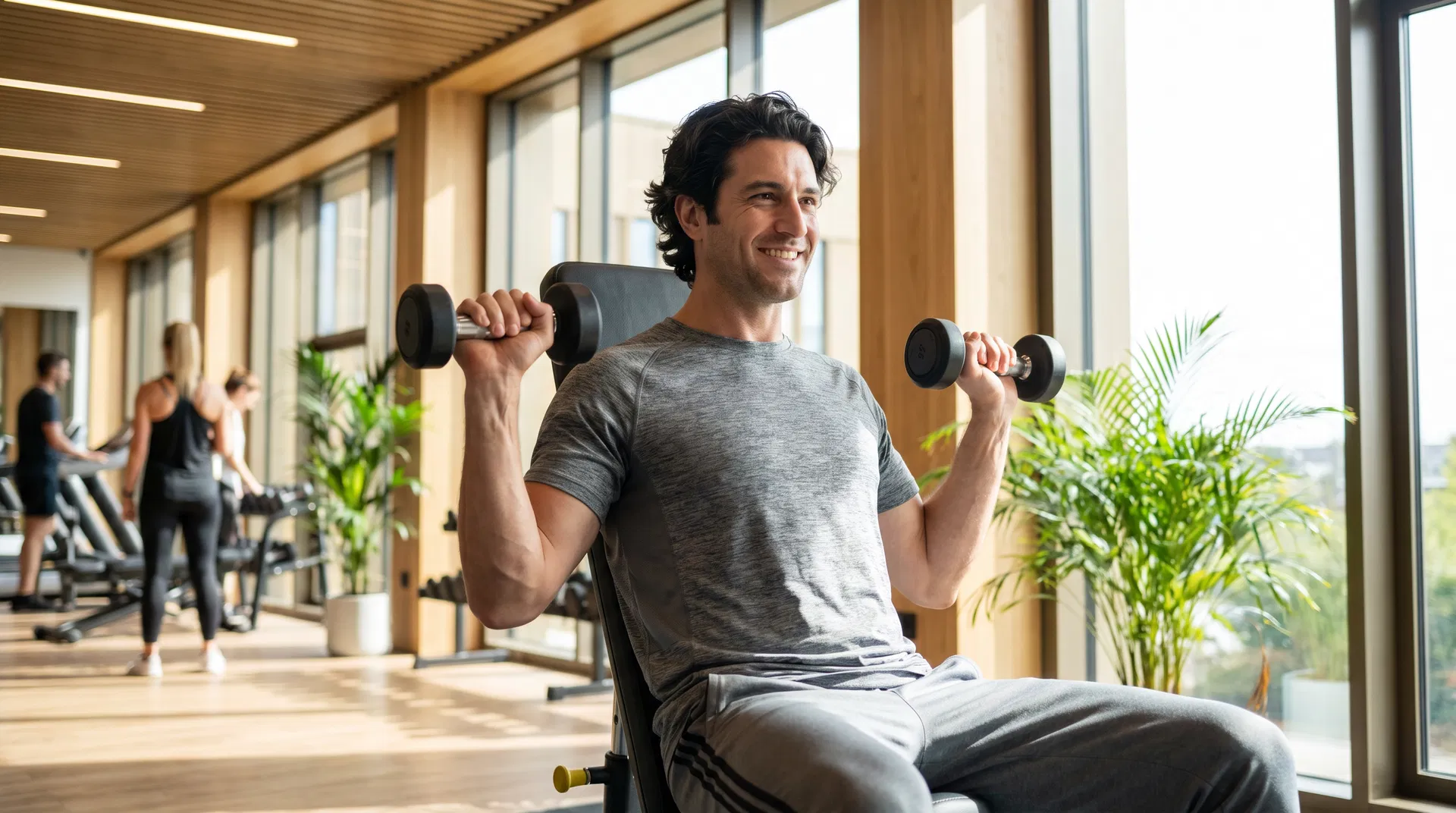
Week 4 (Days 22 to 30): Returning to the Gym. This is a significant milestone. You can begin to reintroduce moderate cardio like jogging on a treadmill or using an elliptical machine. Light weight training can also commence, but it's vital to avoid heavy lifting and any exercises that put direct pressure on the head or scalp, such as overhead presses. You can resume swimming, but only in a clean, chlorinated pool; avoid the ocean or lakes for now to minimize infection risk. A good rule of thumb is to operate at about 50% of your usual intensity.
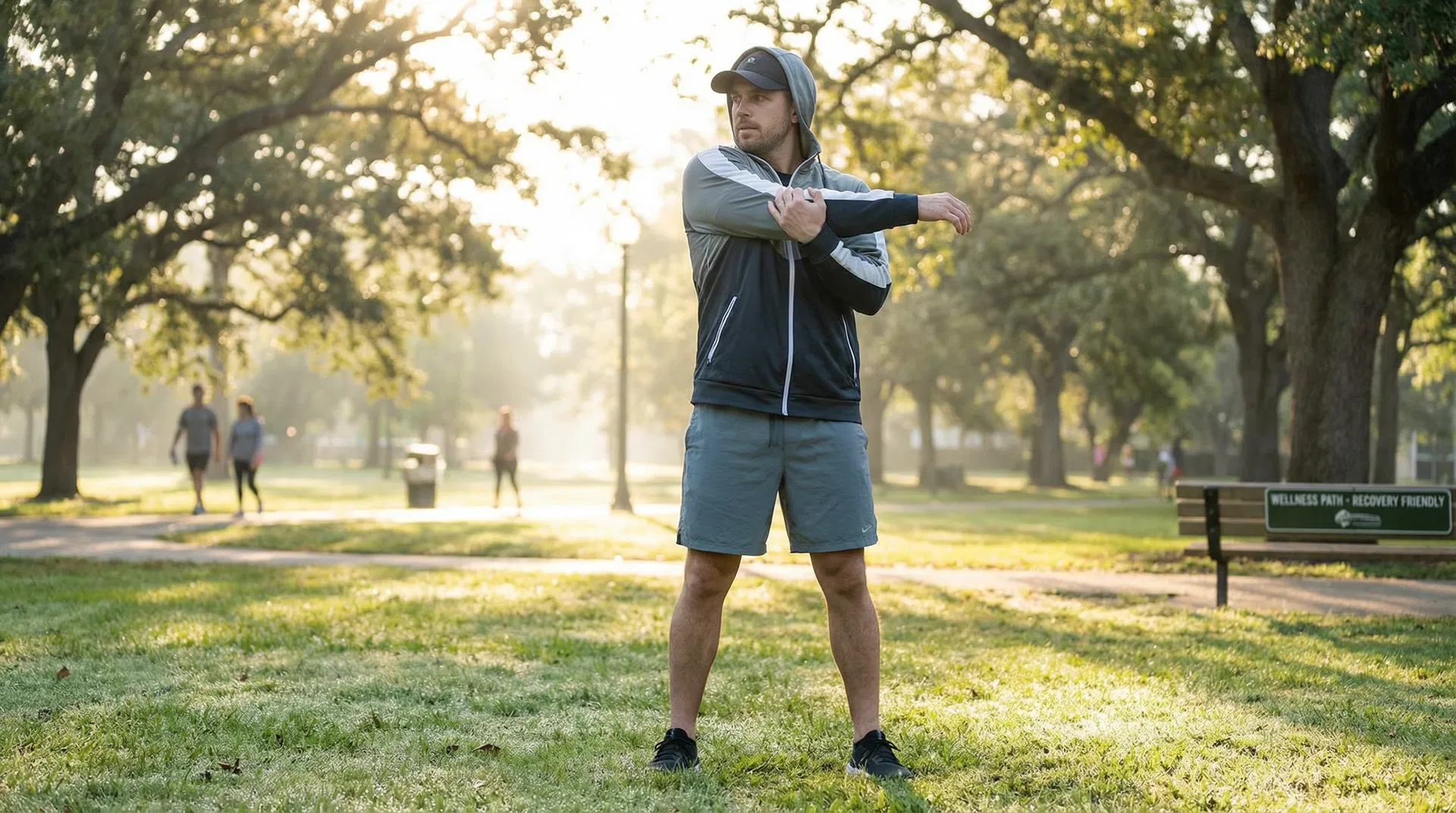
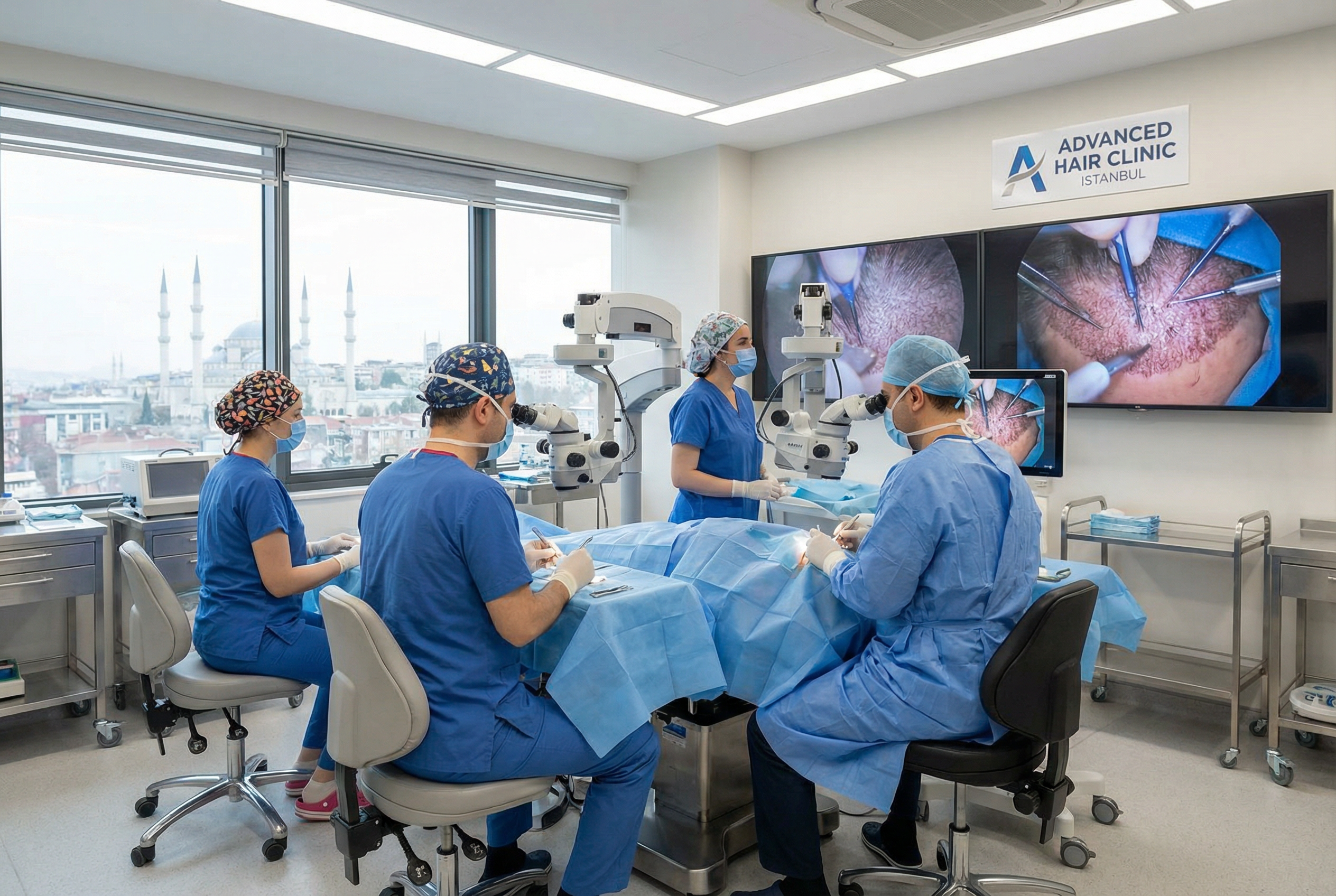
 Following a hair transplant, the newly implanted grafts are incredibly delicate. Whether you're recovering at your hotel in Istanbul or back home in Canada, they require a period of undisturbed healing to firmly anchor into the scalp.
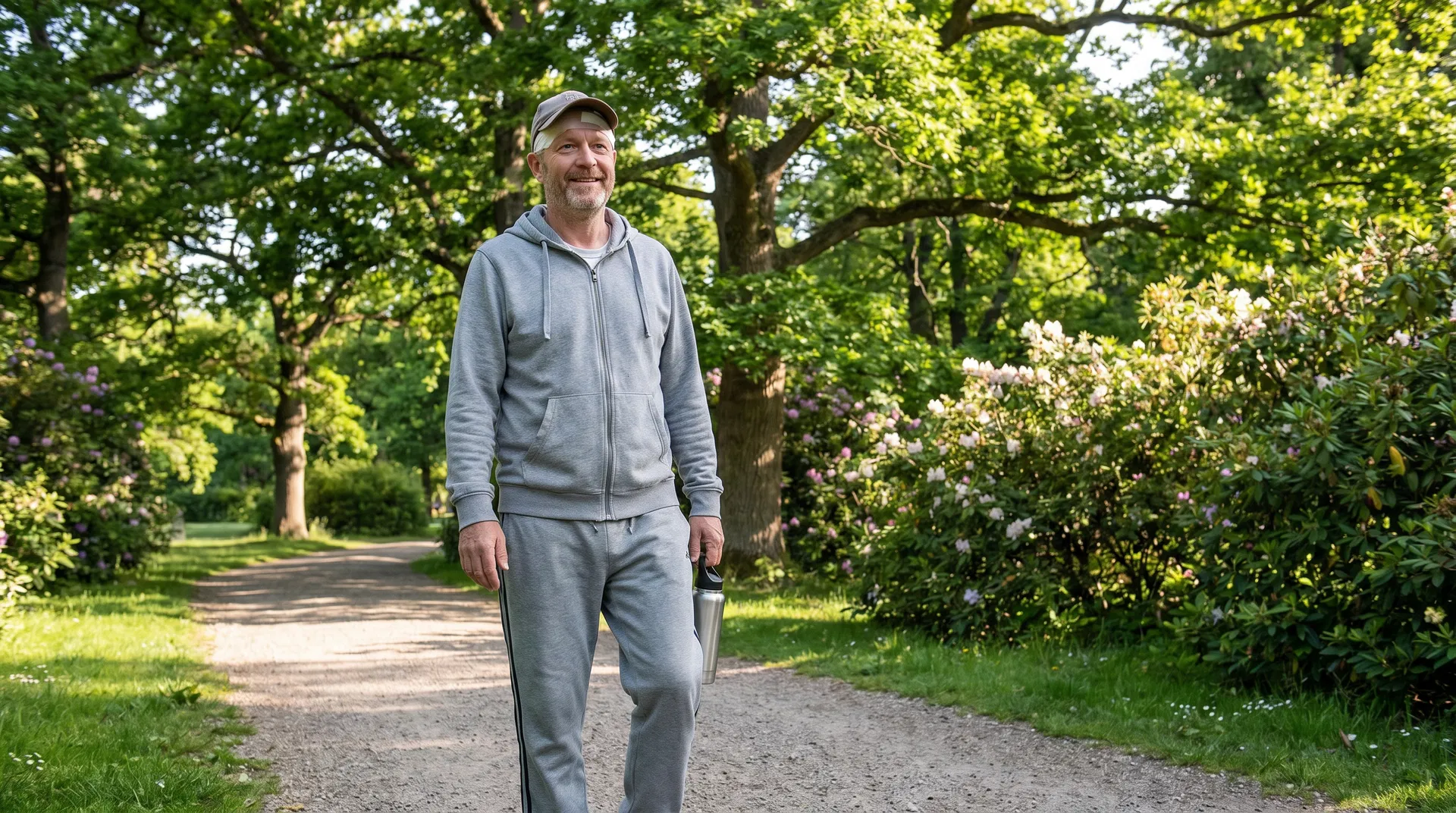 Engaging in strenuous activity too soon can jeopardize the outcome of your procedure. The primary concerns are increased blood pressure, which can provoke bleeding at the graft sites; sweating, which creates a moist environment ripe for infection and irritation; direct physical impact, which can dislodge grafts before they are secure; and stretching of the scalp, particularly the donor area, which can lead to wider scars and affect healing.
 Adhering to a structured, gradual return to exercise is not just a suggestion—it's a critical component of protecting your investment and ensuring the best possible results from your hair transplant.
 Month 2 (Days 31 to 60): Approaching Normalcy. With your surgeon's approval, you can now return to most of your regular workout routine. This includes full-intensity cardio, running, cycling, and standard weight training sessions. While your grafts are much more secure, it is still wise to avoid sports that involve a high risk of direct impact to the head. For more information on what to expect during this period,
  Month 3 and Onward (Day 61+): No More Restrictions. By the beginning of the third month, your new hair grafts are fully anchored and as secure as your native hair. You are now free to resume all physical activities without restriction. This includes contact sports like boxing, hockey, and rugby, as well as swimming in any body of water and wearing helmets for sports like cycling or skiing. Your fitness life is officially back to normal.
Contact us for free guidance on building a safe post-transplant fitness plan.
Month 3 and Onward (Day 61+): No More Restrictions. By the beginning of the third month, your new hair grafts are fully anchored and as secure as your native hair. You are now free to resume all physical activities without restriction. This includes contact sports like boxing, hockey, and rugby, as well as swimming in any body of water and wearing helmets for sports like cycling or skiing. Your fitness life is officially back to normal.
Contact us for free guidance on building a safe post-transplant fitness plan.