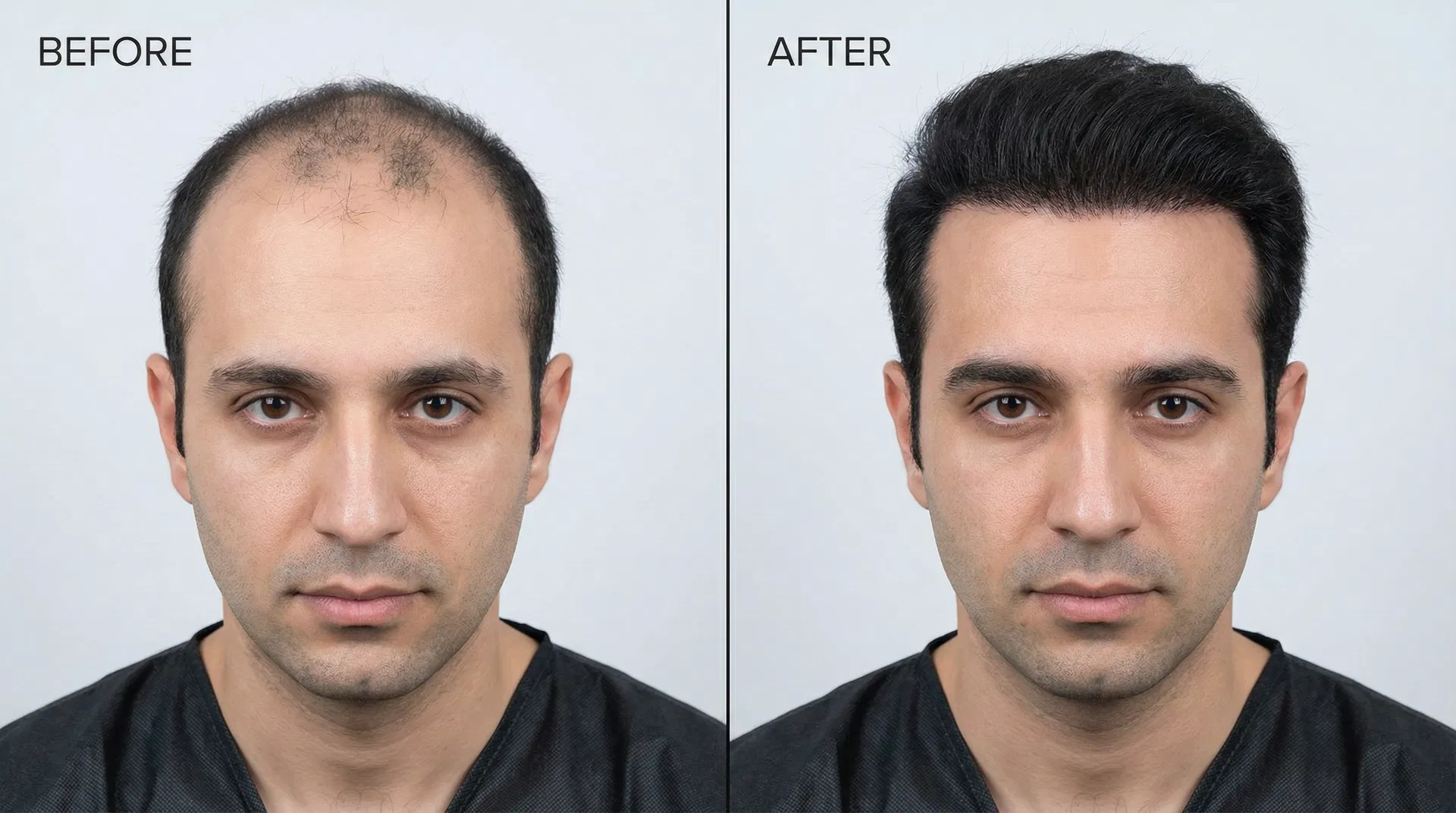
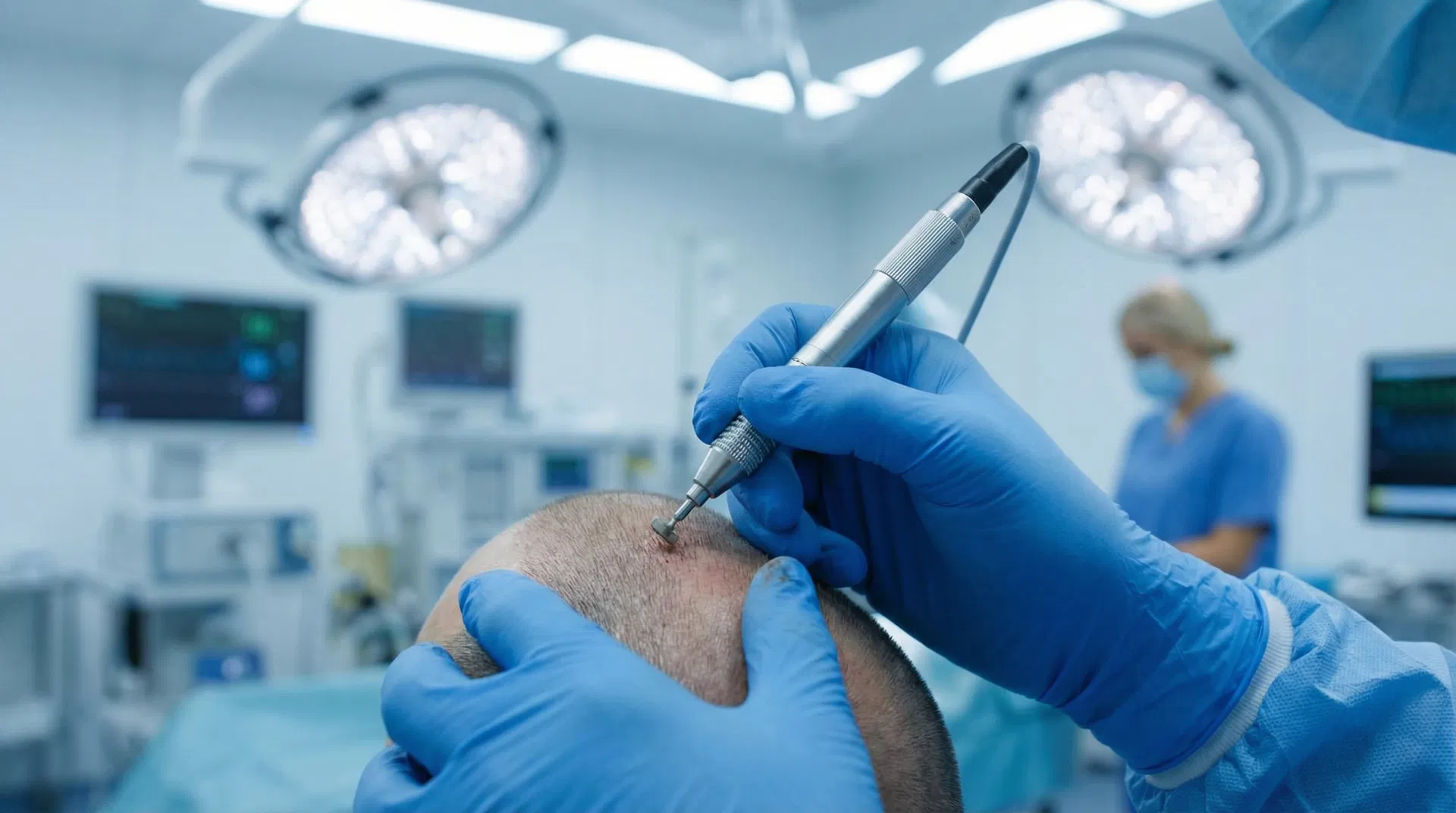
The cost of a hair transplant repair in Turkey varies depending on the complexity and extent of the work required. Minor adjustments, such as fixing a small section of the hairline, may fall in the range of 2,000 to 4,000 CAD. More significant repairs, like adding substantial density or performing a major hairline redesign, could cost between 3,500 to 7,000 CAD. For highly complex cases that involve multiple issues such as graft removal, extensive scar camouflage, and significant density addition, the cost can range from 5,000 to 9,000 CAD or more. While corrective work is inherently more intricate and demanding than a primary transplant, the pricing in Turkey remains considerably more affordable than in North America. For a deeper dive into what to expect,
see our guide. Similar repair procedures in Canada could easily cost between 15,000 to 30,000 CAD, making Turkey an economically attractive option for patients seeking high-quality corrective work.
See more.
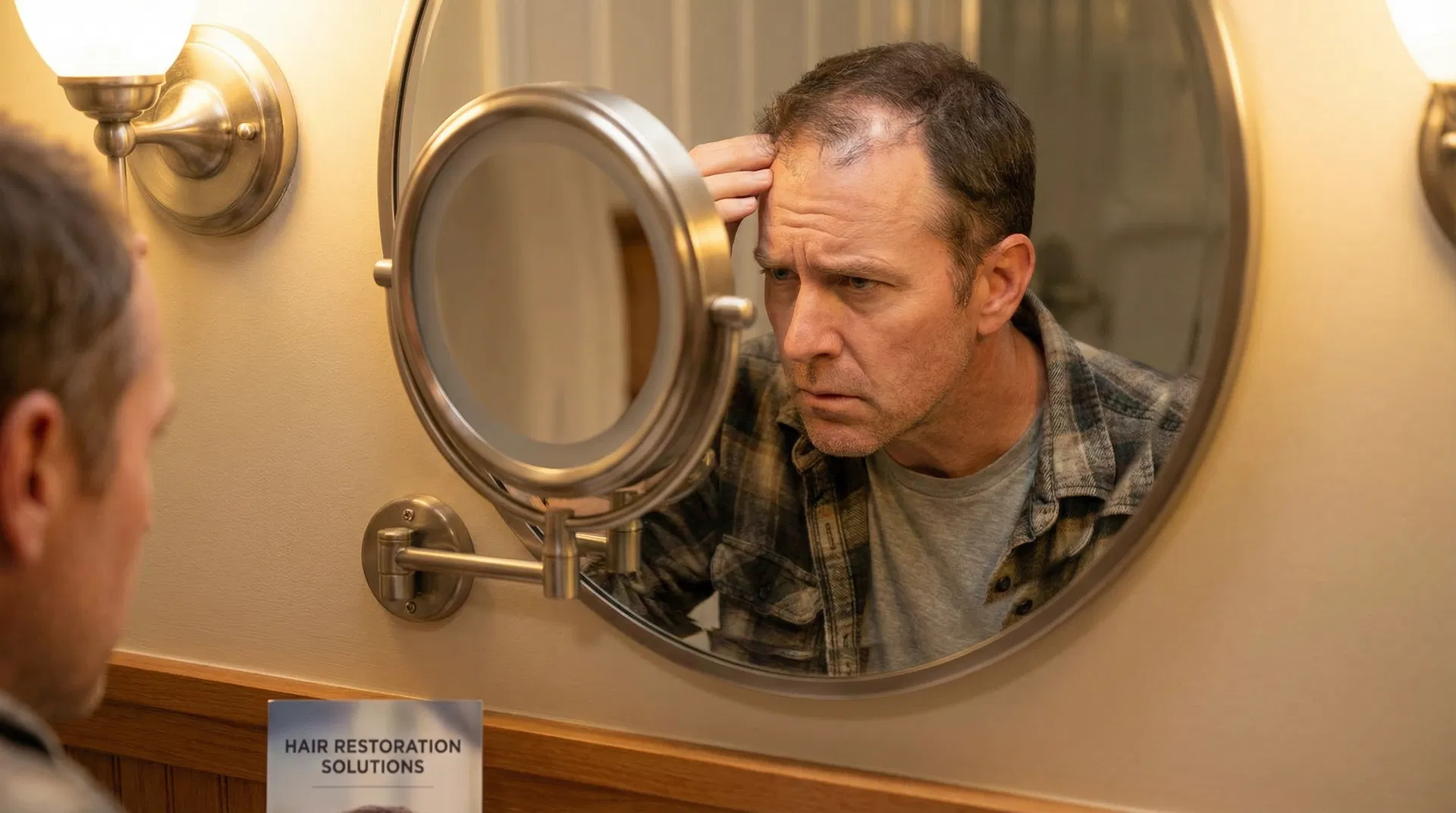
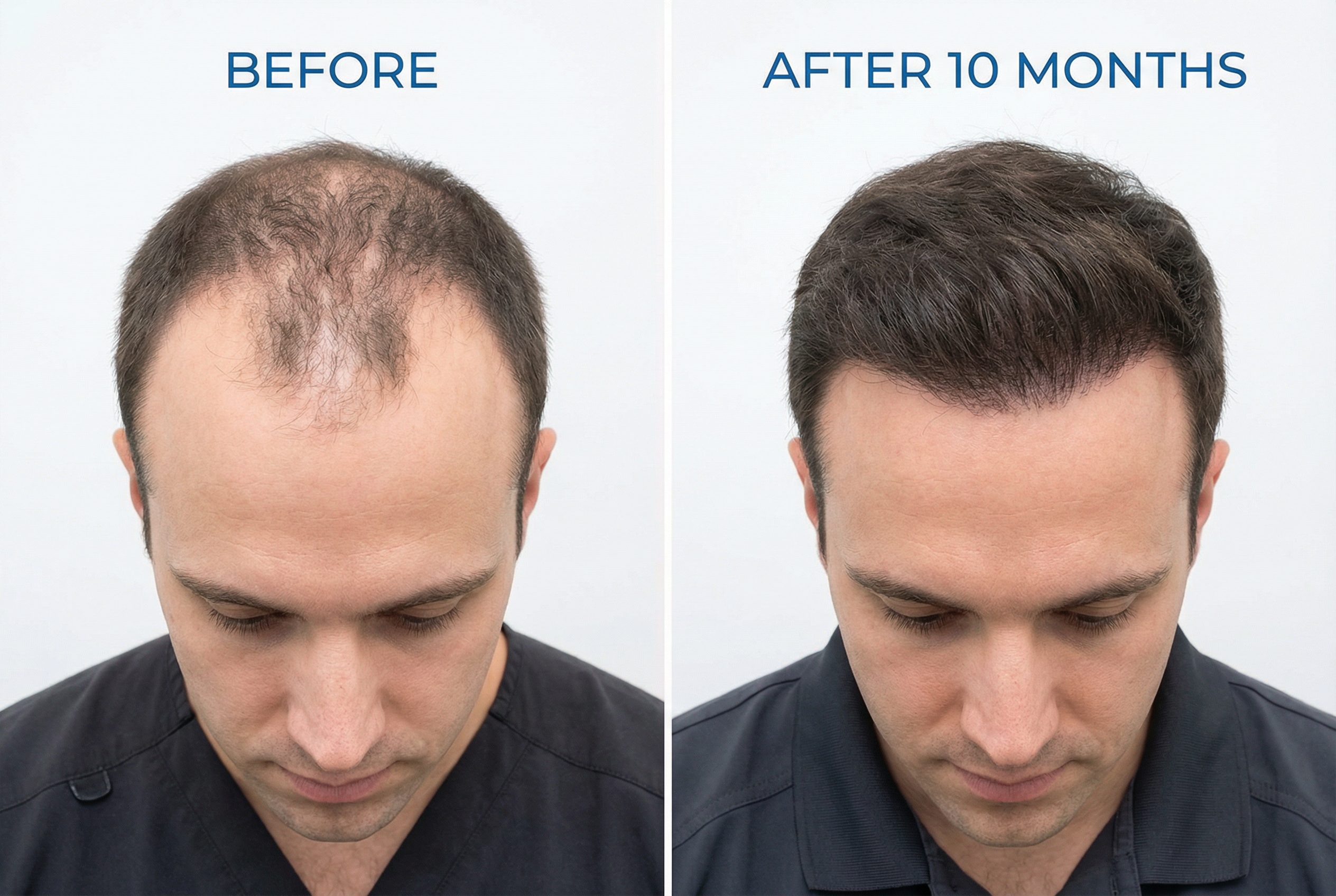
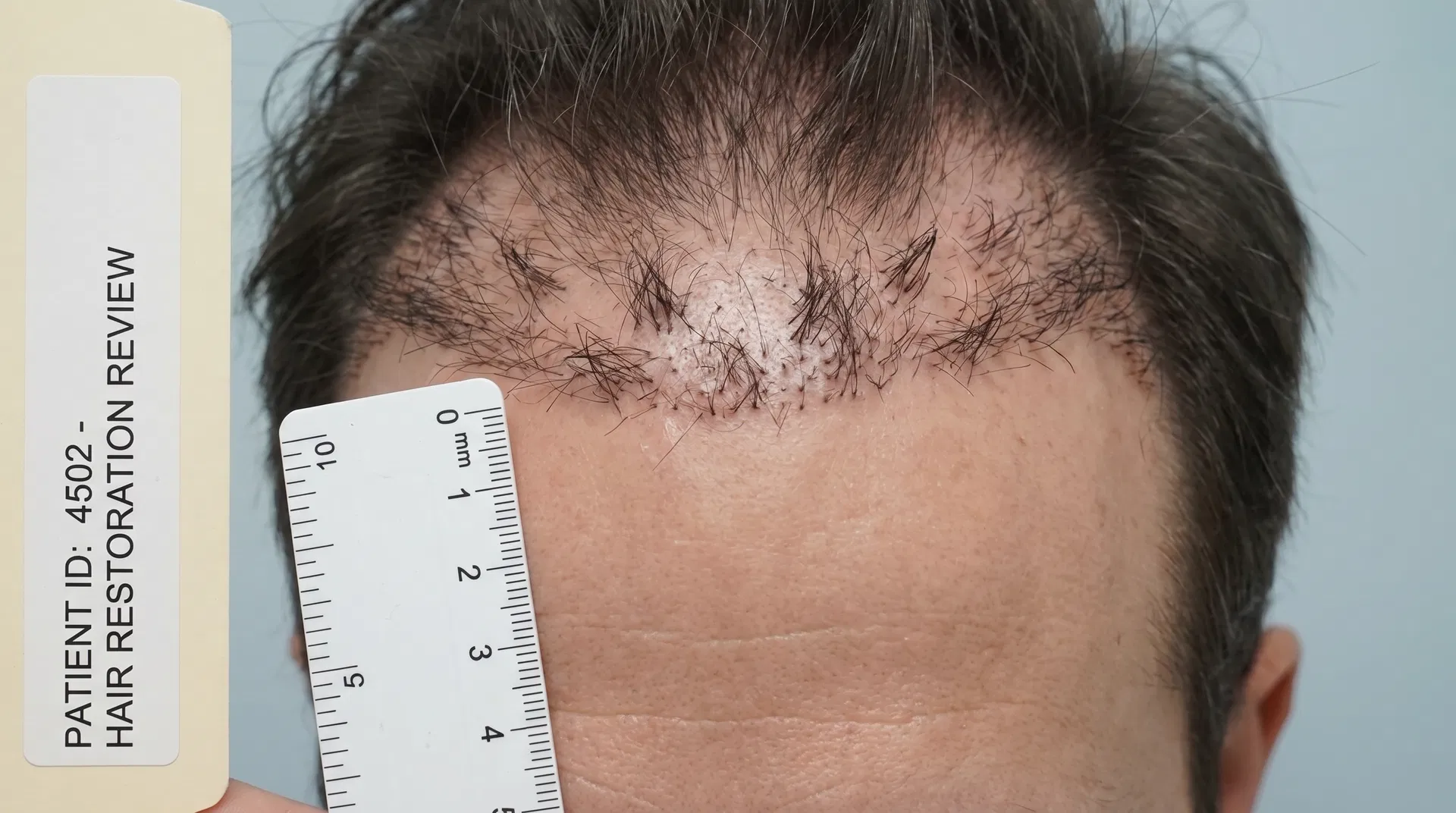 While hair transplantation has a high success rate, not all procedures meet patient expectations. A number of factors can lead to a result that appears unnatural or requires correction. Some of the most common issues include an unnatural hairline that may be too straight, positioned incorrectly, or reveals noticeable 'plugs' from older techniques. Another frequent concern is poor density, where either too few grafts were implanted or their survival rate was low, leading to a thin or patchy appearance that lacks the desired fullness.
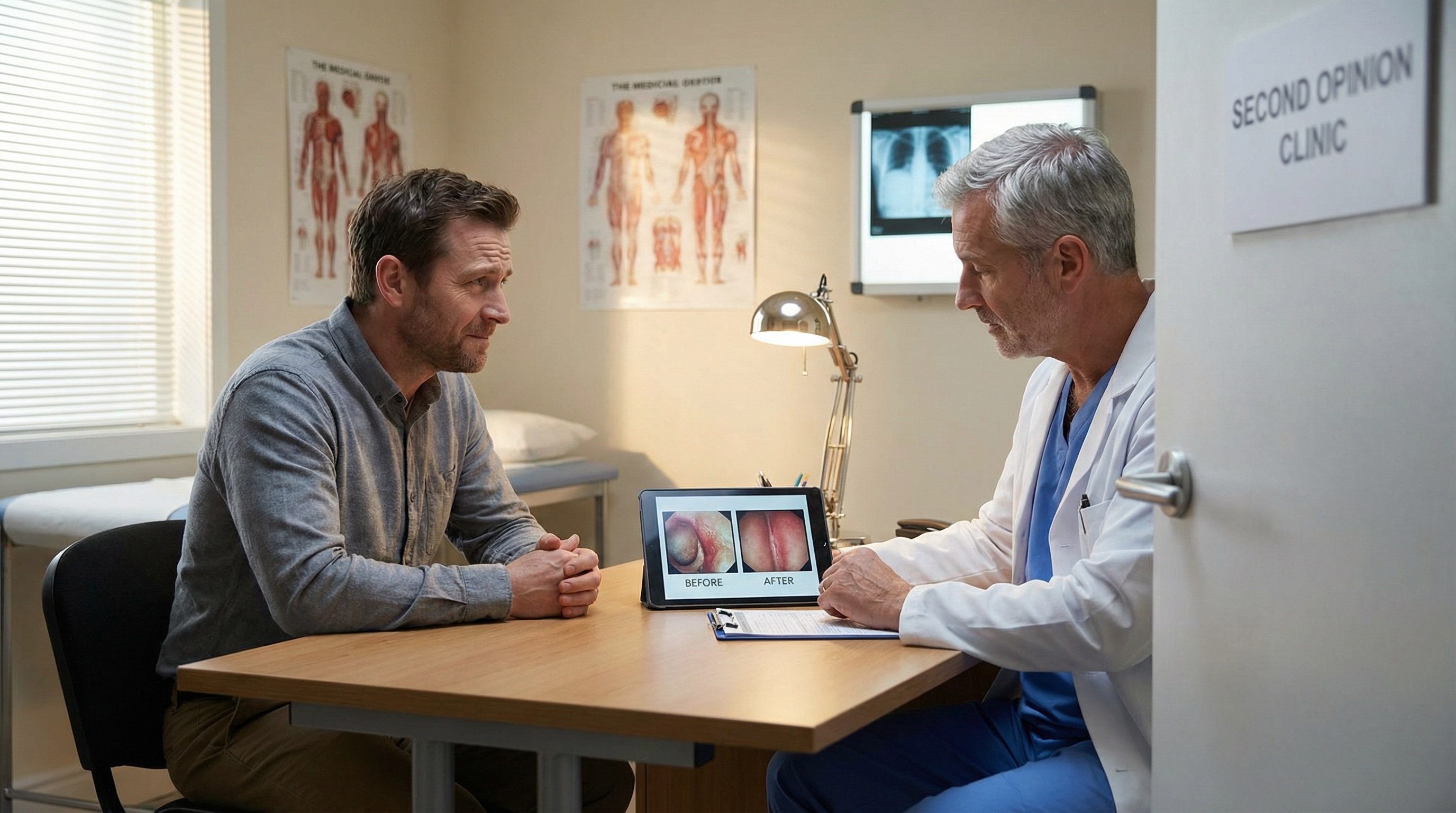 The final look can also be compromised by grafts inserted at the wrong angle or direction, causing hairs to grow in a way that conflicts with the natural flow of the surrounding hair. Additionally, visible scarring, particularly from older Follicular Unit Transplantation (FUT) methods or an over-harvested donor area, can be a significant concern. Other potential problems are a bumpy or uneven scalp texture, known as cobblestoning, which happens when grafts are not placed at the correct depth, and noticeable asymmetry between the two sides of the scalp.
 Contact us for a free, confidential evaluation of your previous results and corrective options.