Myth 1: Hair transplants are extremely painful.
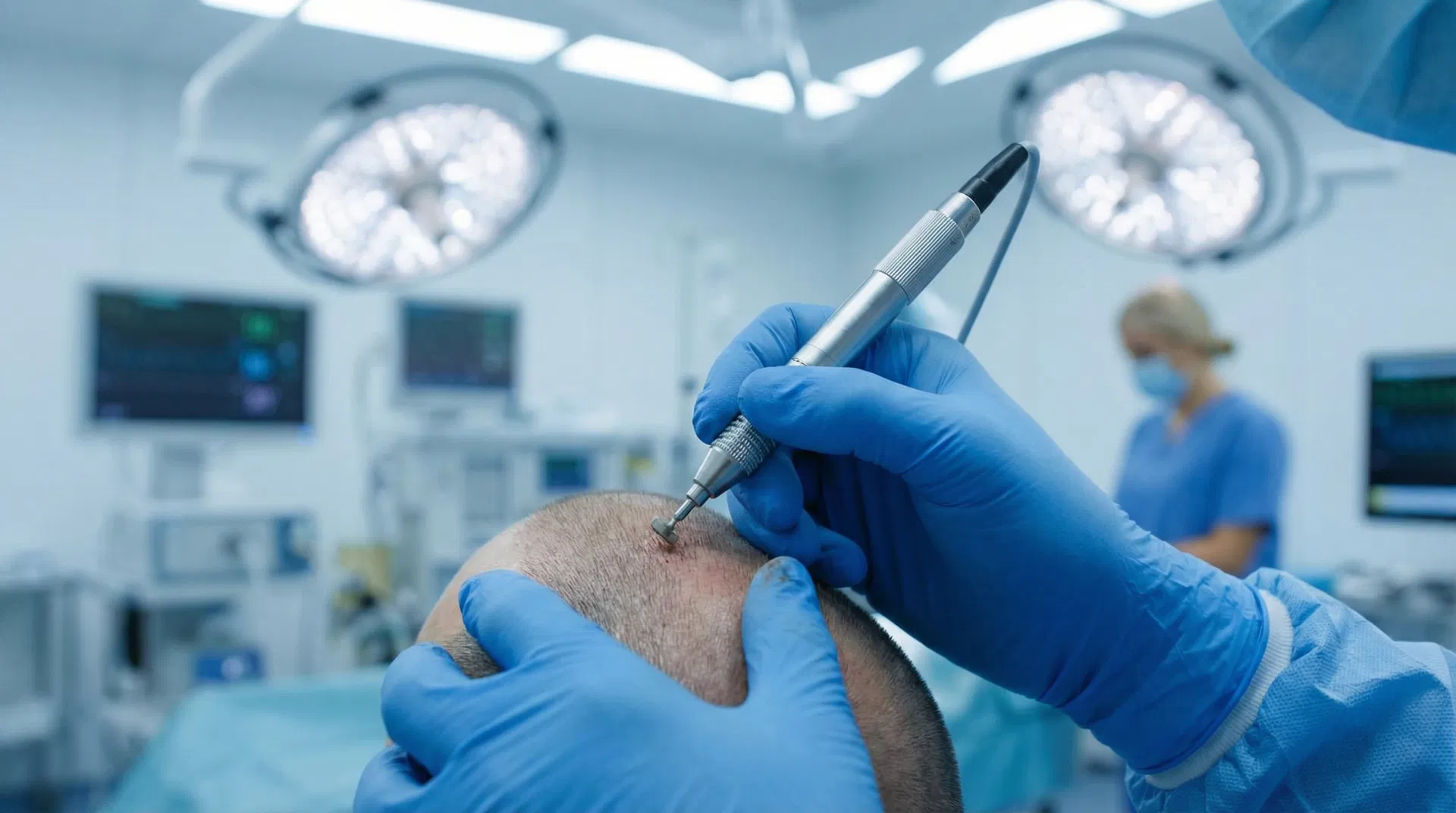
Fact: This is one of the most persistent myths, but it's largely untrue. The procedure is performed under local anaesthesia, meaning the scalp is completely numb. Most patients report that the initial anaesthetic injections are the most uncomfortable part, describing it as a series of sharp stings lasting for about five to ten minutes. Canadian patients consistently confirm that the discomfort is far less than they anticipated. After the anaesthesia takes effect, you feel no pain at all during the hours-long extraction and implantation process. Many patients pass the time by watching movies, listening to music, or even napping comfortably.

Myth 2: The results from a hair transplant will look fake and obvious.
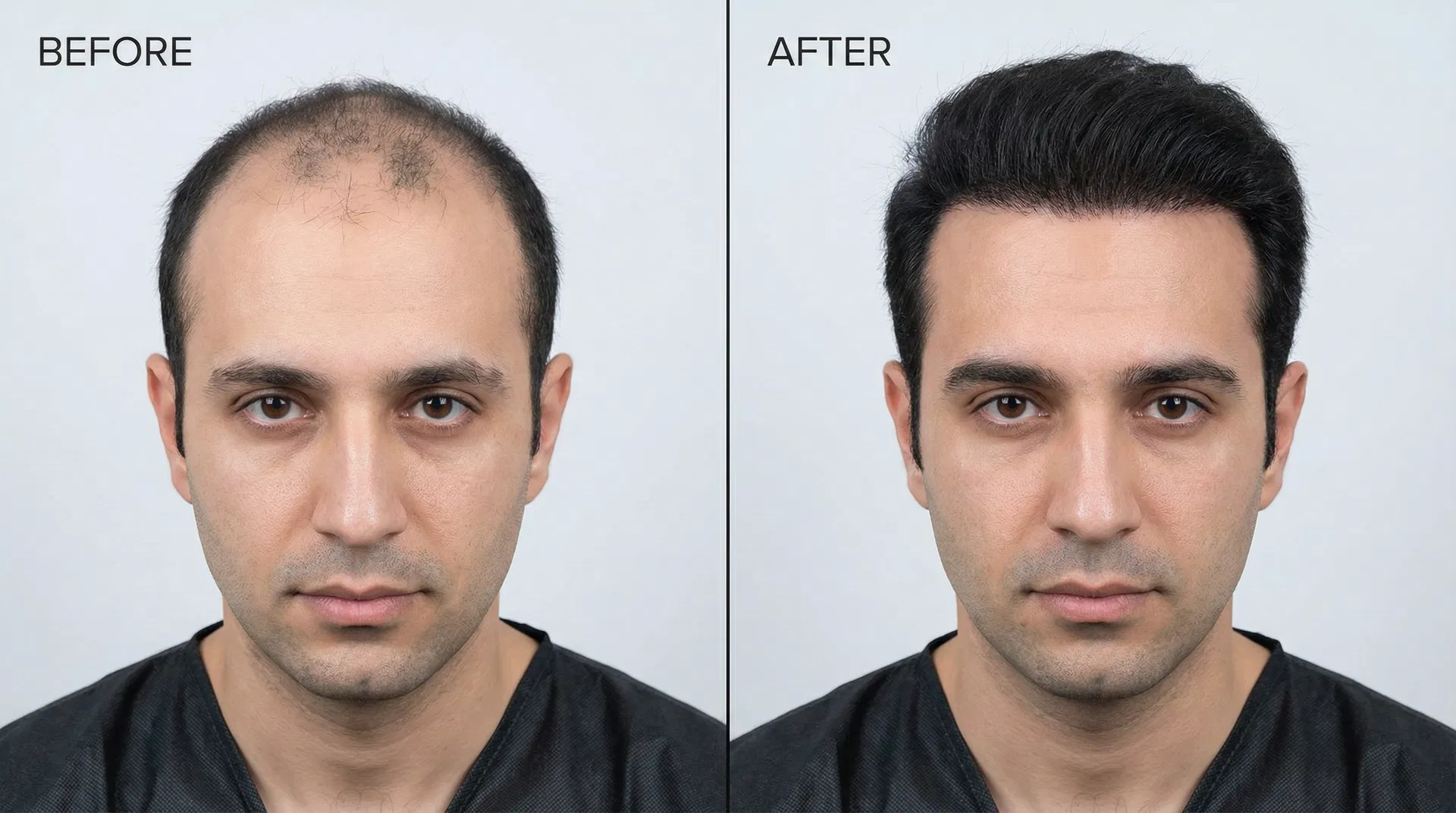
Fact: While this may have been a concern with older "hair plug" techniques, modern methods like Follicular Unit Extraction (FUE) and Direct Hair Implantation (DHI) produce results that are indistinguishable from natural hair. A skilled surgeon meticulously implants individual hair grafts at the correct angle, depth, and distribution to mimic natural growth patterns. The final outcome depends heavily on the surgeon's experience and artistry. When done correctly, not even your barber will be able to tell you've had a procedure unless you choose to tell them. You can learn more about the differences in our
detailed FUE vs. DHI guide.

Myth 3: Turkey is cheap because the clinics offer low-quality procedures.
Fact: The affordability of hair transplants in Turkey is a result of economic factors, not a lack of quality. The country has a significantly lower cost of living and operational expenses for medical facilities compared to North America. Furthermore, the Turkish government actively supports the medical tourism industry, and the sheer volume of procedures (over 500,000 annually) creates intense competition and economies of scale. Consequently, some of the most popular clinics in Istanbul have surgeons who perform more hair transplants in a month than many Western surgeons do in a year, leading to unparalleled experience. At reputable clinics, the standard of care, technology, and results often meet or even exceed those found in Western countries.


 Myth 7: The more grafts you get, the better the result will be.
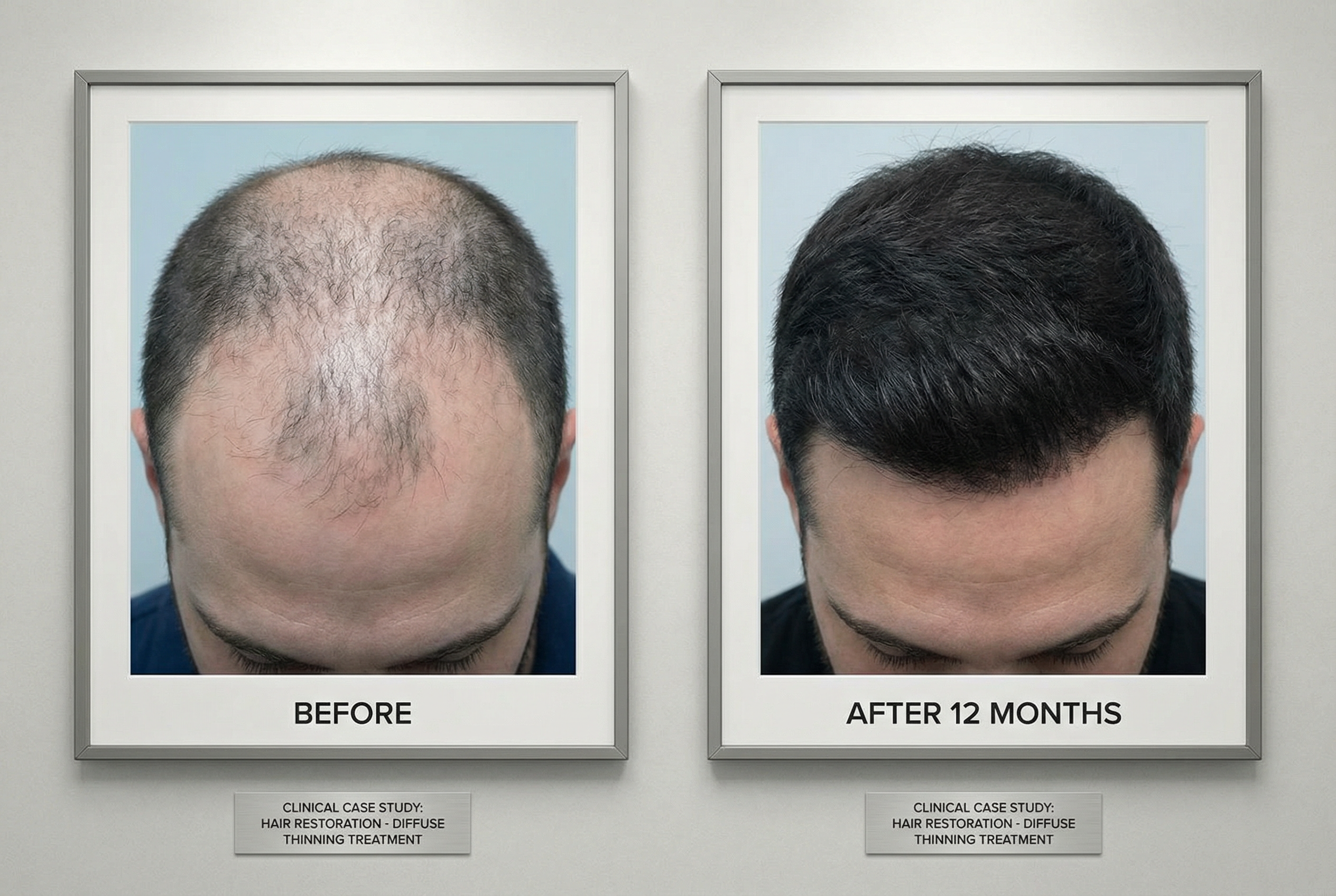
Fact: Quality trumps quantity every time. A successful hair transplant is about the strategic and artistic placement of the grafts, not just the sheer number. An expert surgeon can achieve a look of high density and naturalness with 2,500 meticulously placed grafts, whereas 4,000 poorly placed grafts can look unnatural and sparse. Furthermore, over-harvesting the donor area in a single session can lead to permanent thinning and a "moth-eaten" appearance at the back of the head. For more details on what to expect financially,
Myth 7: The more grafts you get, the better the result will be.
Fact: Quality trumps quantity every time. A successful hair transplant is about the strategic and artistic placement of the grafts, not just the sheer number. An expert surgeon can achieve a look of high density and naturalness with 2,500 meticulously placed grafts, whereas 4,000 poorly placed grafts can look unnatural and sparse. Furthermore, over-harvesting the donor area in a single session can lead to permanent thinning and a "moth-eaten" appearance at the back of the head. For more details on what to expect financially, 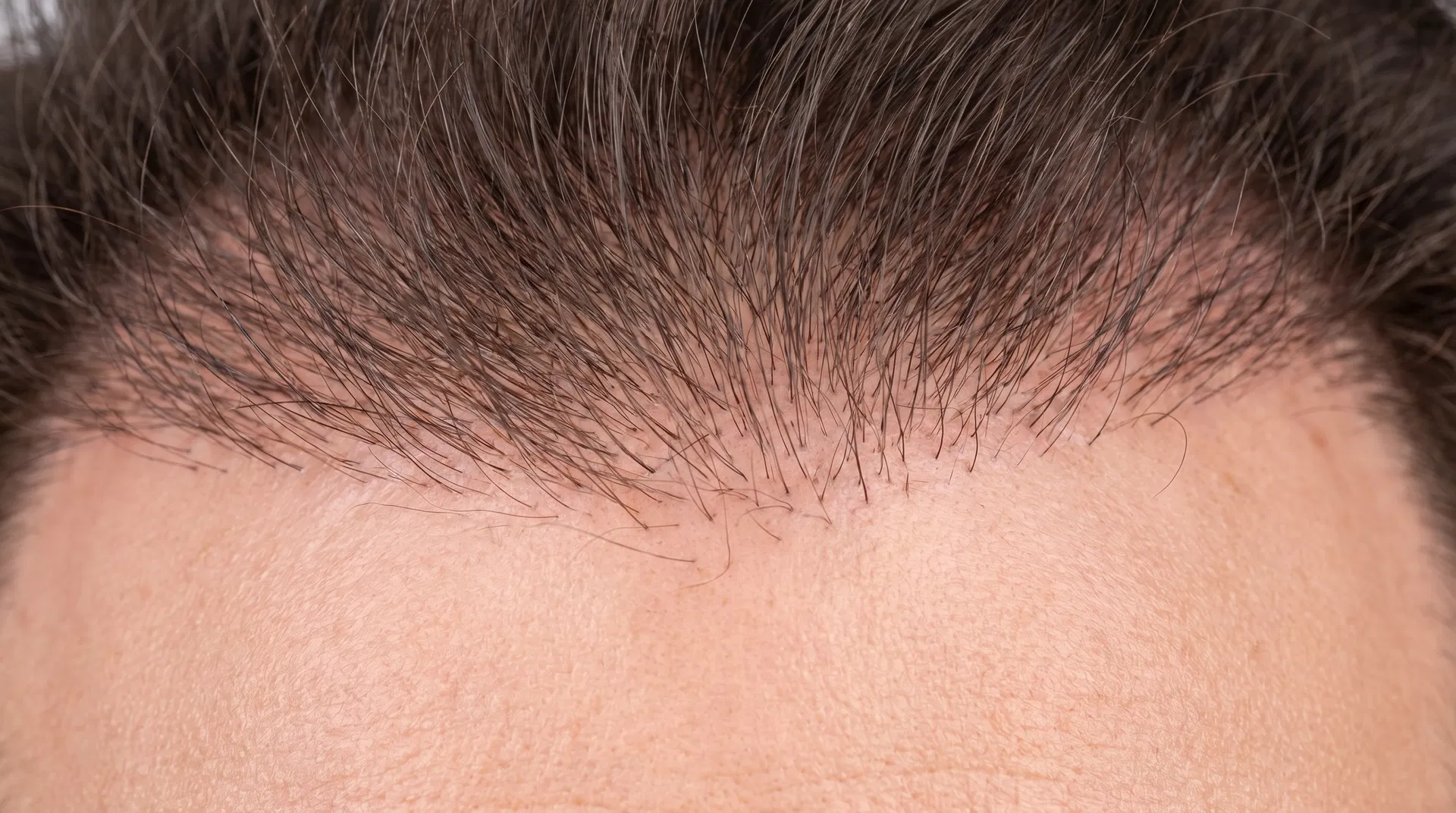 Myth 8: You will see the final results immediately after the procedure.
Fact: A hair transplant is a process that requires patience. In the first two to four weeks after the procedure, the newly transplanted hairs will fall out due to a phenomenon called "shock loss." This is a normal and expected part of the healing process. New, permanent hair growth will begin around the third or fourth month. From there, the hair will gradually thicken and grow longer. The most significant changes are typically visible between 6 and 9 months, but the final, mature results can take up to 12 to 18 months to fully appear.
Myth 9: Hair transplants are only for old men.
Fact: Hair loss does not discriminate by age. While it is more common as men get older, pattern baldness can begin in the late teens or early twenties. The most common age range for patients seeking a hair transplant is between 28 and 45, but clinics treat patients from their early 20s well into their 70s. The key factor is not age, but rather the stability of the hair loss pattern. A good surgeon will evaluate this to ensure you are a suitable candidate.
Myth 8: You will see the final results immediately after the procedure.
Fact: A hair transplant is a process that requires patience. In the first two to four weeks after the procedure, the newly transplanted hairs will fall out due to a phenomenon called "shock loss." This is a normal and expected part of the healing process. New, permanent hair growth will begin around the third or fourth month. From there, the hair will gradually thicken and grow longer. The most significant changes are typically visible between 6 and 9 months, but the final, mature results can take up to 12 to 18 months to fully appear.
Myth 9: Hair transplants are only for old men.
Fact: Hair loss does not discriminate by age. While it is more common as men get older, pattern baldness can begin in the late teens or early twenties. The most common age range for patients seeking a hair transplant is between 28 and 45, but clinics treat patients from their early 20s well into their 70s. The key factor is not age, but rather the stability of the hair loss pattern. A good surgeon will evaluate this to ensure you are a suitable candidate.