While the surgical technique is the biggest factor in scarring, your actions during the recovery period play a crucial role in the final appearance of your donor area. To ensure the best possible outcome and promote rapid healing, it is vital to follow your clinic's aftercare protocol precisely.

Key steps to minimize scarring:
-
Choose an Experienced Surgeon: The skill of the surgeon is paramount. An experienced technician uses precise extraction techniques that minimize trauma to the scalp, resulting in smaller, cleaner scars.
-
Follow Aftercare Diligently: Your clinic will provide a detailed set of instructions for washing, sleeping, and protecting your scalp. Adhering to these is non-negotiable for good results.
-
Protect from Sun Exposure: The healing donor area is highly susceptible to sun damage. You must avoid direct sun exposure on your scalp for at least three months to prevent hyperpigmentation, which can make scars darker and more noticeable.
-
Do Not Pick Scabs: Scabs are a natural part of the healing process. Picking at them can lead to infection, dislodge the new grafts, and worsen scarring. Let them fall off naturally.
-
Stay Hydrated and Eat Well: Proper nutrition and hydration provide your body with the building blocks it needs for tissue repair. Focus on a balanced diet rich in vitamins and minerals.
Worried about scarring? Reach out for a free consultation — we'll connect you with surgeons known for minimal-scar techniques.
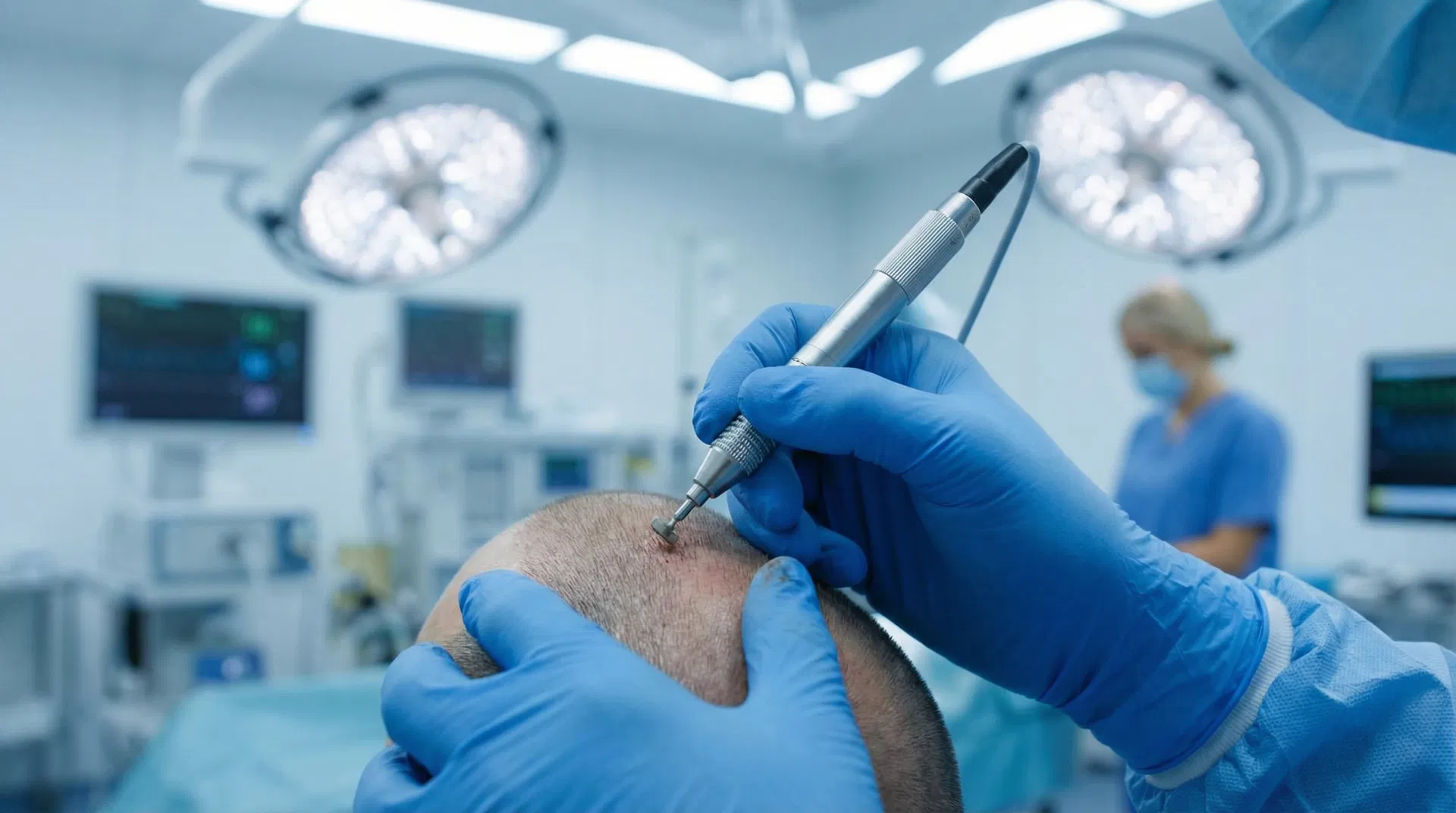
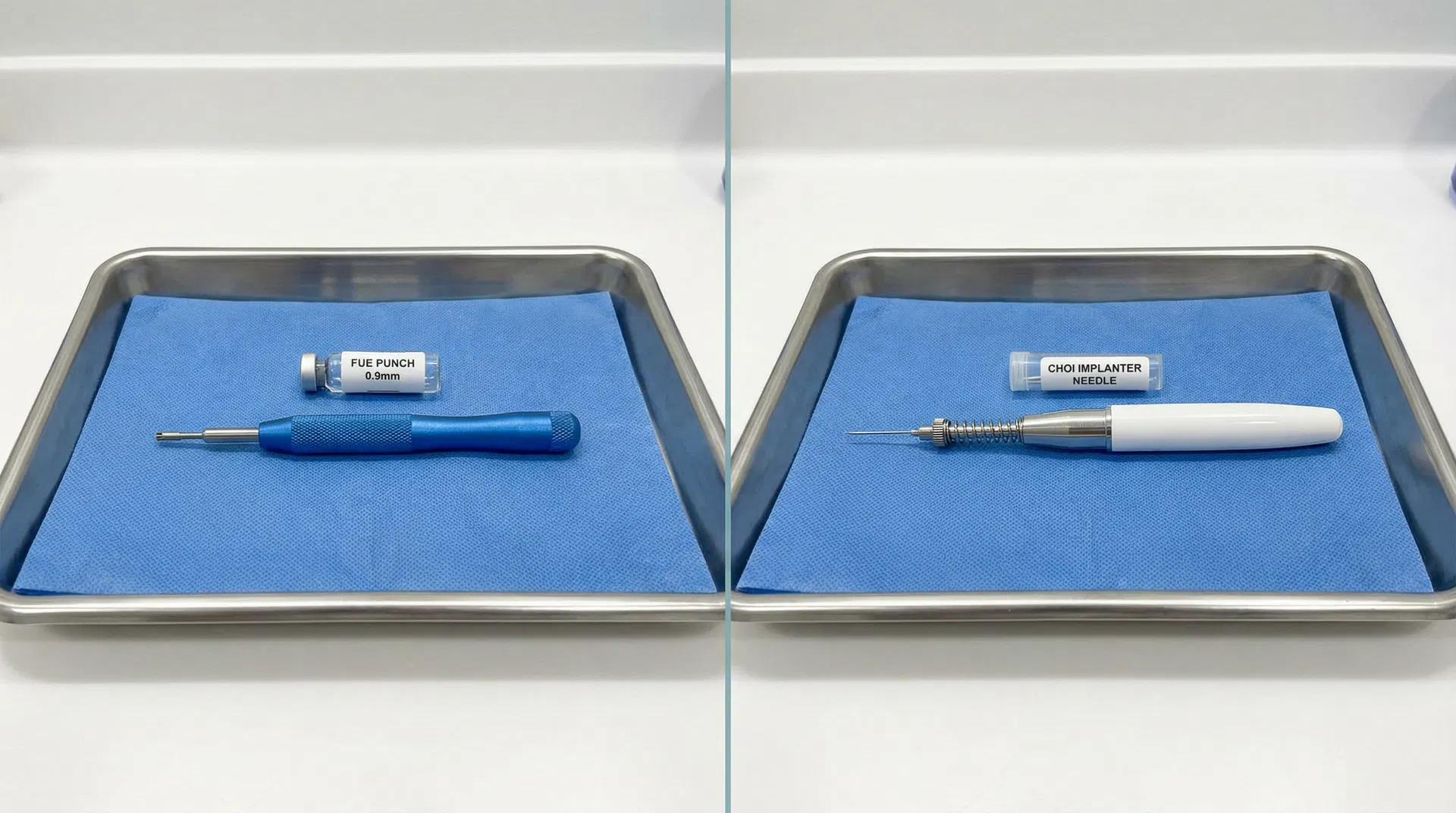
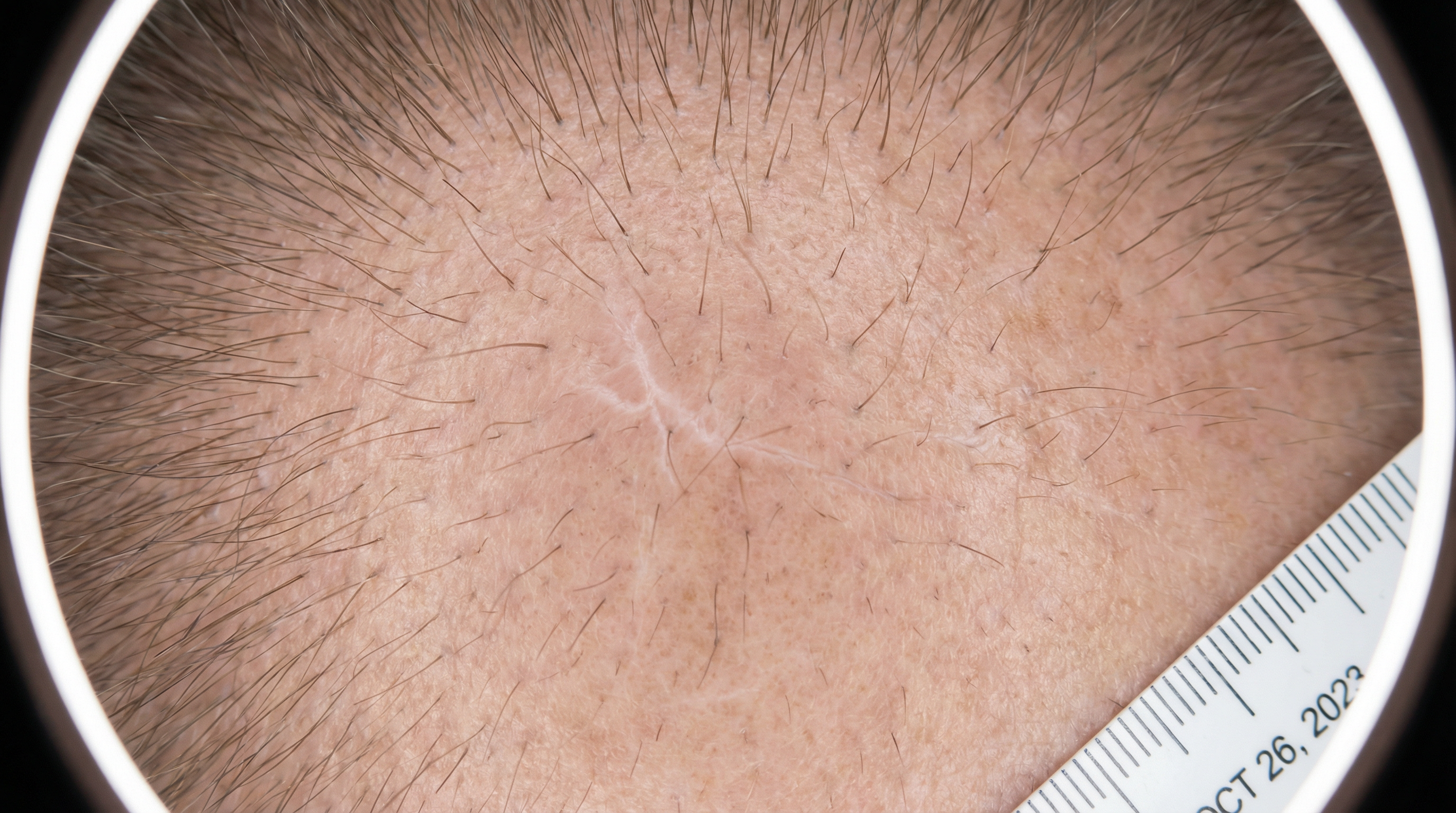
 Follicular Unit Extraction (FUE) is the most common technique used by hair transplant clinics in Turkey, largely because it avoids the linear scar associated with older methods. Instead, FUE leaves behind a series of tiny, dot-like scars in the donor area, each measuring less than a millimeter in diameter. These micro-scars are the result of the surgeon extracting individual follicular units one by one using a specialized punch tool.
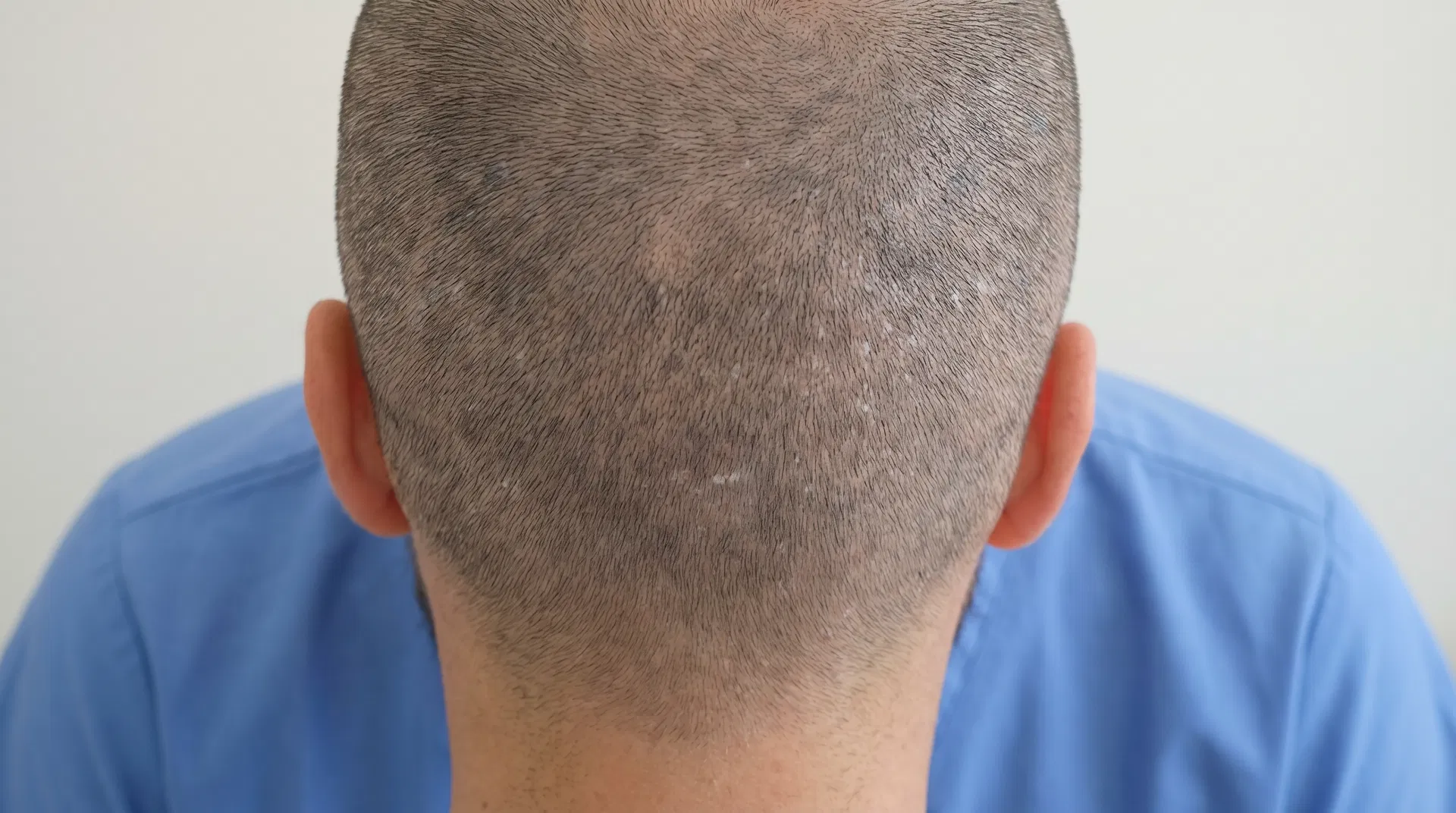
What FUE scars actually look like:
- Tiny white dots scattered across the donor area (the back and sides of the head).
- Generally invisible to the naked eye when your hair is cut to a grade 2 (about 6mm) or longer.
- Only become noticeable if you decide to shave your head completely down to the skin (a grade 0 or 1).
- These marks fade significantly over the first 6 to 12 months as the skin fully heals and pigmentation returns to normal.
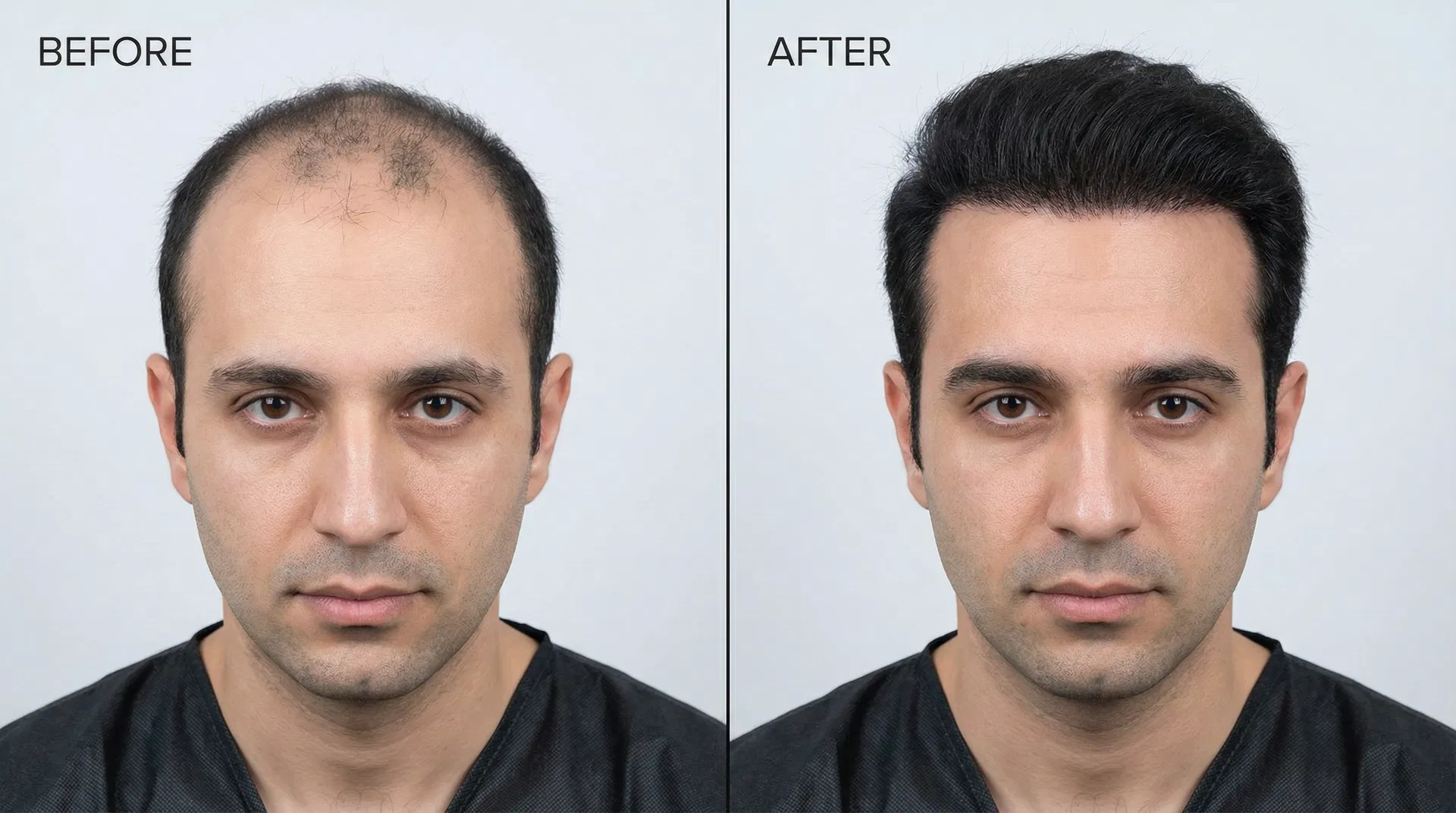
The primary advantage of FUE is the lack of a linear scar, giving patients the freedom to wear their hair short without worrying about a visible sign of their procedure.
Follicular Unit Extraction (FUE) is the most common technique used by hair transplant clinics in Turkey, largely because it avoids the linear scar associated with older methods. Instead, FUE leaves behind a series of tiny, dot-like scars in the donor area, each measuring less than a millimeter in diameter. These micro-scars are the result of the surgeon extracting individual follicular units one by one using a specialized punch tool.
What FUE scars actually look like:
- Tiny white dots scattered across the donor area (the back and sides of the head).
- Generally invisible to the naked eye when your hair is cut to a grade 2 (about 6mm) or longer.
- Only become noticeable if you decide to shave your head completely down to the skin (a grade 0 or 1).
- These marks fade significantly over the first 6 to 12 months as the skin fully heals and pigmentation returns to normal.
The primary advantage of FUE is the lack of a linear scar, giving patients the freedom to wear their hair short without worrying about a visible sign of their procedure.
 The healing is also faster, and post-operative discomfort is typically lower compared to strip surgery.
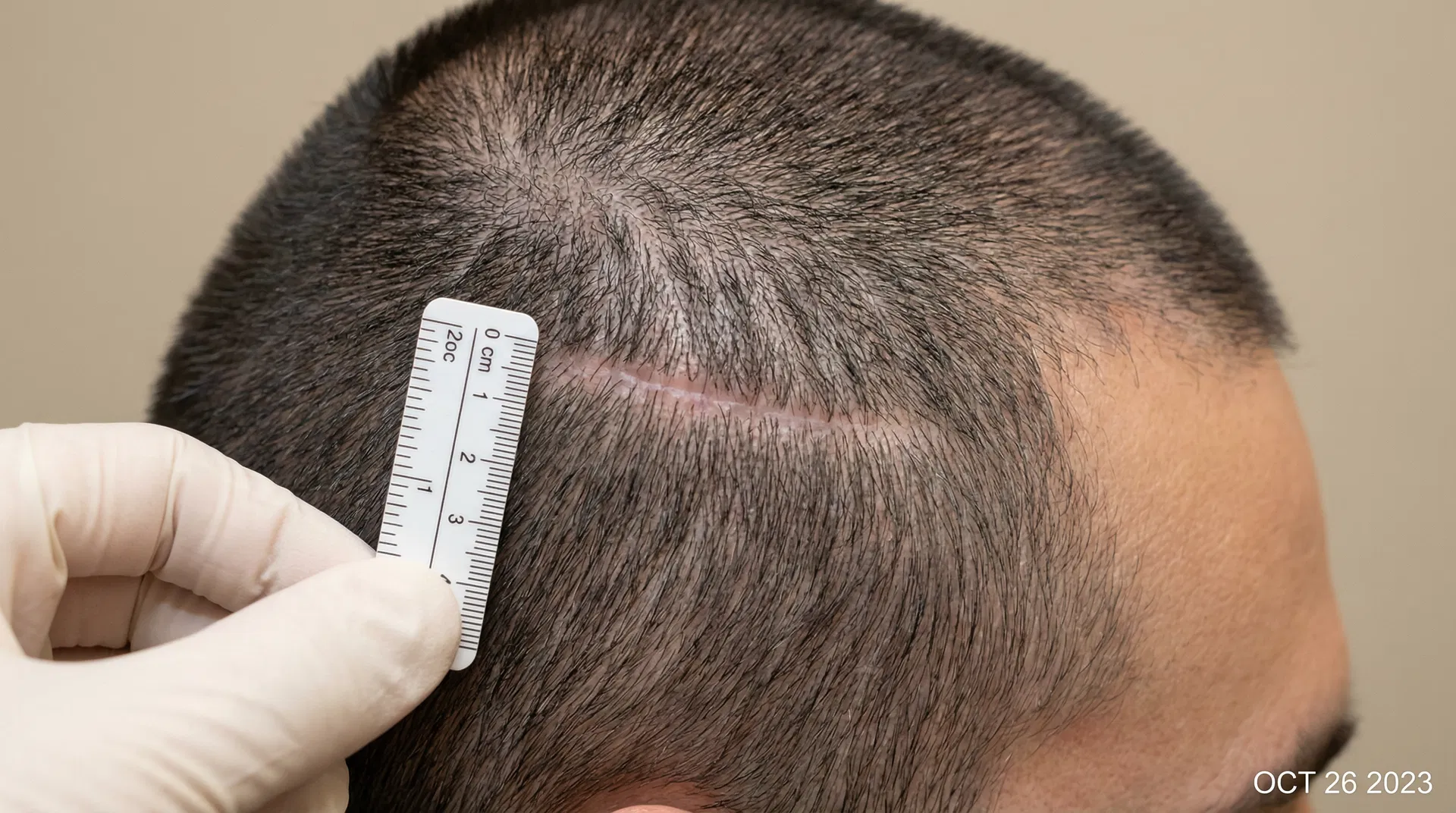
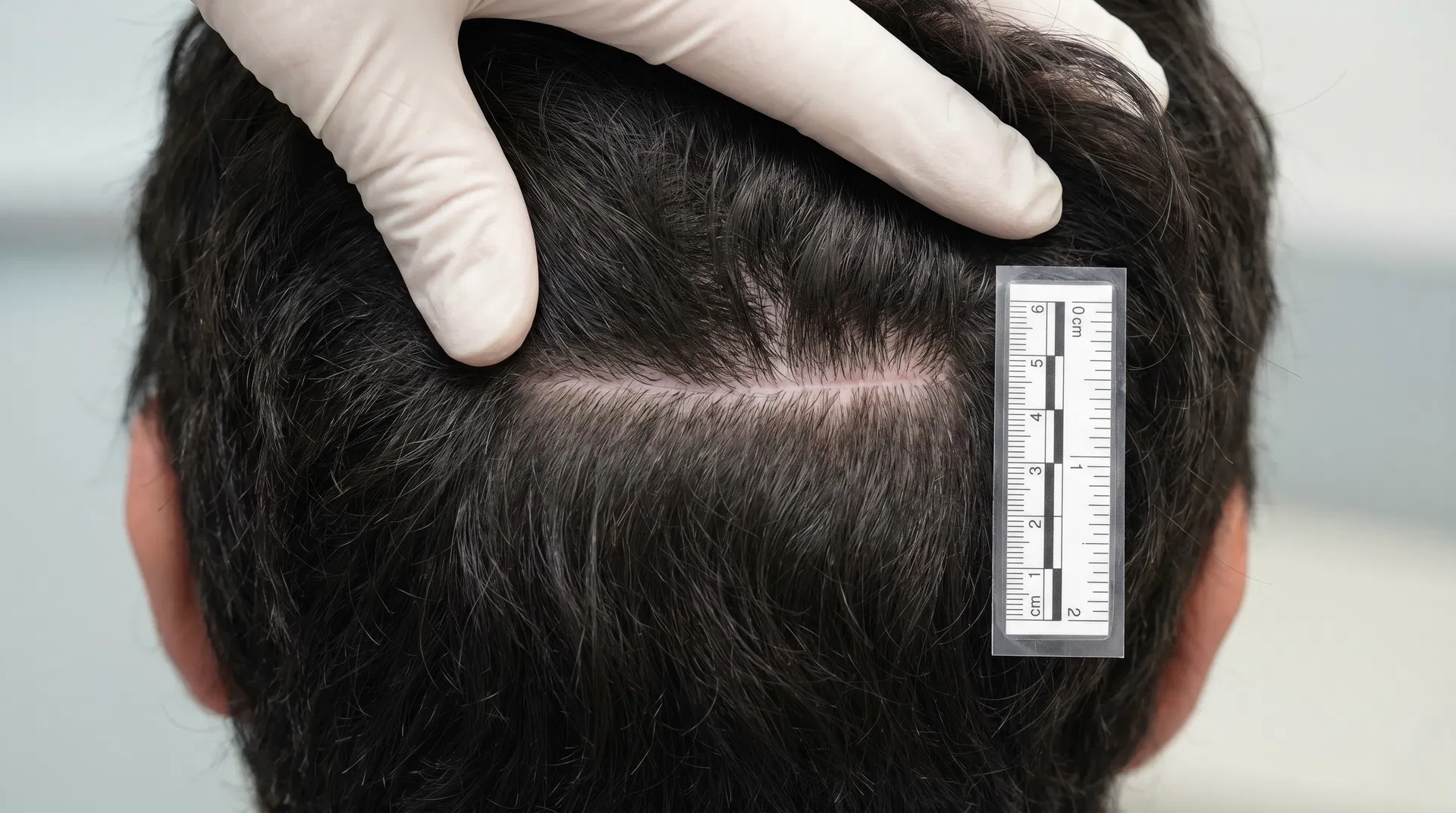
 Characteristics of a FUT scar:
- A single, long line that can stretch from 15 to 25 centimeters across the back of the scalp.
- The width can vary from 1 to 3 millimeters, depending heavily on the surgeon's skill with the closure technique and the patient's individual healing characteristics.
- The scar is permanent and can be quite visible if you wear your hair shorter than a grade 3 or 4, as the hair above needs to be long enough to cover it.
While FUT was once a common method, it is now rarely performed by leading clinics in Turkey. The vast majority of surgeons prefer FUE or its variant, DHI, for their superior aesthetic results in the donor area. A clinic might only recommend FUT in specific cases requiring an exceptionally large number of grafts (over 5,000) in a single session, but even this is becoming less common as FUE techniques improve.
Characteristics of a FUT scar:
- A single, long line that can stretch from 15 to 25 centimeters across the back of the scalp.
- The width can vary from 1 to 3 millimeters, depending heavily on the surgeon's skill with the closure technique and the patient's individual healing characteristics.
- The scar is permanent and can be quite visible if you wear your hair shorter than a grade 3 or 4, as the hair above needs to be long enough to cover it.
While FUT was once a common method, it is now rarely performed by leading clinics in Turkey. The vast majority of surgeons prefer FUE or its variant, DHI, for their superior aesthetic results in the donor area. A clinic might only recommend FUT in specific cases requiring an exceptionally large number of grafts (over 5,000) in a single session, but even this is becoming less common as FUE techniques improve.