The world of hair restoration has seen remarkable progress, moving far beyond older, less refined methods. Today, patients — including a growing number of Canadians — benefit from highly sophisticated techniques that prioritize precision, density, and natural-looking results. Some of the most popular and effective technologies currently used by leading clinics include:
*
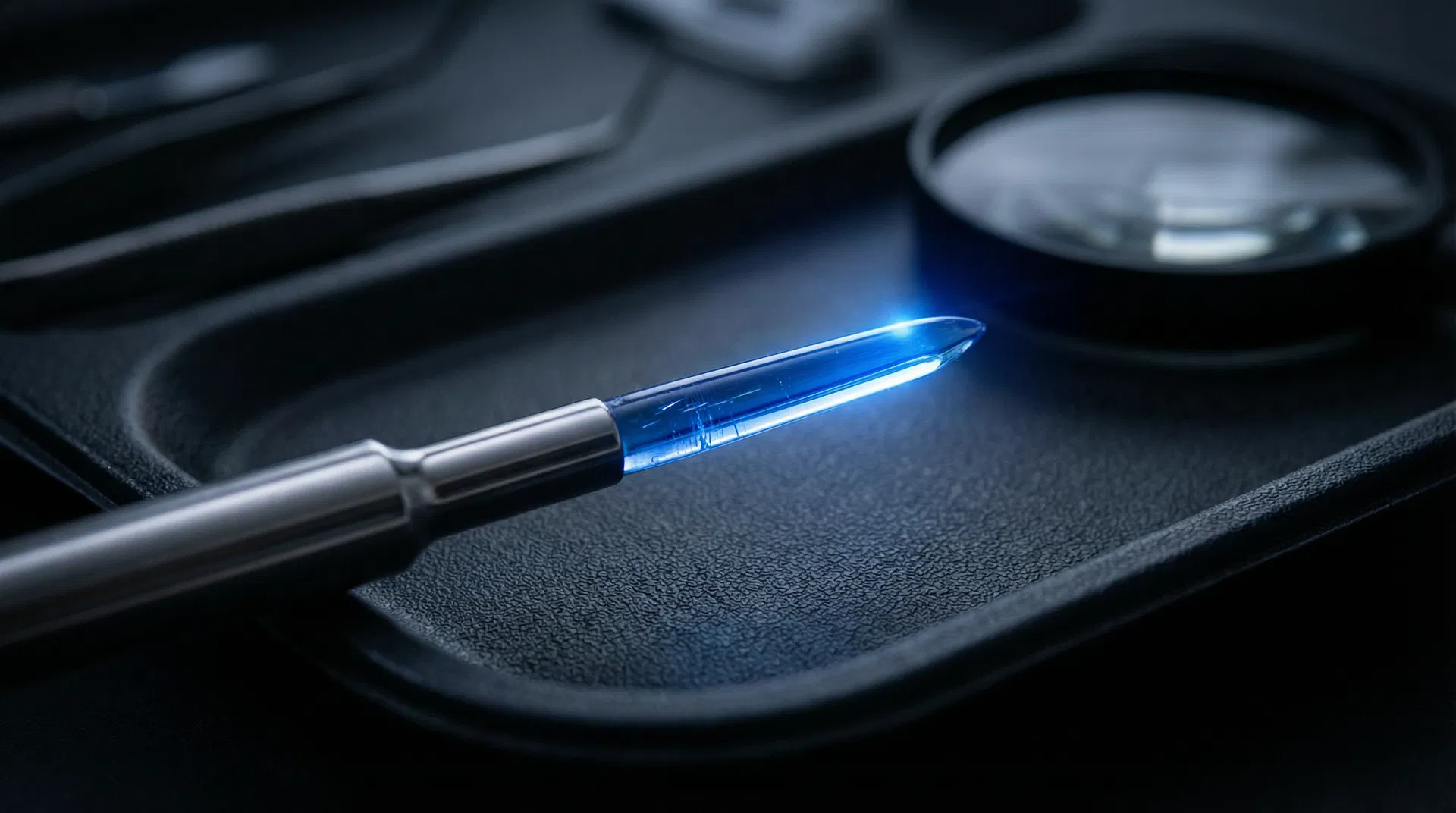
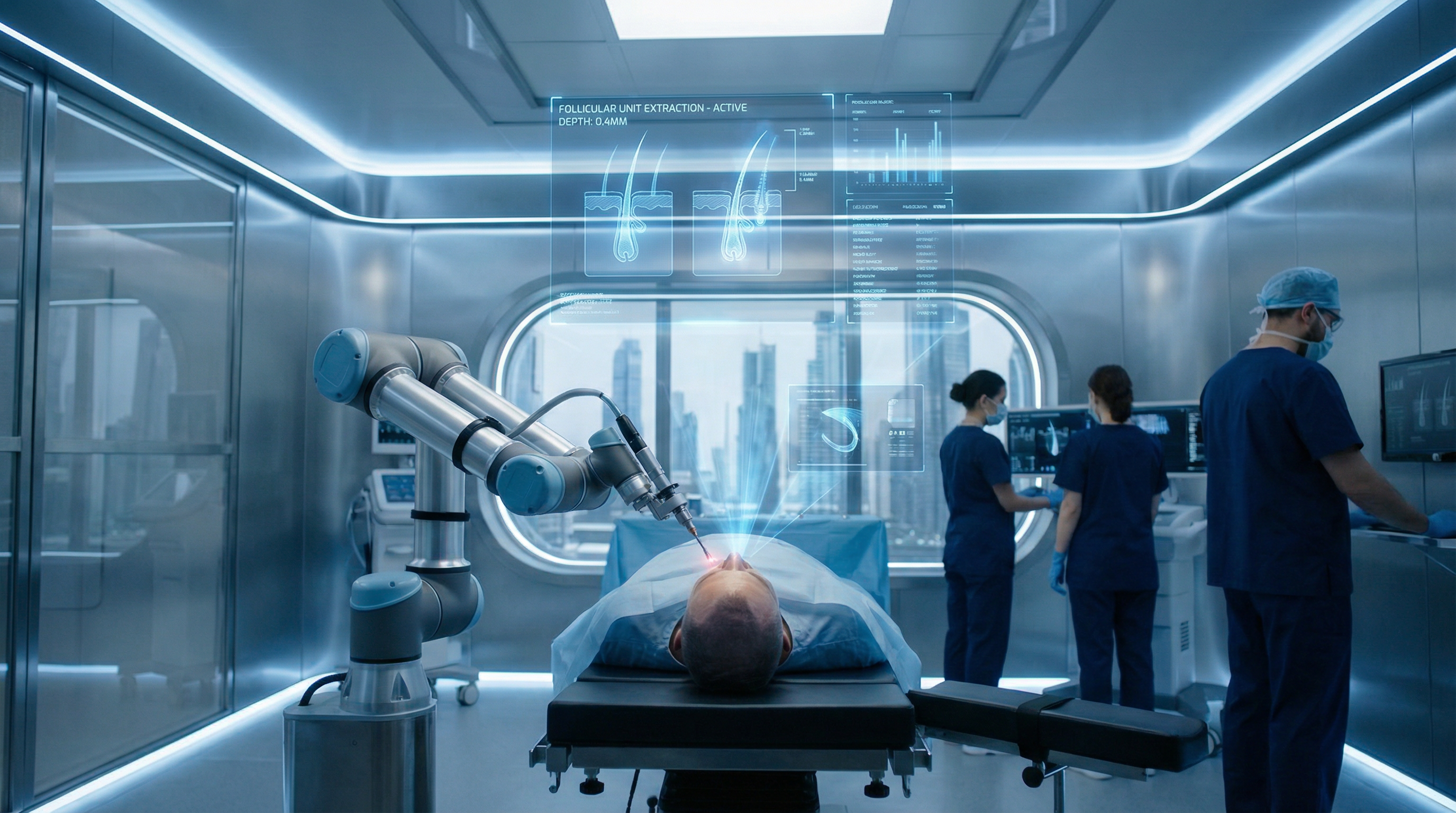
Micro Sapphire FUE: This technique is an evolution of the classic FUE method.

Instead of steel blades, surgeons use blades made from pure sapphire crystals to create the recipient channels where grafts are placed. These blades are significantly sharper and finer, allowing for smaller, V-shaped incisions rather than larger, U-shaped ones. The primary benefits for patients are reduced tissue trauma, which leads to faster healing times, less scarring, and the ability to create a more densely packed, natural-looking hairline.
*
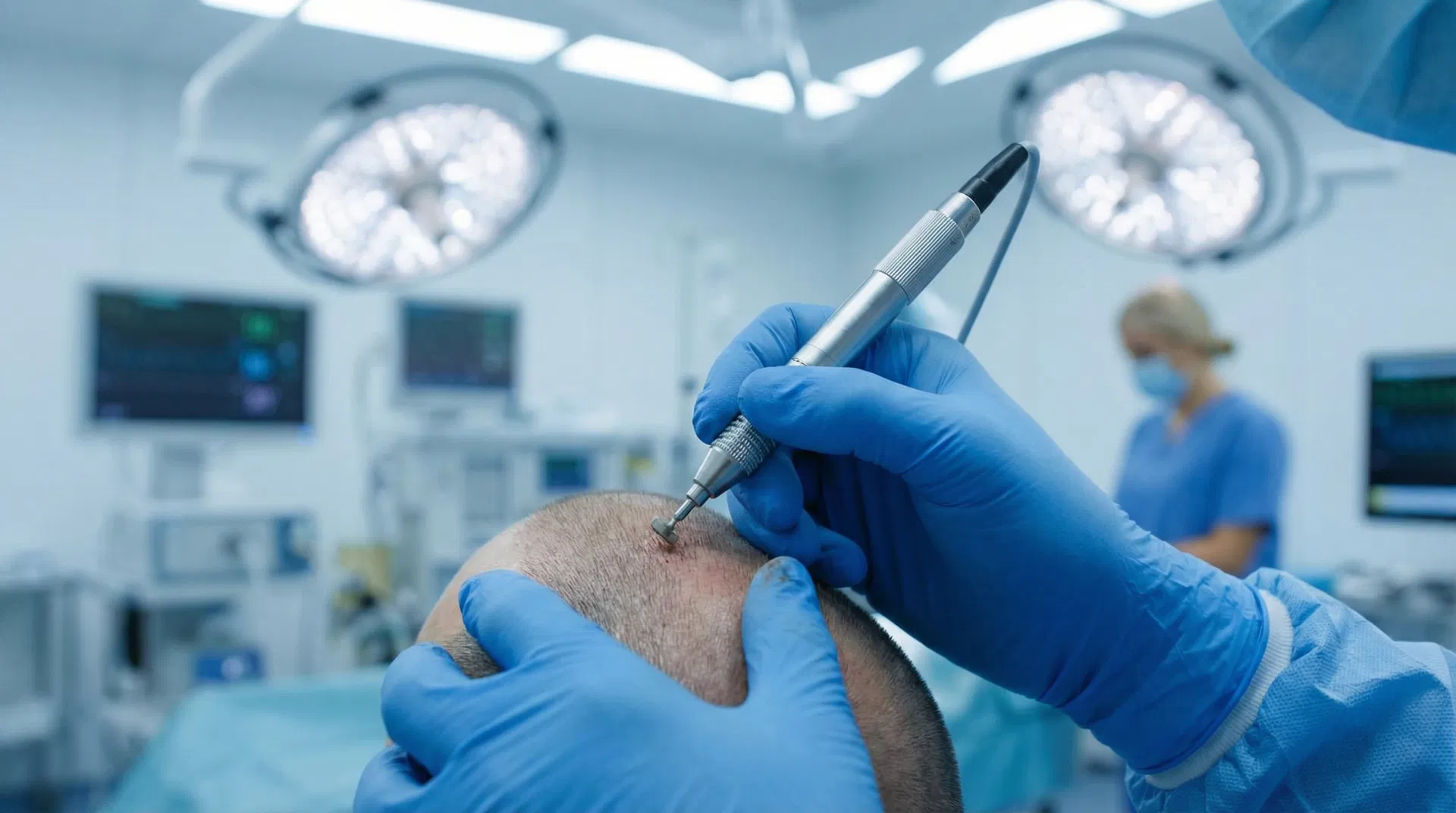
DHI (Direct Hair Implantation): With the DHI method, extracted follicles are loaded into a special implanter pen, known as a Choi Pen, and implanted directly into the scalp. This process combines channel creation and implantation into a single step, minimizing the time the grafts spend outside the body. This can lead to higher graft survival rates. Surgeons also have exceptional control over the angle, depth, and direction of each implanted hair, which is crucial for achieving a truly natural appearance, especially in visible areas like the hairline.
*
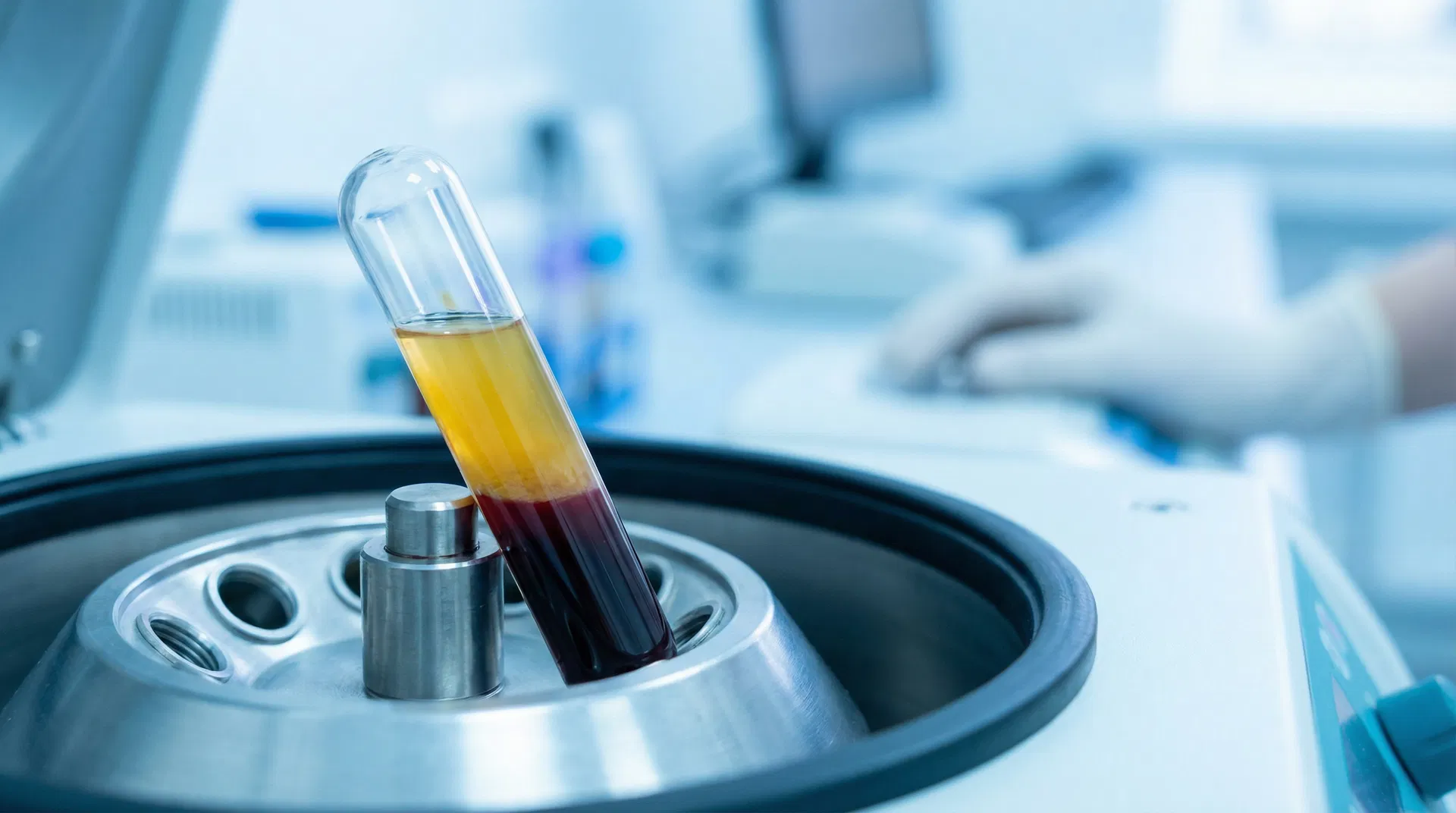
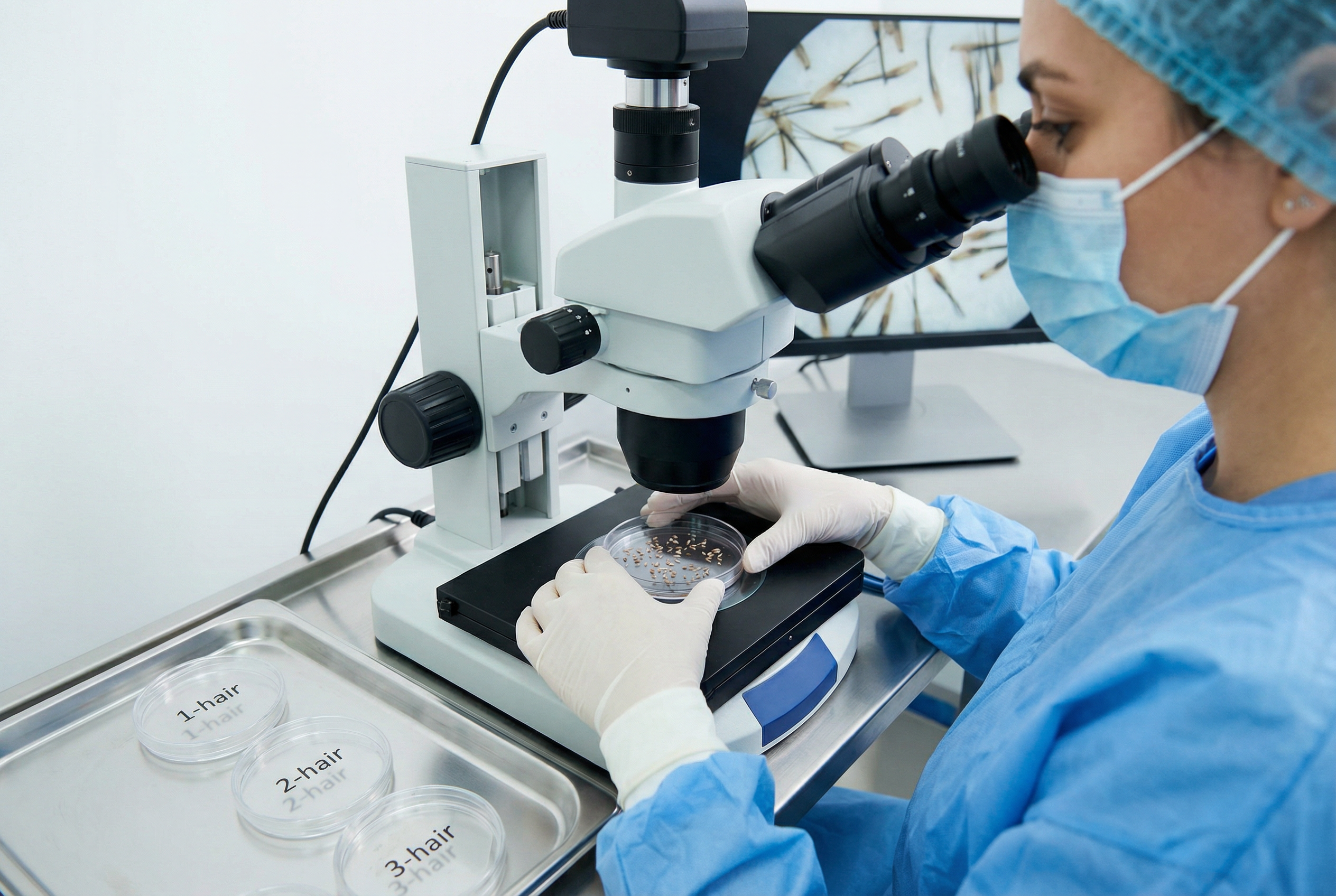
Advanced Graft Preservation: The health of the hair follicle between extraction and implantation is critical. Top clinics now use specialized preservation solutions, like HypoThermosol, which are chilled to an optimal temperature. These solutions are formulated to nourish the follicles and protect them from dehydration and damage, significantly improving the viability and ultimate success rate of the transplanted grafts.
 Current Limitations:
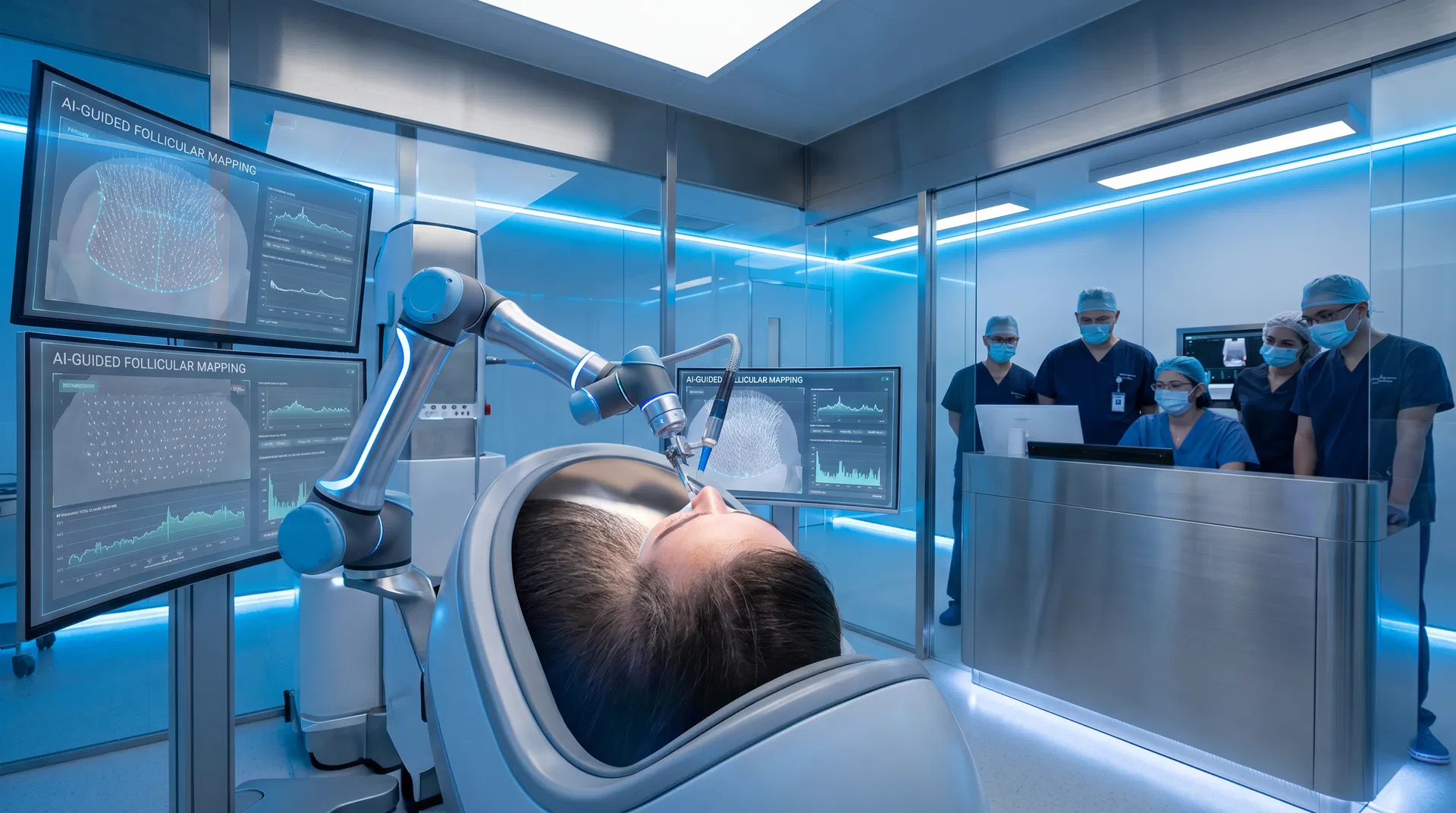
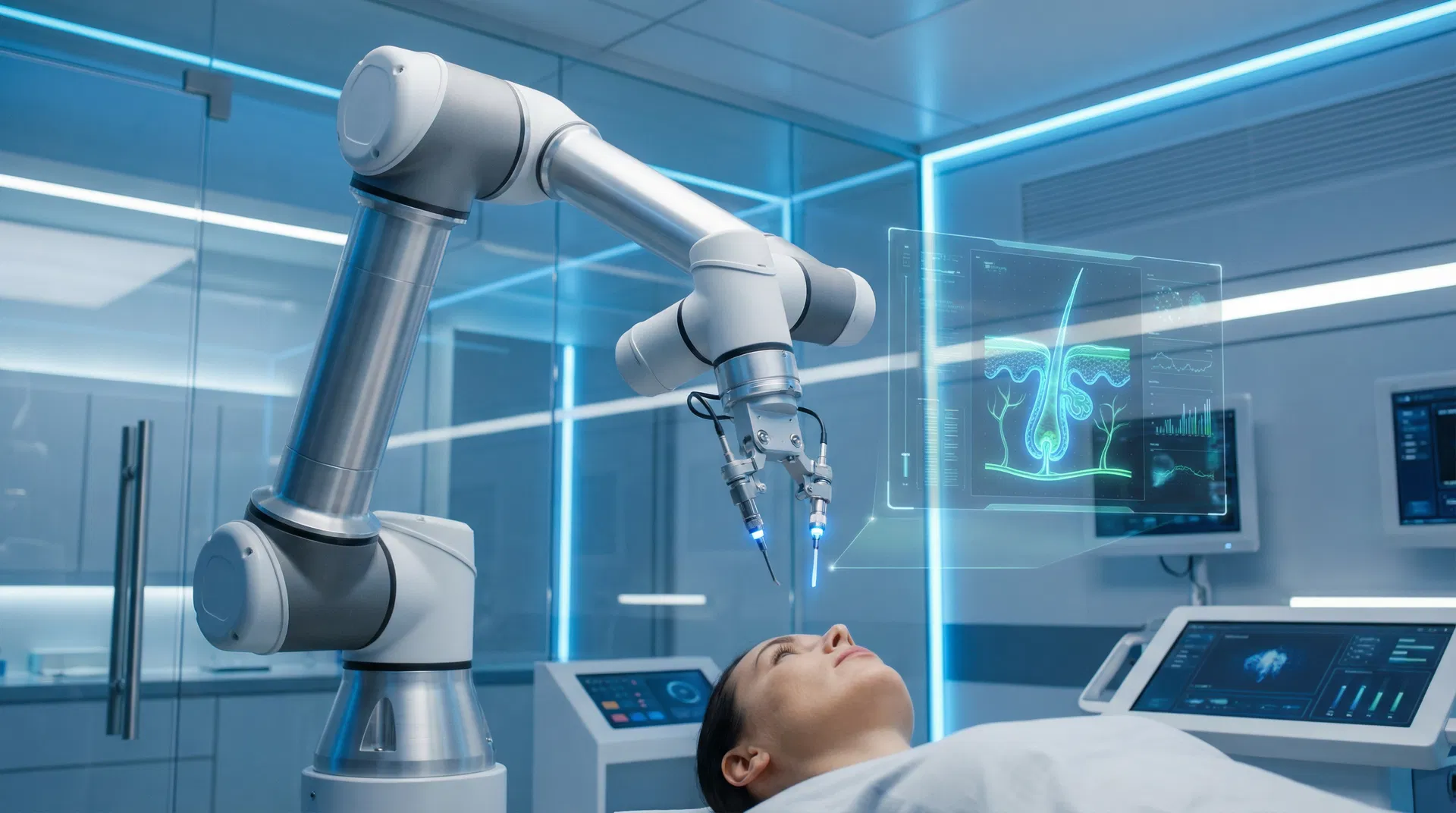
Despite its technological prowess, robotic FUE is not a fully autonomous solution. A skilled human surgeon is still essential for overseeing the robot, planning the extraction, and, most importantly, performing the critical implantation phase, which robots cannot yet do. Many of the most reviewed and experienced surgeons, particularly in leading destinations like Turkey, continue to favor manual or motorized FUE. They argue that their tactile feedback and artistic judgment allow for a level of nuance and adaptability that current robotic systems cannot match, especially when dealing with varied hair characteristics and complex cases. The high cost of the equipment also means that procedures involving robotics are often more expensive.
Current Limitations:
Despite its technological prowess, robotic FUE is not a fully autonomous solution. A skilled human surgeon is still essential for overseeing the robot, planning the extraction, and, most importantly, performing the critical implantation phase, which robots cannot yet do. Many of the most reviewed and experienced surgeons, particularly in leading destinations like Turkey, continue to favor manual or motorized FUE. They argue that their tactile feedback and artistic judgment allow for a level of nuance and adaptability that current robotic systems cannot match, especially when dealing with varied hair characteristics and complex cases. The high cost of the equipment also means that procedures involving robotics are often more expensive.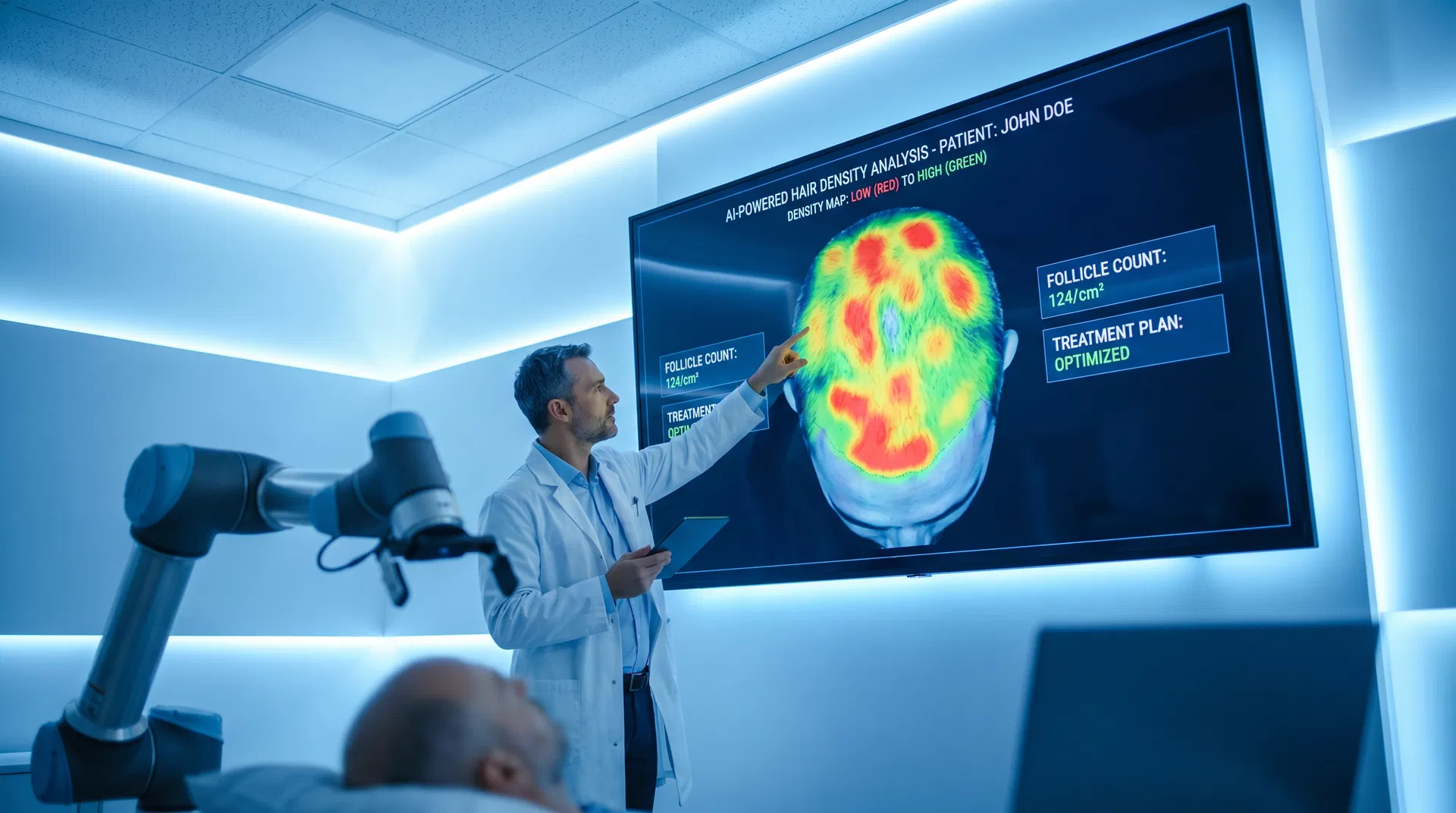 * Gene Therapy and Bioprinting: Looking even further into the future, scientists are exploring gene therapy to target the underlying genetic causes of androgenetic alopecia. The idea is to "switch off" the genes responsible for hair loss. Another fascinating area is 3D-bioprinting, where researchers hope to one day print fully functional hair follicles complete with their surrounding structures. These concepts are still in the very early stages of research and are not expected to be available for many years.