The financial benefits of choosing Turkey for your hair transplant are substantial, especially when you consider that travel is a necessary component for Prairie residents regardless of their choice of clinic. Let's break down the potential costs to provide a clearer picture.
Option 1: Domestic Procedure in Toronto (Traveling from the Prairies)
- Procedure Cost: $12,000 to $20,000 CAD
- Round-Trip Flights to Toronto: $400 to $700 CAD
- Accommodation in Toronto: $150 to $250 per night for 3 to 5 nights
-
Estimated Total: $13,000 to $22,000 CAD
Option 2: All-Inclusive Package in Turkey (Traveling from the Prairies)
- All-Inclusive Package (including procedure, hotel, and ground transport): $2,000 to $7,000 CAD
- Round-Trip Flights to Istanbul: $1,100 to $2,000 CAD
- Personal Spending Money: $500 to $800 CAD
-
Estimated Total: $3,600 to $9,800 CAD
The potential savings are significant, ranging from $7,000 to $14,000 CAD. This cost difference allows you to receive high-quality care from some of the most reviewed surgeons in the world without the financial strain of domestic treatment. For more detailed information on what contributes to these costs,
check out the guide.
We offer free consultations for patients across Manitoba and Saskatchewan.
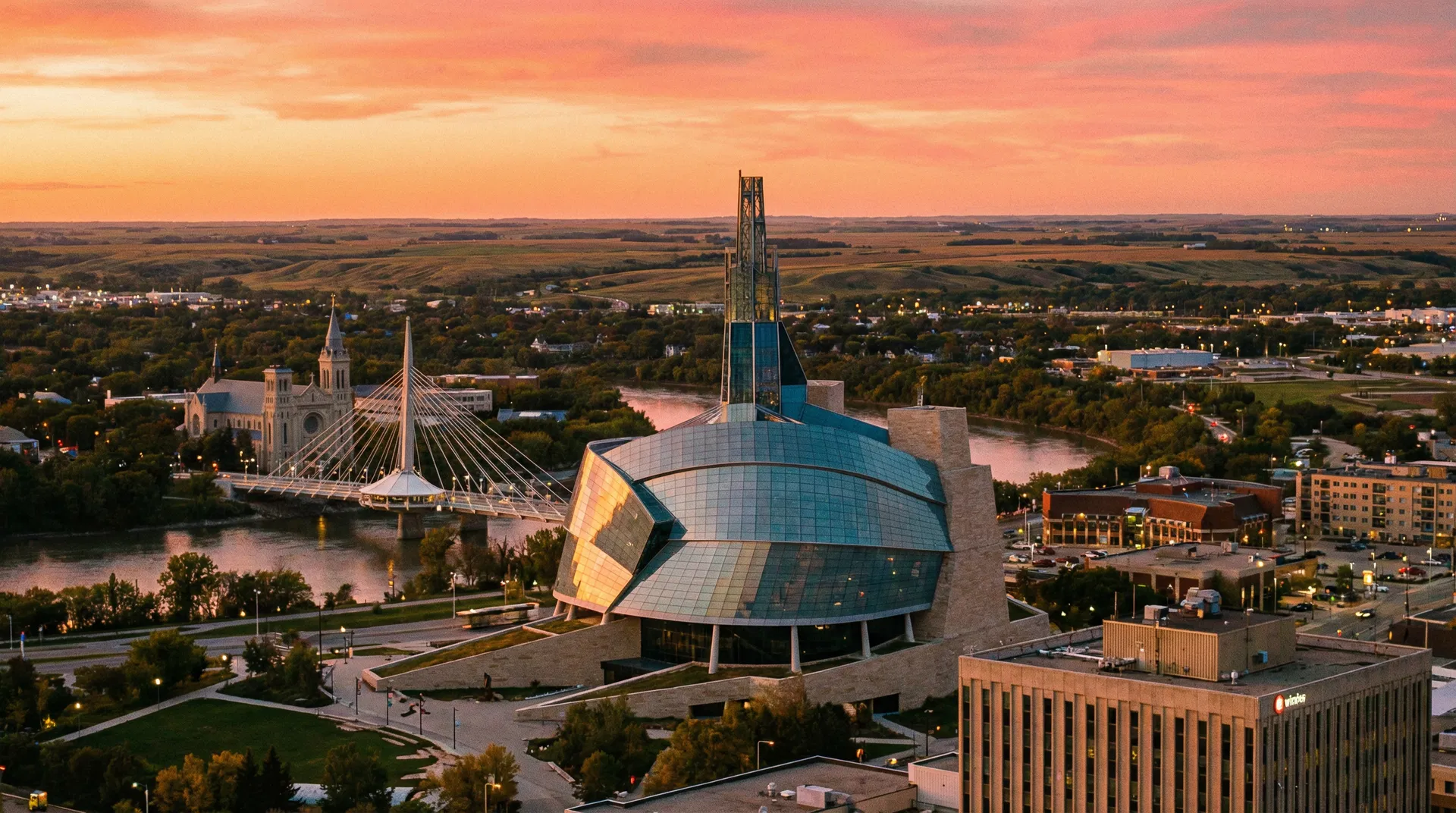
 For individuals experiencing hair loss in prairie provinces like Manitoba and Saskatchewan, the search for local hair transplant clinics can be a significant challenge. Major urban centers such as Winnipeg, Saskatoon, and Regina have very few, if any, specialized hair restoration clinics. This scarcity of local options means that residents often need to consider traveling to find experienced surgeons and reputable facilities. The nearest well-regarded clinics are typically located in major Canadian hubs like Toronto or Vancouver, which necessitates air travel and accommodation expenses regardless.
This unique situation, however, presents a silver lining. Since traveling is almost a given, it opens up the opportunity to consider international destinations renowned for their expertise in hair restoration. Turkey, in particular, has emerged as the global leader in this field, offering state-of-the-art procedures at a fraction of the cost.
For individuals experiencing hair loss in prairie provinces like Manitoba and Saskatchewan, the search for local hair transplant clinics can be a significant challenge. Major urban centers such as Winnipeg, Saskatoon, and Regina have very few, if any, specialized hair restoration clinics. This scarcity of local options means that residents often need to consider traveling to find experienced surgeons and reputable facilities. The nearest well-regarded clinics are typically located in major Canadian hubs like Toronto or Vancouver, which necessitates air travel and accommodation expenses regardless.
This unique situation, however, presents a silver lining. Since traveling is almost a given, it opens up the opportunity to consider international destinations renowned for their expertise in hair restoration. Turkey, in particular, has emerged as the global leader in this field, offering state-of-the-art procedures at a fraction of the cost.
 The decision then becomes clearer: if you have to fly for a hair transplant, why not fly to a destination where you can receive world-class treatment and potentially save over ten thousand dollars in the process?
 From Saskatoon (YXE) or Regina (YQR):
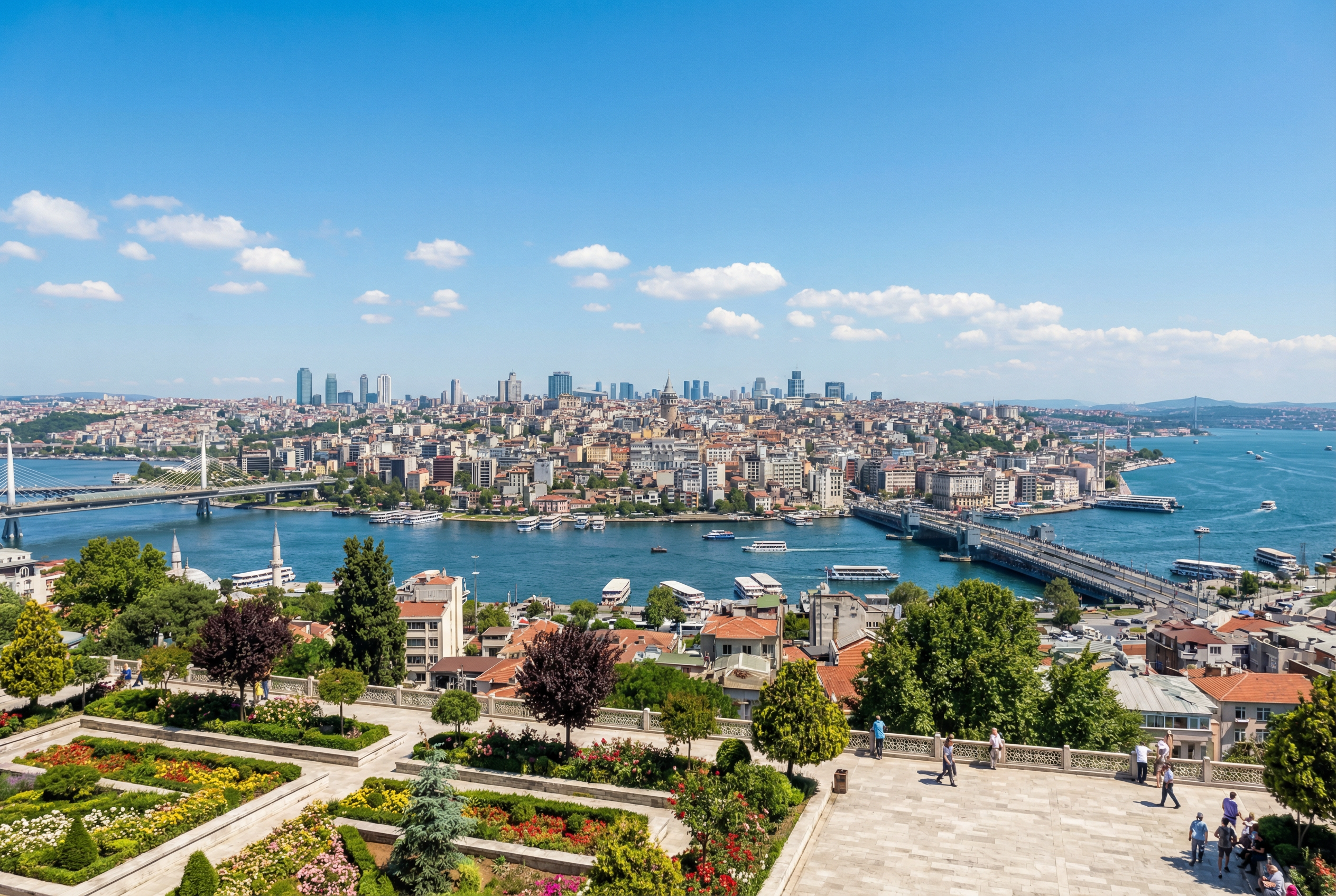
For those traveling from Saskatoon or Regina, the journey will typically involve an additional connection. You can fly to a larger Canadian city like Calgary or Toronto first, and then connect to an international flight to Istanbul. This adds a few hours to the total travel time, which generally ranges from 18 to 22 hours. Based in the Prairies and considering a transplant?
A useful tip for travelers is to look for airlines that offer free stopovers. Icelandair, for example, has been known to provide competitive fares from Winnipeg that include a complimentary stopover in Iceland. This can be a fantastic way to turn your medical journey into a memorable two-destination adventure.
From Saskatoon (YXE) or Regina (YQR):
For those traveling from Saskatoon or Regina, the journey will typically involve an additional connection. You can fly to a larger Canadian city like Calgary or Toronto first, and then connect to an international flight to Istanbul. This adds a few hours to the total travel time, which generally ranges from 18 to 22 hours. Based in the Prairies and considering a transplant?
A useful tip for travelers is to look for airlines that offer free stopovers. Icelandair, for example, has been known to provide competitive fares from Winnipeg that include a complimentary stopover in Iceland. This can be a fantastic way to turn your medical journey into a memorable two-destination adventure.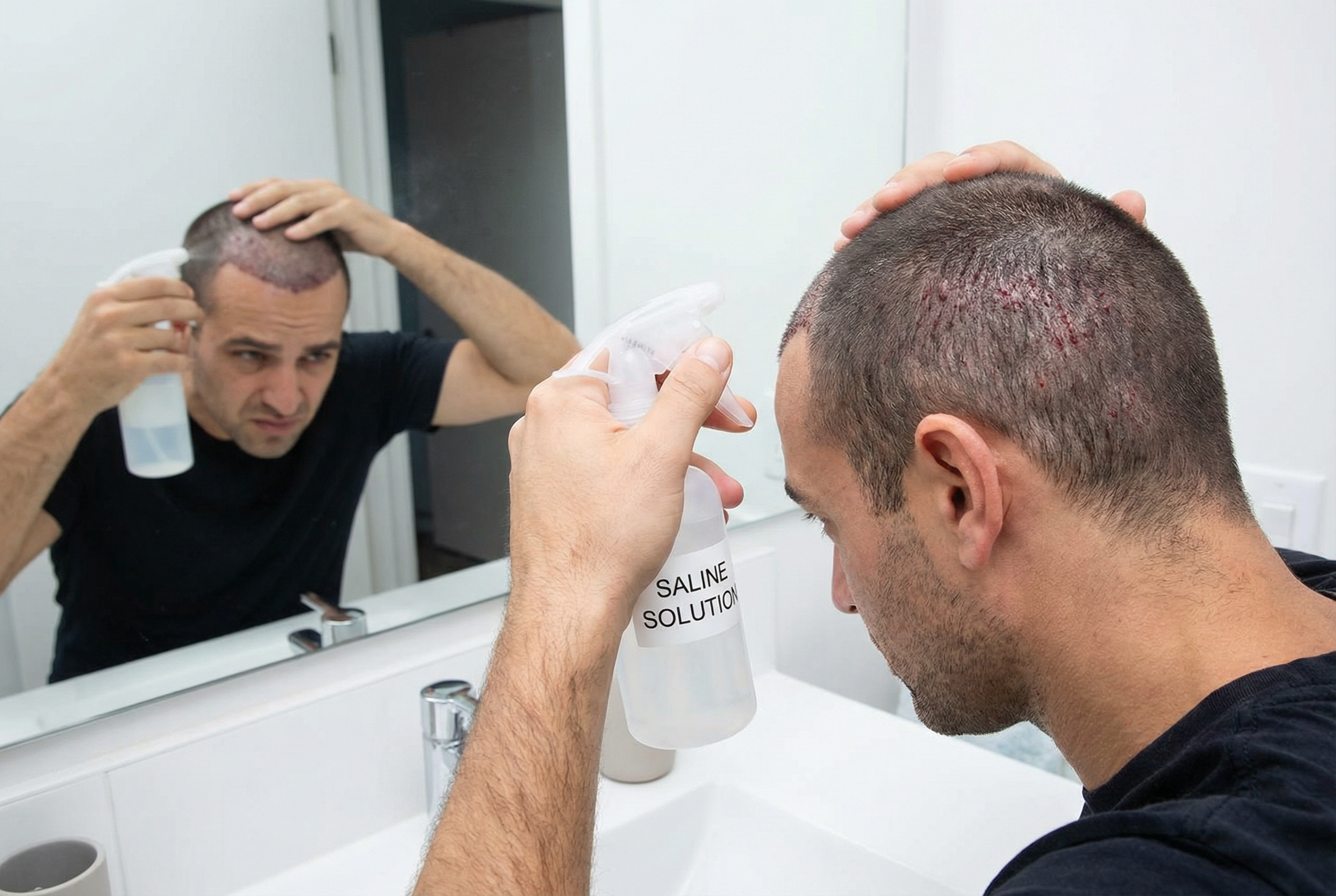 To counteract the dryness, it is highly recommended to invest in a good quality humidifier for your home. Running it regularly will help maintain a more balanced indoor humidity level, which is beneficial for your scalp as it heals. Additionally, be diligent in using the moisturizing sprays and lotions provided by your clinic in Turkey. These products are specifically designed to keep the transplanted area hydrated and promote healthy graft survival.
The extreme cold of Prairie winters also has an unexpected benefit. You will likely be wearing a toque or beanie to stay warm, which provides the perfect cover for a healing scalp. No one will think twice about your headwear when the temperature drops to minus 30 degrees Celsius. For those who work outdoors, particularly in farming or construction, it is wise to schedule your transplant during a quieter period when you can remain indoors for at least the first two weeks. Protecting your scalp from harsh sun and wind exposure is essential for optimal healing and to achieve the best possible results. You can learn more about the full recovery process in our
To counteract the dryness, it is highly recommended to invest in a good quality humidifier for your home. Running it regularly will help maintain a more balanced indoor humidity level, which is beneficial for your scalp as it heals. Additionally, be diligent in using the moisturizing sprays and lotions provided by your clinic in Turkey. These products are specifically designed to keep the transplanted area hydrated and promote healthy graft survival.
The extreme cold of Prairie winters also has an unexpected benefit. You will likely be wearing a toque or beanie to stay warm, which provides the perfect cover for a healing scalp. No one will think twice about your headwear when the temperature drops to minus 30 degrees Celsius. For those who work outdoors, particularly in farming or construction, it is wise to schedule your transplant during a quieter period when you can remain indoors for at least the first two weeks. Protecting your scalp from harsh sun and wind exposure is essential for optimal healing and to achieve the best possible results. You can learn more about the full recovery process in our