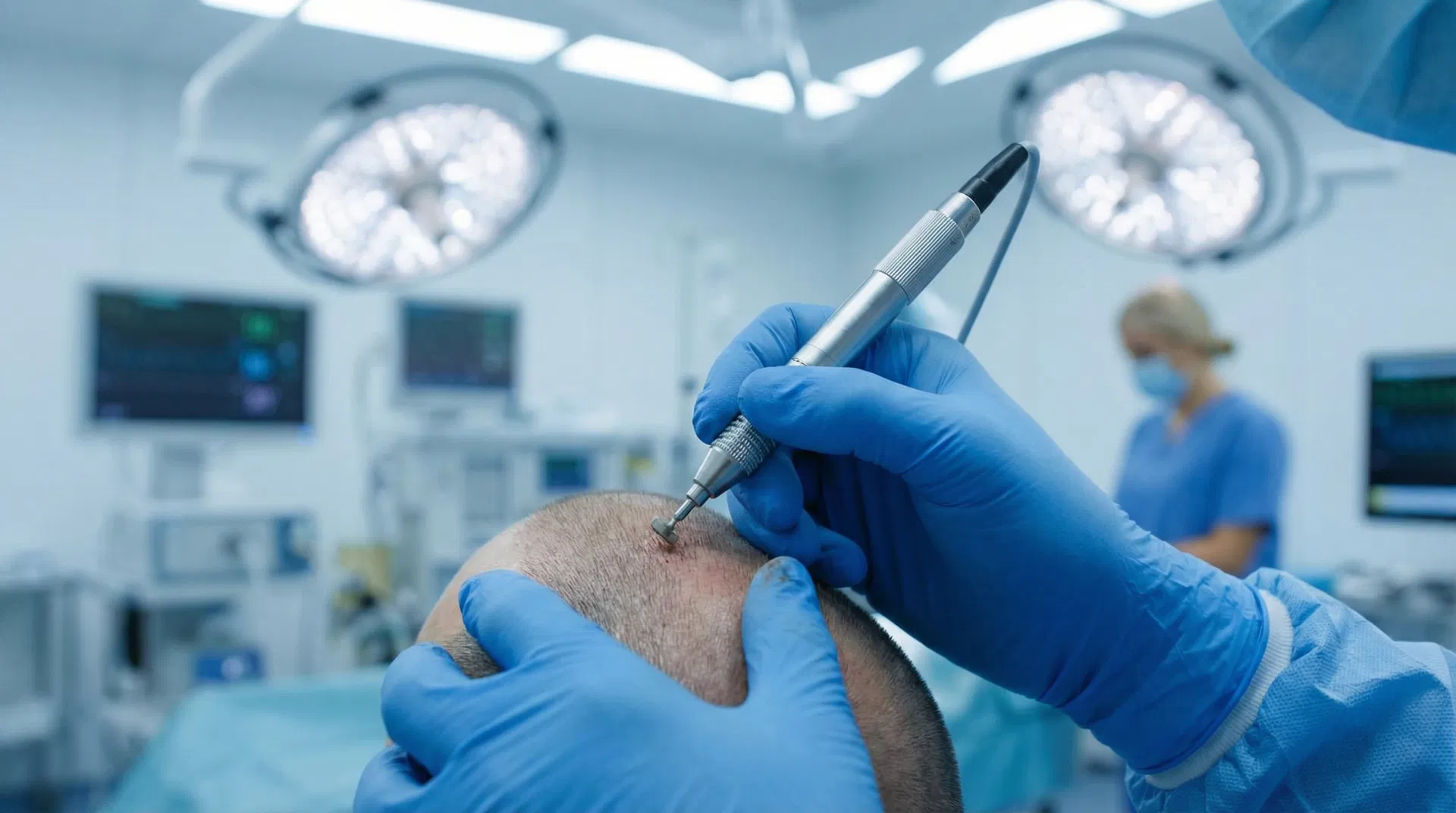
PRP therapy is also a powerful tool for individuals who are not undergoing a hair transplant. It is most effective for patients who are in the earlier stages of hair loss, such as those classified as Norwood stages 1 to 3, or those experiencing diffuse thinning across the scalp rather than concentrated bald spots. It is also an excellent option for younger patients whose hair loss has not yet stabilized, making them unsuitable candidates for a transplant surgery. By starting PRP early, it's possible to slow the rate of thinning and strengthen the existing hair.
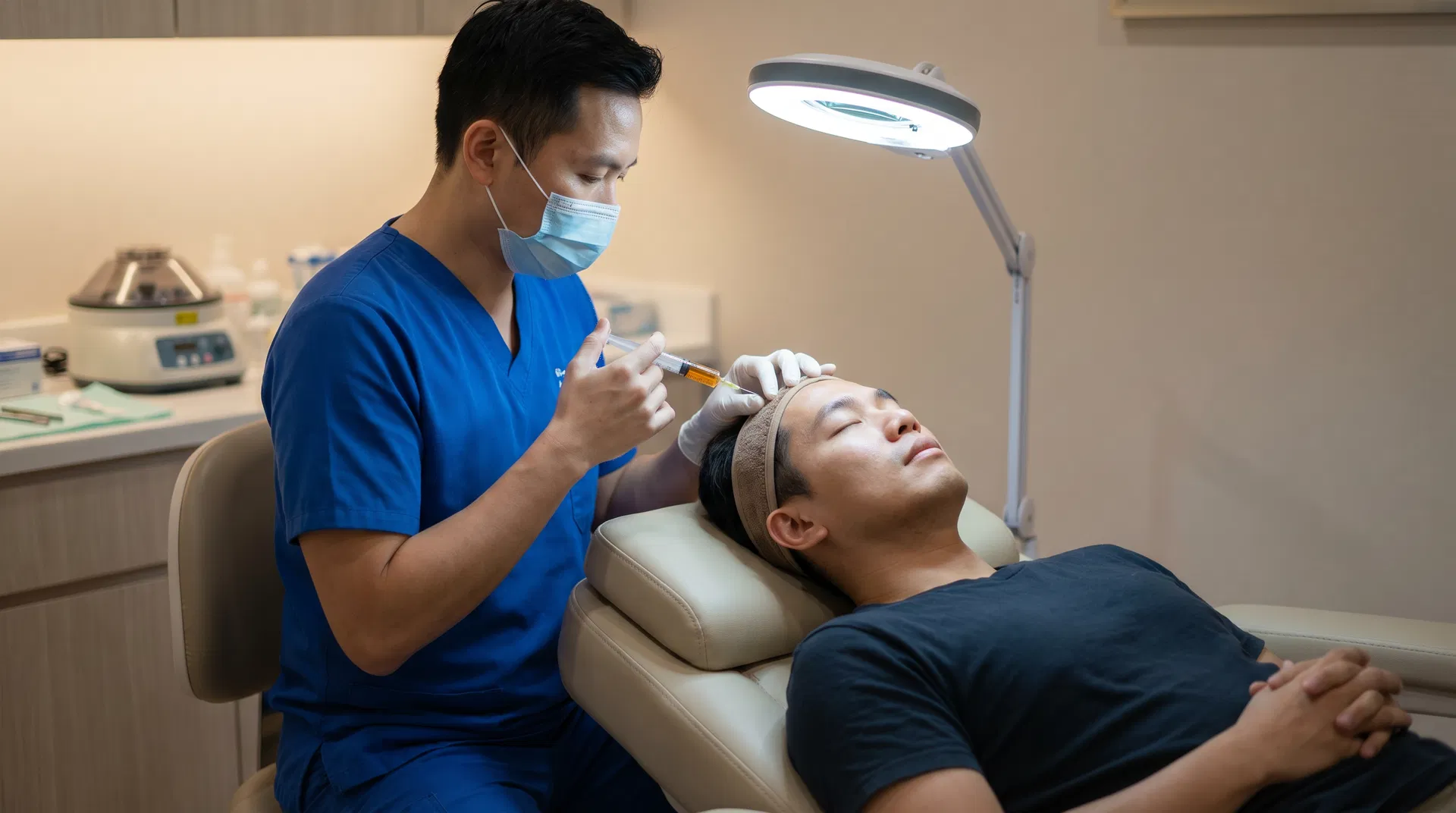
A standard treatment plan for standalone PRP typically involves an initial series of three to four sessions, with each session spaced four to six weeks apart. This initial phase is designed to saturate the scalp with growth factors and initiate a strong regenerative response. Following this, maintenance sessions are generally recommended every six to twelve months to preserve the results and continue combating the progression of hair loss. While outcomes can vary from person to person, many patients observe a noticeable reduction in hair shedding, an increase in hair thickness and shaft diameter, and improved overall scalp coverage within three to six months of starting treatment. For more details on different procedures,
discover the details.
Contact us for a free consultation on the best treatment plan for your goals.
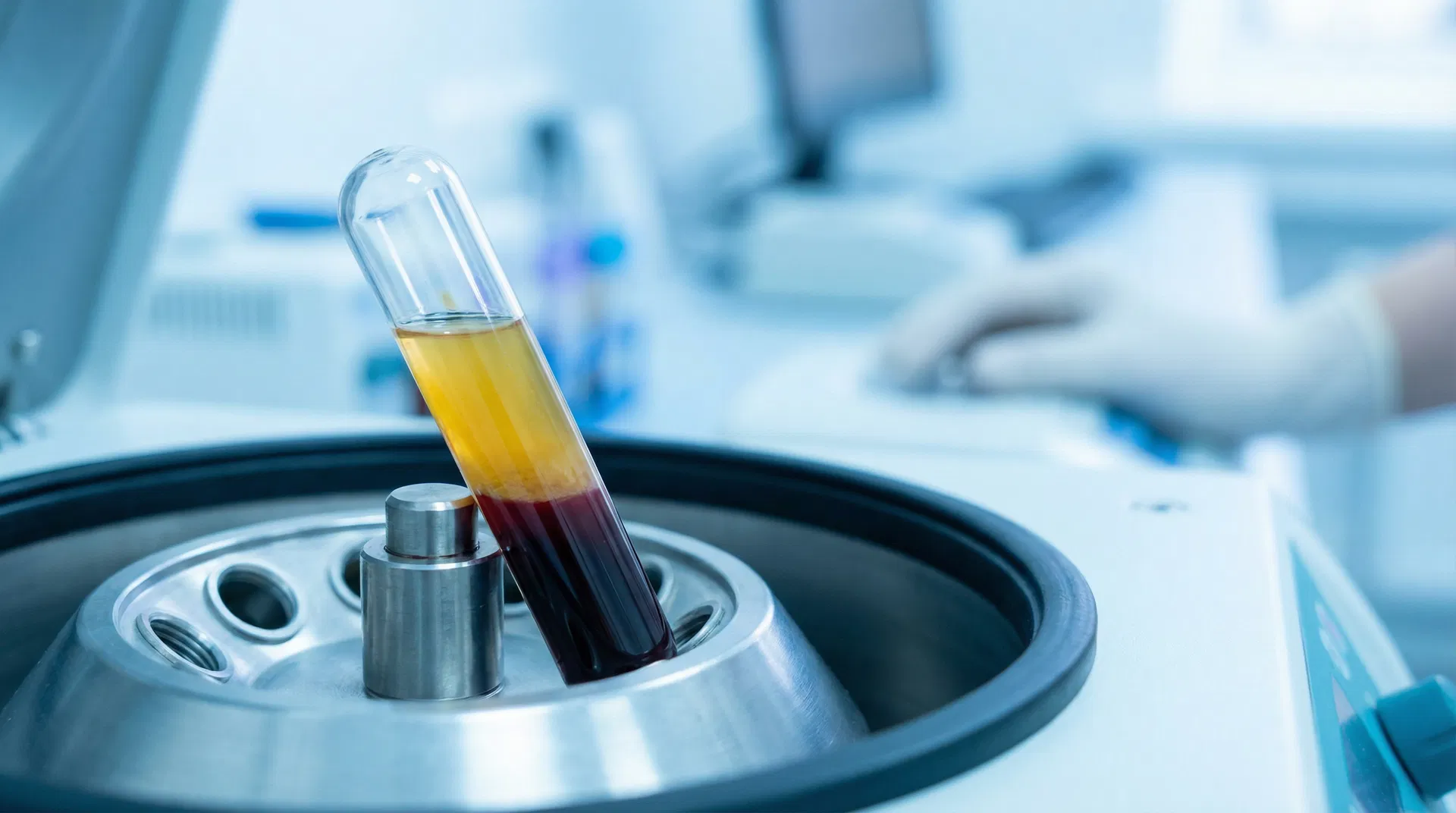
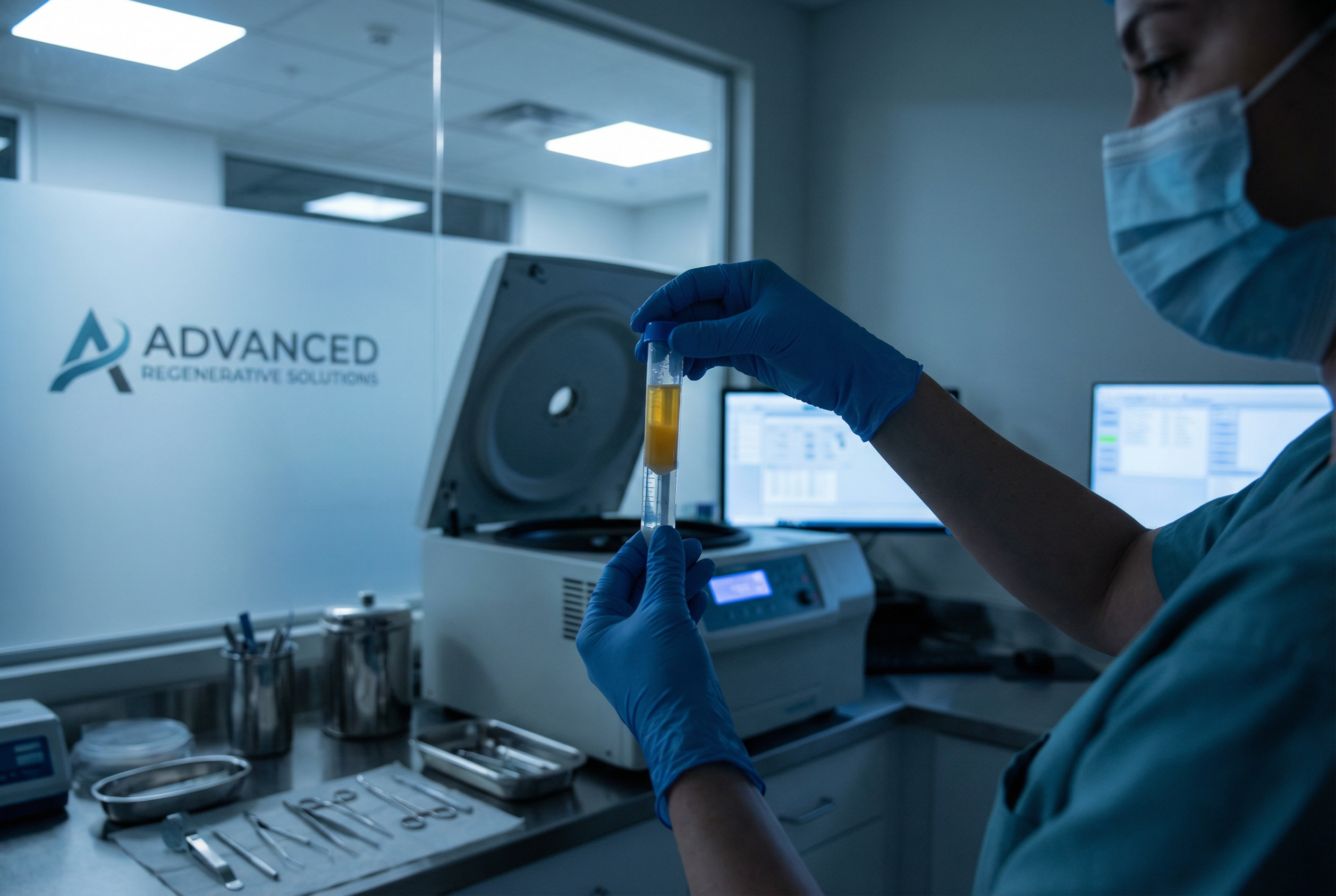
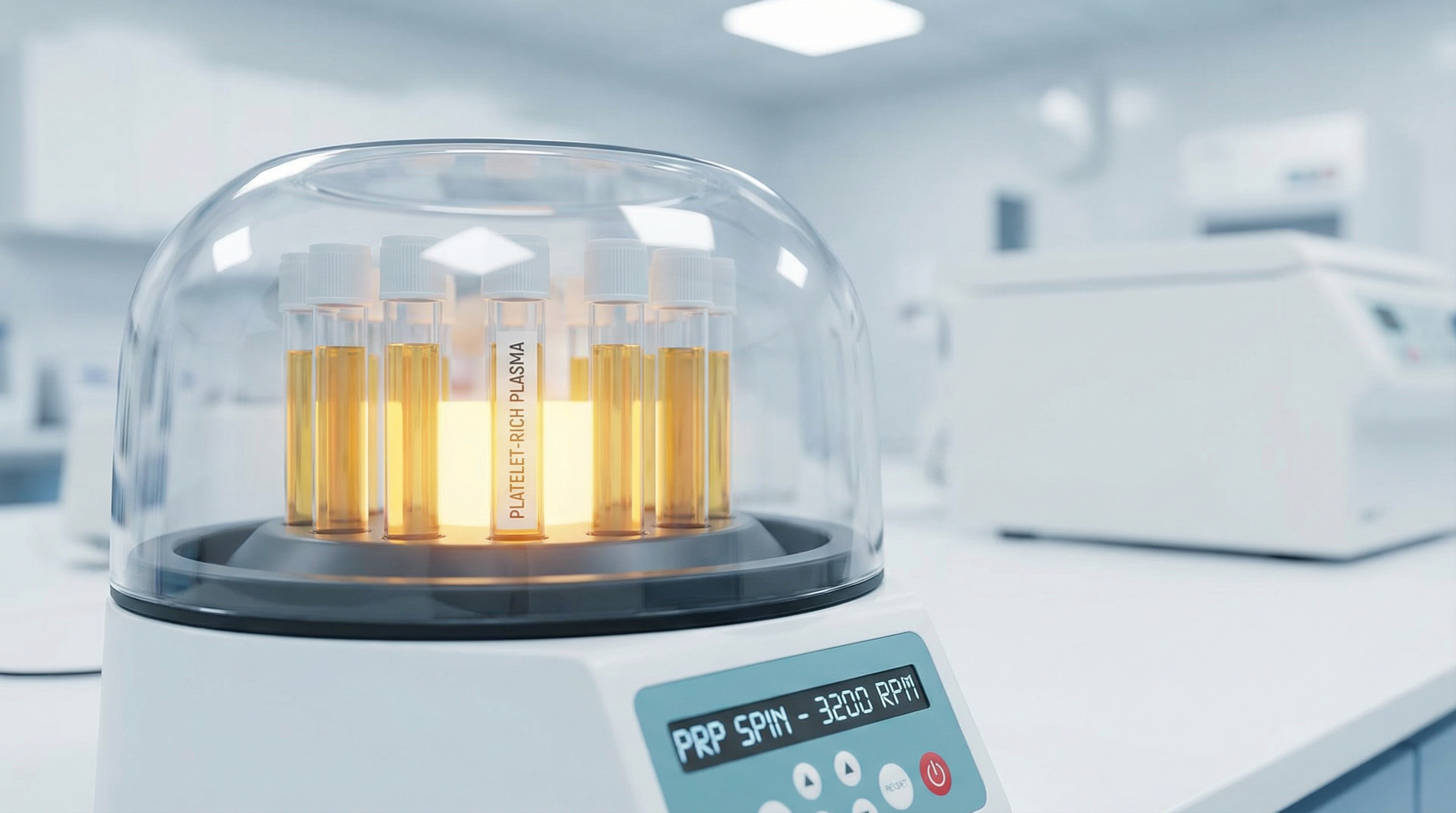
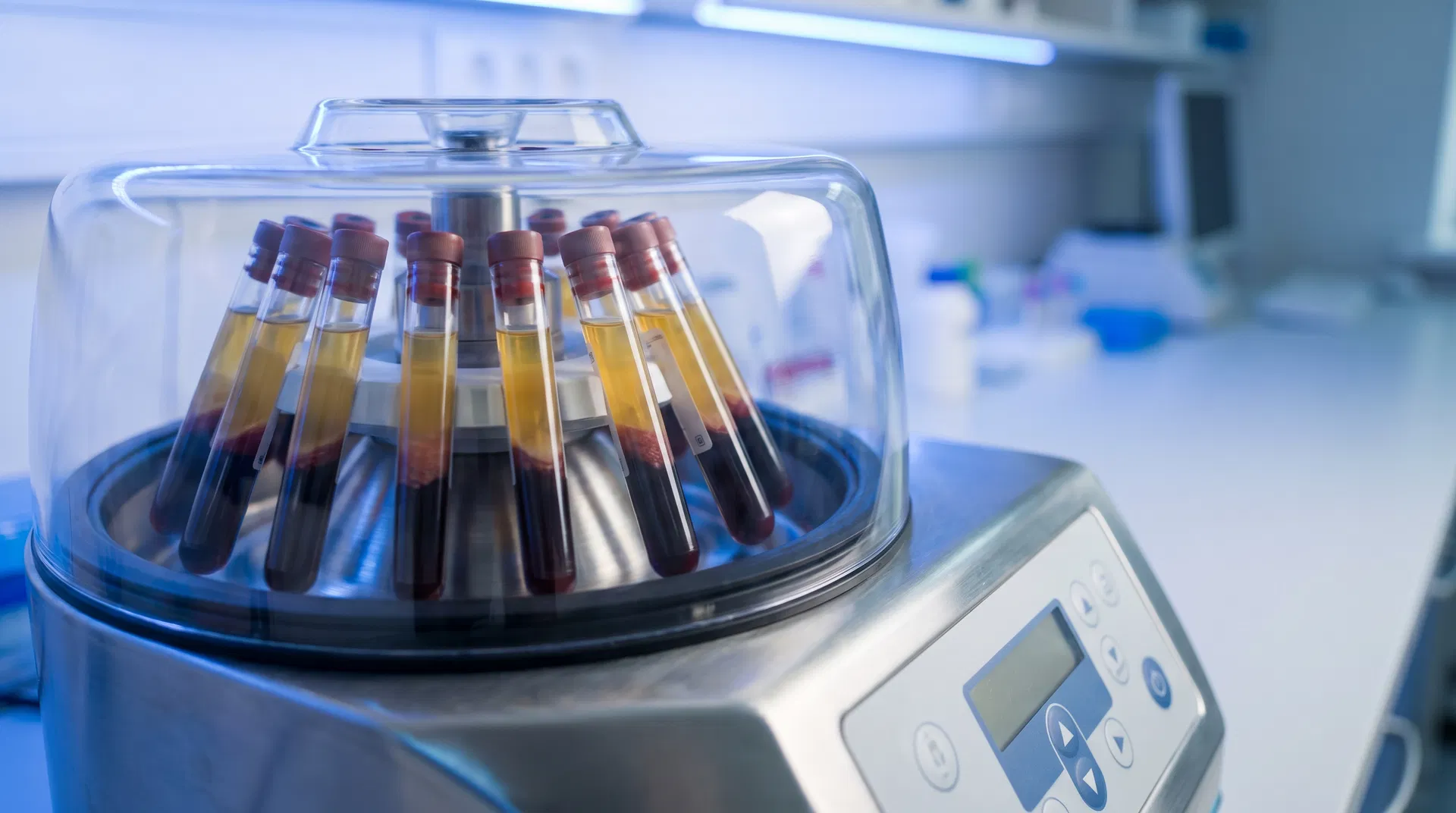 Platelet-Rich Plasma (PRP) therapy is a non-surgical medical treatment designed to stimulate hair growth by leveraging the healing properties of your own blood. The process is straightforward and typically completed in under an hour. It begins with a standard blood draw from your arm. This blood is then placed into a centrifuge, a machine that spins at high speed to separate the blood components. This process isolates the platelets and concentrates them within a small volume of plasma, creating the "platelet-rich plasma."
 This concentrated plasma, rich in powerful growth factors, is then meticulously injected into the areas of the scalp experiencing hair loss. These growth factors are essential proteins that play a crucial role in the body's natural healing processes. When injected into the scalp, they are thought to:
- Awaken dormant hair follicles, encouraging them to re-enter the growth phase.
- Significantly improve blood flow and circulation to the scalp, delivering more oxygen and nutrients to the hair roots.
- Accelerate the healing and tissue regeneration process, which is particularly beneficial after a hair transplant procedure.
- Strengthen the shafts of existing hair, leading to a thicker and more robust appearance.
- Potentially slow down the progression of androgenetic alopecia (pattern hair loss) in some individuals.
Due to its regenerative capabilities, PRP is versatile. It is widely used as a complementary therapy to improve the outcomes of a hair transplant and as a standalone treatment for individuals in the early stages of hair loss.
This concentrated plasma, rich in powerful growth factors, is then meticulously injected into the areas of the scalp experiencing hair loss. These growth factors are essential proteins that play a crucial role in the body's natural healing processes. When injected into the scalp, they are thought to:
- Awaken dormant hair follicles, encouraging them to re-enter the growth phase.
- Significantly improve blood flow and circulation to the scalp, delivering more oxygen and nutrients to the hair roots.
- Accelerate the healing and tissue regeneration process, which is particularly beneficial after a hair transplant procedure.
- Strengthen the shafts of existing hair, leading to a thicker and more robust appearance.
- Potentially slow down the progression of androgenetic alopecia (pattern hair loss) in some individuals.
Due to its regenerative capabilities, PRP is versatile. It is widely used as a complementary therapy to improve the outcomes of a hair transplant and as a standalone treatment for individuals in the early stages of hair loss. Clinical studies and surgeon experience suggest that incorporating PRP can increase the survival rate of transplanted grafts by 10 to 15 percent. This boost can make a noticeable difference in the final density and overall appearance of the hair. Furthermore, patients often report that their new hair begins to grow one to two months earlier than it might have otherwise. Interested in combining PRP with your transplant?
For those seeking to maximize their results, many surgeons recommend a follow-up protocol of additional PRP sessions. These are often scheduled at three, six, and twelve months post-transplant to continuously support the new hair as it matures and thickens, ensuring the best possible long-term outcome.
Clinical studies and surgeon experience suggest that incorporating PRP can increase the survival rate of transplanted grafts by 10 to 15 percent. This boost can make a noticeable difference in the final density and overall appearance of the hair. Furthermore, patients often report that their new hair begins to grow one to two months earlier than it might have otherwise. Interested in combining PRP with your transplant?
For those seeking to maximize their results, many surgeons recommend a follow-up protocol of additional PRP sessions. These are often scheduled at three, six, and twelve months post-transplant to continuously support the new hair as it matures and thickens, ensuring the best possible long-term outcome.