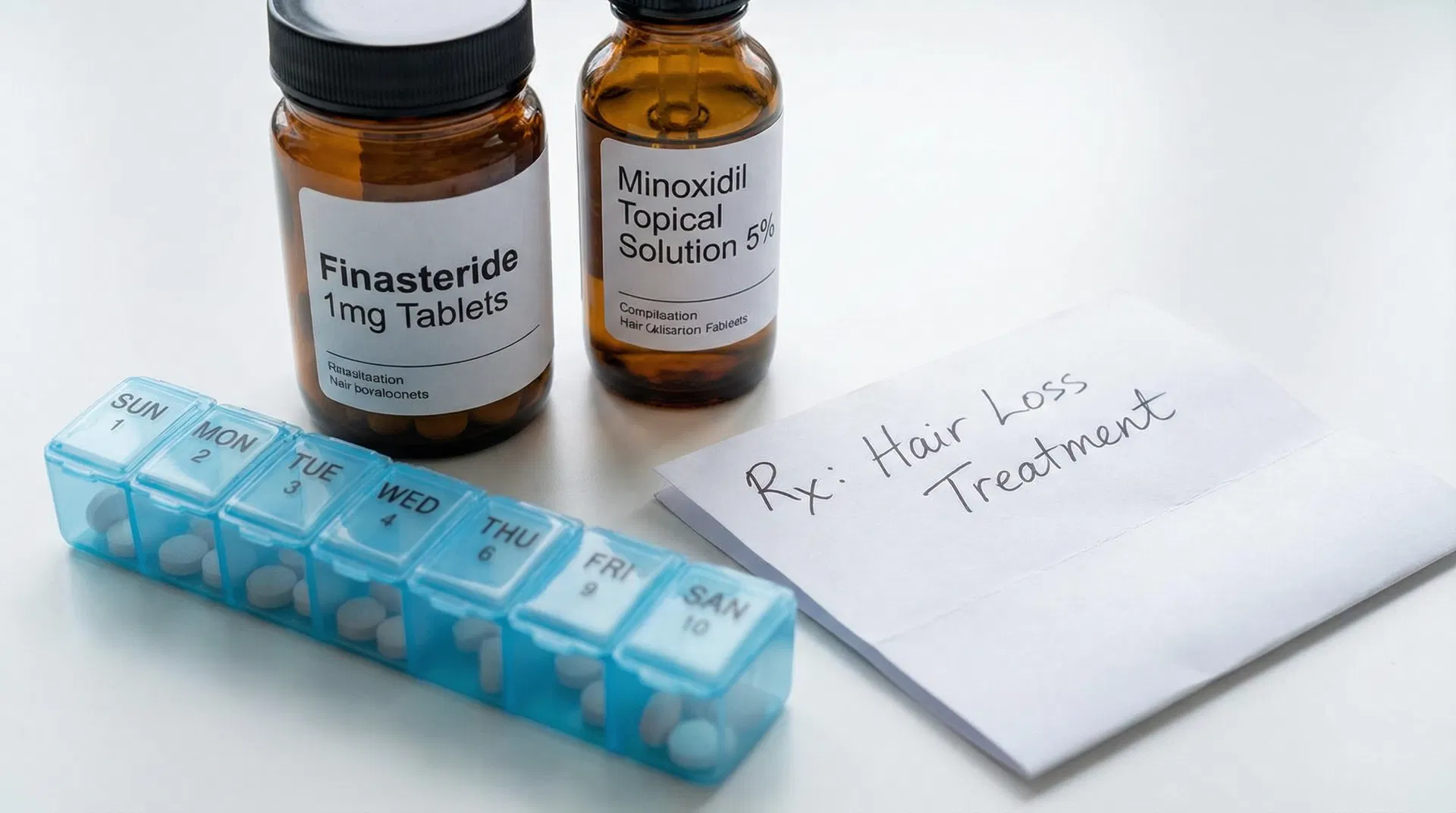
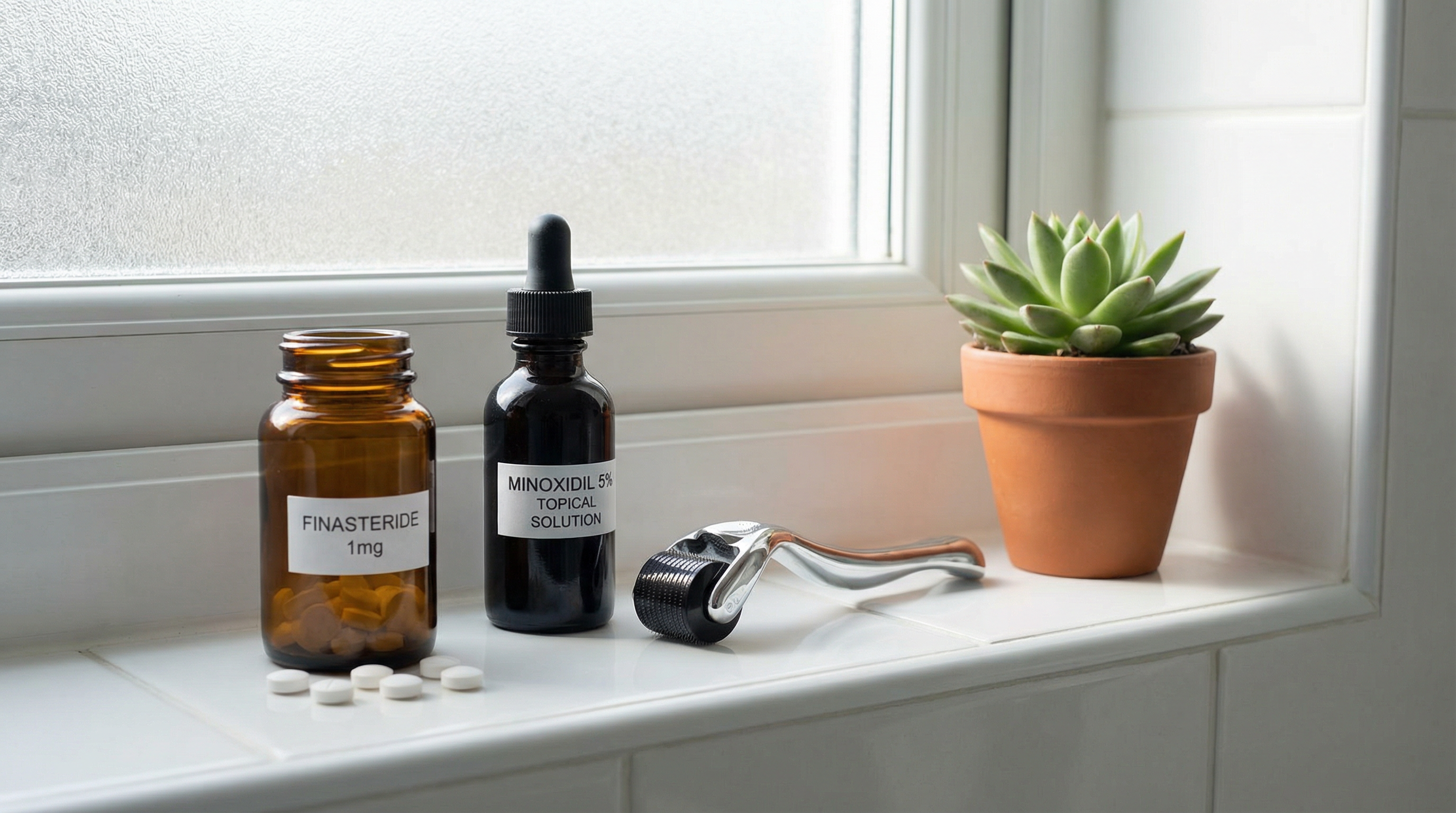
 How it works: It effectively lowers DHT levels by approximately 70%, providing a robust defense against the progression of androgenetic alopecia.
Effectiveness: Clinical studies have shown that it can halt further hair loss in up to 90% of men, with around 65% experiencing some degree of hair regrowth over time.
Dosage: The standard dosage is a 1mg oral tablet taken once daily.
Availability: Finasteride is a prescription medication, so you will need to consult with a doctor to determine if it is the right treatment for you.
While most men tolerate Finasteride well, a small percentage, typically between 2 to 4%, may experience side effects such as a decreased libido or erectile dysfunction. These side effects are generally reversible and tend to resolve after discontinuing the medication. For those undergoing a hair transplant, many surgeons recommend using Finasteride to protect the native, non-transplanted hair from future thinning. This proactive approach can significantly enhance the long-term success and aesthetic appearance of your hair transplant results.
How it works: It effectively lowers DHT levels by approximately 70%, providing a robust defense against the progression of androgenetic alopecia.
Effectiveness: Clinical studies have shown that it can halt further hair loss in up to 90% of men, with around 65% experiencing some degree of hair regrowth over time.
Dosage: The standard dosage is a 1mg oral tablet taken once daily.
Availability: Finasteride is a prescription medication, so you will need to consult with a doctor to determine if it is the right treatment for you.
While most men tolerate Finasteride well, a small percentage, typically between 2 to 4%, may experience side effects such as a decreased libido or erectile dysfunction. These side effects are generally reversible and tend to resolve after discontinuing the medication. For those undergoing a hair transplant, many surgeons recommend using Finasteride to protect the native, non-transplanted hair from future thinning. This proactive approach can significantly enhance the long-term success and aesthetic appearance of your hair transplant results.Loading...
 - Finasteride: Systemically blocks the production of DHT, addressing the root hormonal cause of hair loss and preventing further follicular damage.
- Minoxidil: Topically stimulates the hair follicles, promoting regrowth and increasing hair density by improving blood flow and nutrient delivery.
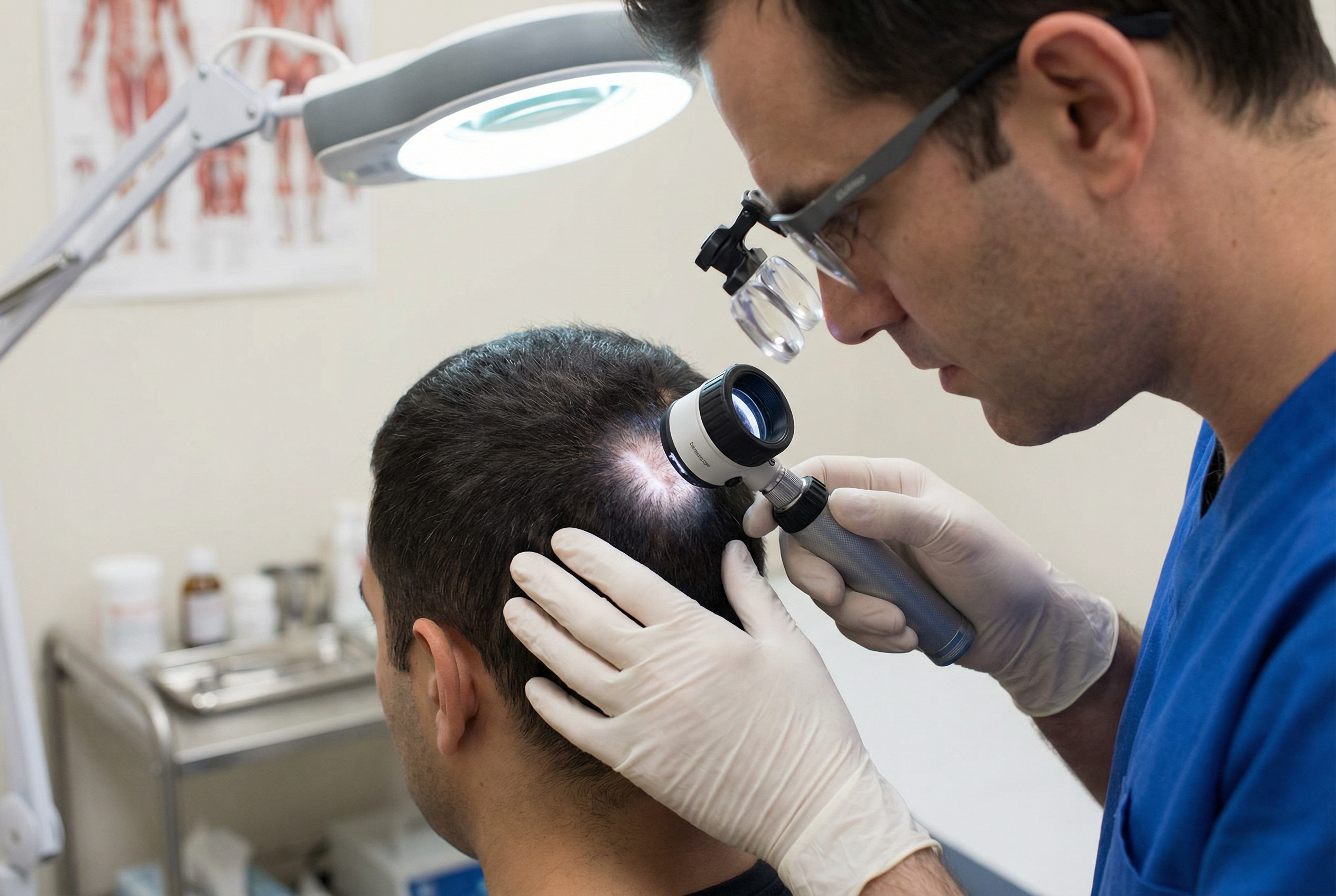
By combining these two treatments, you are not only preventing further loss but also actively encouraging new growth. Many of the most reputable hair transplant surgeons advocate for this dual approach, as it helps to protect the patient's investment and maximize the overall cosmetic result. For more information on what to expect,
- Finasteride: Systemically blocks the production of DHT, addressing the root hormonal cause of hair loss and preventing further follicular damage.
- Minoxidil: Topically stimulates the hair follicles, promoting regrowth and increasing hair density by improving blood flow and nutrient delivery.
By combining these two treatments, you are not only preventing further loss but also actively encouraging new growth. Many of the most reputable hair transplant surgeons advocate for this dual approach, as it helps to protect the patient's investment and maximize the overall cosmetic result. For more information on what to expect,  In addition to Finasteride and Minoxidil, there are several other treatments and supplements that can play a supportive role in a hair restoration journey.
Low-Level Laser Therapy (LLLT): This non-invasive therapy uses red light to stimulate cellular activity in the hair follicles. Some of the most popular devices, such as the iRestore or Capillus laser caps, are cleared by the FDA for hair loss treatment. While clinical evidence is still emerging, some patients report noticeable improvements in hair thickness and a reduction in shedding.
Dutasteride: Similar to Finasteride, Dutasteride is a DHT blocker, but it is significantly more potent. It is sometimes prescribed off-label for hair loss in cases where Finasteride is not effective enough. However, its higher potency also comes with a greater risk of side effects.
Ketoconazole Shampoo: Certain anti-fungal shampoos, like Nizoral, contain ketoconazole, which has been shown to have mild anti-DHT properties when used on the scalp. It can be a useful addition to a hair care routine aimed at reducing hair loss.
Nutritional Supplements: While not a standalone solution for genetic hair loss, certain vitamins and minerals are crucial for healthy hair growth. Ensuring you have adequate levels of biotin, zinc, iron, and vitamin D can support the overall health of your hair. These are best used in conjunction with proven medical treatments. You can find more information on our
In addition to Finasteride and Minoxidil, there are several other treatments and supplements that can play a supportive role in a hair restoration journey.
Low-Level Laser Therapy (LLLT): This non-invasive therapy uses red light to stimulate cellular activity in the hair follicles. Some of the most popular devices, such as the iRestore or Capillus laser caps, are cleared by the FDA for hair loss treatment. While clinical evidence is still emerging, some patients report noticeable improvements in hair thickness and a reduction in shedding.
Dutasteride: Similar to Finasteride, Dutasteride is a DHT blocker, but it is significantly more potent. It is sometimes prescribed off-label for hair loss in cases where Finasteride is not effective enough. However, its higher potency also comes with a greater risk of side effects.
Ketoconazole Shampoo: Certain anti-fungal shampoos, like Nizoral, contain ketoconazole, which has been shown to have mild anti-DHT properties when used on the scalp. It can be a useful addition to a hair care routine aimed at reducing hair loss.
Nutritional Supplements: While not a standalone solution for genetic hair loss, certain vitamins and minerals are crucial for healthy hair growth. Ensuring you have adequate levels of biotin, zinc, iron, and vitamin D can support the overall health of your hair. These are best used in conjunction with proven medical treatments. You can find more information on our